Sri Lanka procurement failures involving Australian cattle and Chinese fertiliser put nearly US$18 million in disputed payments under investigation.
Two Sri Lanka procurement failures involving nearly US$18 million in overseas payments have returned to scrutiny after authorities reopened investigations into the controversial transactions.
The cases involve an Australian dairy-cattle procurement and the disputed Chinese organic fertiliser deal, raising renewed questions over how public money was approved, monitored and protected.
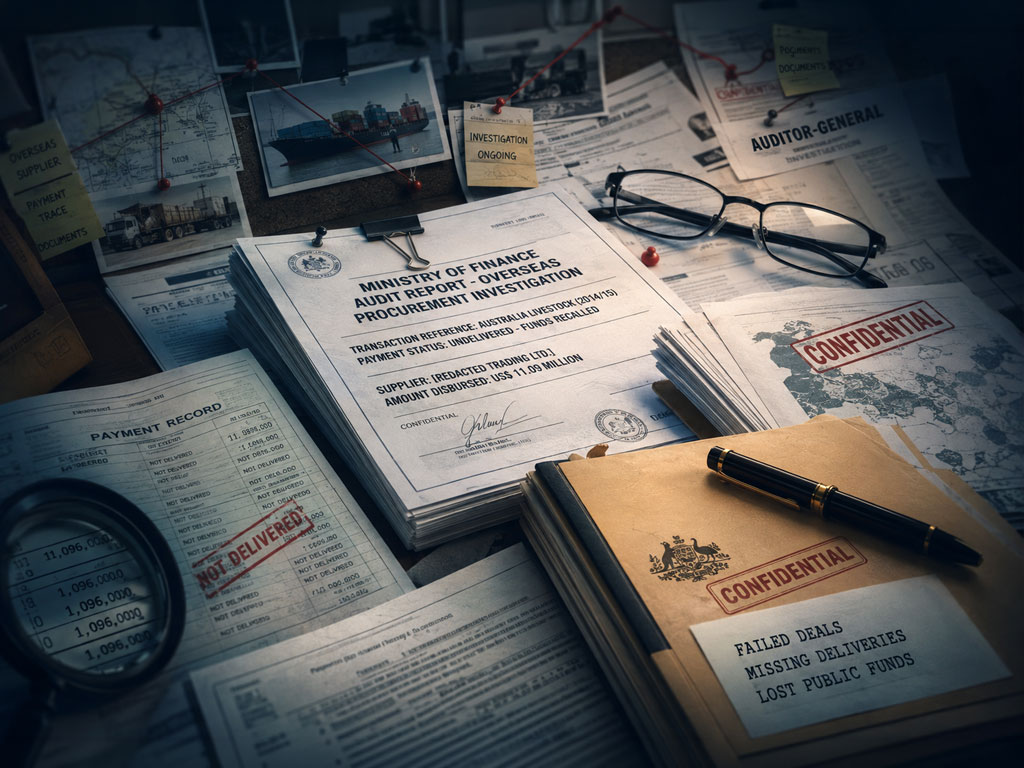
Public Security and Parliamentary Affairs Minister Ananda Wijepala said investigators are examining a US$11.09 million payment made during 2014/15 in connection with plans to procure 20,000 milch cows from Australia. He said authorities are investigating claims that the expected livestock linked to that payment was not received and the funds were lost.
The wider dairy programme dated back to 2012. Sri Lanka later signed an agreement in October 2014 to import another 20,000 cattle. Historical reporting shows that 5,000 dairy heifers were subsequently imported in May 2015, while controversy later emerged over animal health, deaths and project implementation.
Get Breaking News First
on WhatsApp

Sri Lanka Procurement Failures Raise Oversight Questions
The renewed inquiry places attention on the controls surrounding major overseas purchases.
International procurement normally requires supplier verification, enforceable contracts, payment safeguards and close monitoring after funds leave the Treasury.
Wijepala also said no previous investigation had examined the specific transaction now under scrutiny. If confirmed, that would raise additional questions about institutional accountability and why concerns were not investigated earlier.
The cattle programme was intended to strengthen domestic milk production and reduce Sri Lanka’s dependence on imported dairy products. Instead, implementation problems turned the project into a long-running financial and agricultural controversy.
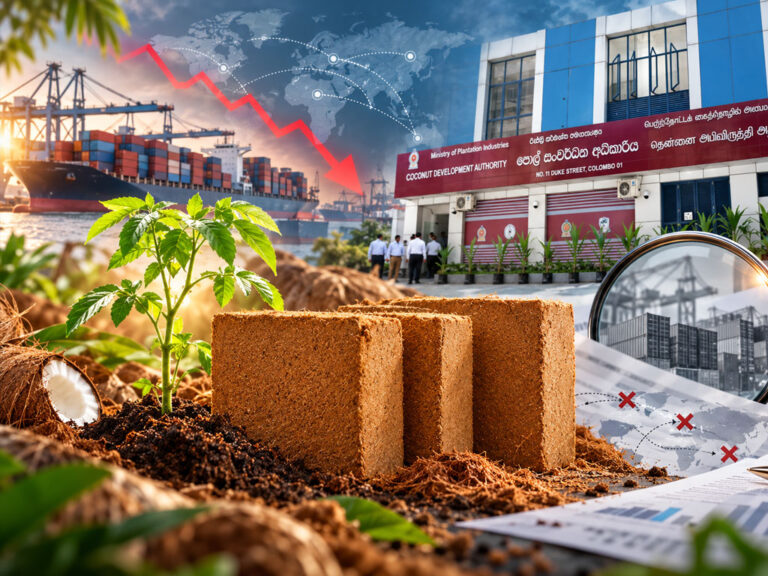
A separate investigation concerns approximately US$6.7 million paid following the dispute over organic fertiliser supplied by China’s Qingdao Seawin Biotech Group.
Sri Lanka rejected the 20,000-tonne consignment after local testing raised biosecurity concerns. The Government later agreed to pay roughly US$6.7 million to the Chinese supplier despite the cargo not being accepted into the country.
Questions Over Payments and Accountability
Together, the cases highlight the risks surrounding Sri Lanka procurement failures involving large foreign-currency payments.
Investigators must now determine who authorised the transactions, what due diligence took place and whether officials adequately protected state resources.
For taxpayers, the inquiries go beyond two historical deals. They raise wider questions about transparency, accountability and whether Sri Lanka’s procurement system can prevent similar losses.
The investigations could ultimately determine individual responsibility while also exposing weaknesses that require stronger payment controls, contract enforcement and oversight of future overseas purchases.