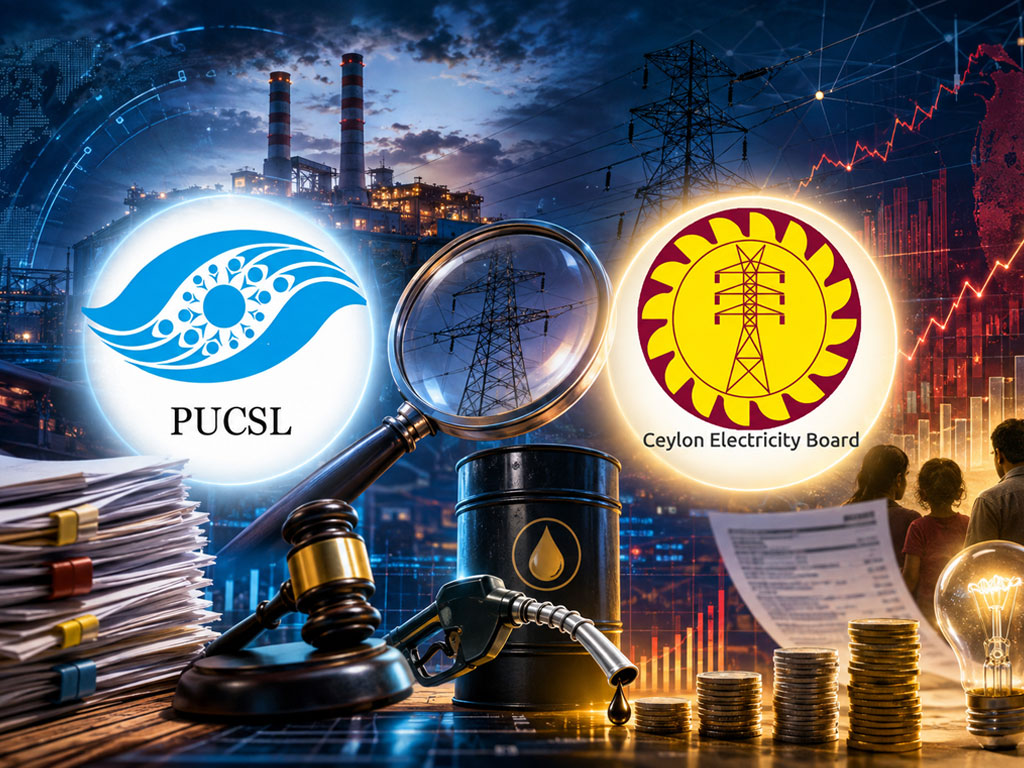
EGL fuel cost crisis faces a PUCSL public inquiry over disputed generation costs, coal quality, procurement concerns and possible tariff impacts.
The EGL fuel cost crisis has come under intense regulatory scrutiny, with the Public Utilities Commission of Sri Lanka scheduling a formal public inquiry for September 4.
The inquiry will examine disputed cost data submitted by state-owned Electricity Generation Lanka (Pvt) Ltd, or EGL, amid continuing reforms in Sri Lanka’s electricity sector.
In March 2026, six independent companies were created as part of restructuring that ended the Ceylon Electricity Board’s 56-year monopoly.
The reforms were intended to improve transparency and financial stability.
However, concerns have since emerged over generation cost submissions made by EGL. The figures have reportedly raised questions because they do not correspond with global fuel prices or local supply costs.
These disputed submissions have complicated the regulator’s task of calculating the actual cost of electricity generation per unit.
President’s Counsel Chandana Liyanapatabendi will lead the public inquiry. It is expected to examine EGL’s actual expenditure, transactions and dealings with relevant fuel suppliers.

EGL Fuel Cost Crisis Linked to Procurement Concerns
The controversy extends beyond accounting discrepancies.
Questions have also been raised over procurement practices in the energy sector, particularly coal supplied to the Lakvijaya Power Plant.
The reported concerns involve coal imported through companies including Trident Chemphar and Taranjot Resources.
According to the information cited, some consignments allegedly failed to meet the required thermal capacity of 6,150 kcal/kg.
Lower-quality coal is said to have reduced plant efficiency. Consequently, thermal generation reportedly depended more heavily on costly diesel and Heavy Fuel Oil.
The resulting financial impact on EGL has been estimated at Rs. 5.68 billion over four months.
A major concern is whether those additional costs could ultimately be transferred to electricity consumers.
The National System Operator has submitted a generation cost deficit of Rs. 38 billion.
If that entire amount were reflected directly in tariffs, electricity bills could increase by approximately 18%.
A Government subsidy of Rs. 15 billion has helped reduce some of the immediate burden.
However, the PUCSL has decided that the reported Rs. 5.68 billion loss associated with substandard coal should not be passed on through electricity tariffs.
That decision offers some protection to consumers while regulators examine how the costs arose.
Agreements, NSO Scrutiny and Renewable Energy Target
Concerns have also been raised about delays in finalising transparent fuel supply agreements and power purchase agreements.
The Commission has moved toward legal action against the National System Operator over alleged failures to comply with regulatory directions on transparency.
That action is being viewed as part of a broader attempt to impose greater financial discipline on the restructured electricity sector.
The EGL fuel cost crisis also highlights Sri Lanka’s continuing dependence on thermal power generation.
The report argues that regulation alone cannot resolve the underlying structural weaknesses while the country remains heavily exposed to imported fuel costs.
Sri Lanka has set a target of generating 70% of its electricity from renewable energy by 2030.
Against that backdrop, the September 4 public inquiry could become a significant test of whether electricity-sector reform can prevent inefficiencies, procurement failures and disputed generation costs from being transferred to consumers.
The inquiry will therefore carry consequences not only for EGL and the NSO, but also for future tariff calculations and public confidence in electricity-sector governance.
Sources cited: Public Utilities Commission of Sri Lanka, The Sunday Times reports and relevant sector research data.