Sri Lanka electricity tariffs could rise again after concessionary fuel pricing ended and naphtha and furnace oil prices increased sharply.
Sri Lanka electricity tariffs could face another increase after concessionary fuel pricing for electricity generation ended and the cost of key petroleum products rose sharply.
Reports indicate that the suspension of fuel concessions and higher prices have created fresh pressure on electricity generation costs.
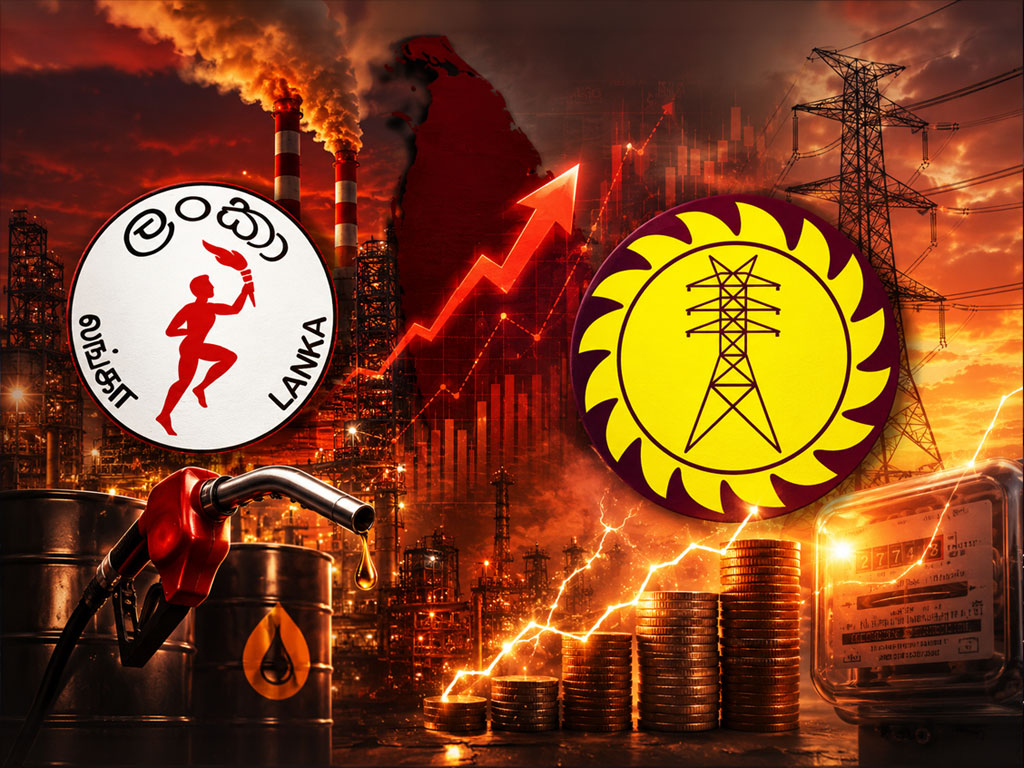
The Ceylon Petroleum Corporation has increased the prices of naphtha and Heavy Fuel Oil by approximately 20%. It has also ended the concessionary pricing arrangement previously offered to the electricity sector.

Corporation Managing Director Mayura Nettikumara said furnace oil increased from Rs. 210 to Rs. 248 per litre.
Meanwhile, the price of naphtha increased from Rs. 174 to Rs. 210 per litre.
The Corporation has informed the National System Operator that the fixed-price fuel arrangement reached on April 18, 2026, has expired.
That agreement provided fuel at fixed prices for three months to help maintain stable Sri Lanka electricity tariffs.
The latest increases will directly raise generation costs at major thermal power stations, including Kelanitissa, Sapugaskanda and Yugadanavi.
National System Operator Chairman Pradeep Perera said the tariff revision proposal covering the October to December quarter will be submitted to the Public Utilities Commission of Sri Lanka on September 4.
He said the higher costs caused by the end of the Government fuel concession will have to be considered when preparing the tariff proposal.
As a result, renewed pressure on Sri Lanka electricity tariffs could emerge when regulators assess generation expenses for the coming quarter.
Meanwhile, the Government is considering a subsidy for petrol and diesel as global oil prices increase.
However, authorities have not yet reached a final decision on whether similar support will be provided for fuel used in electricity generation.
The outcome of that decision could therefore become an important factor in determining whether consumers face another electricity tariff adjustment.