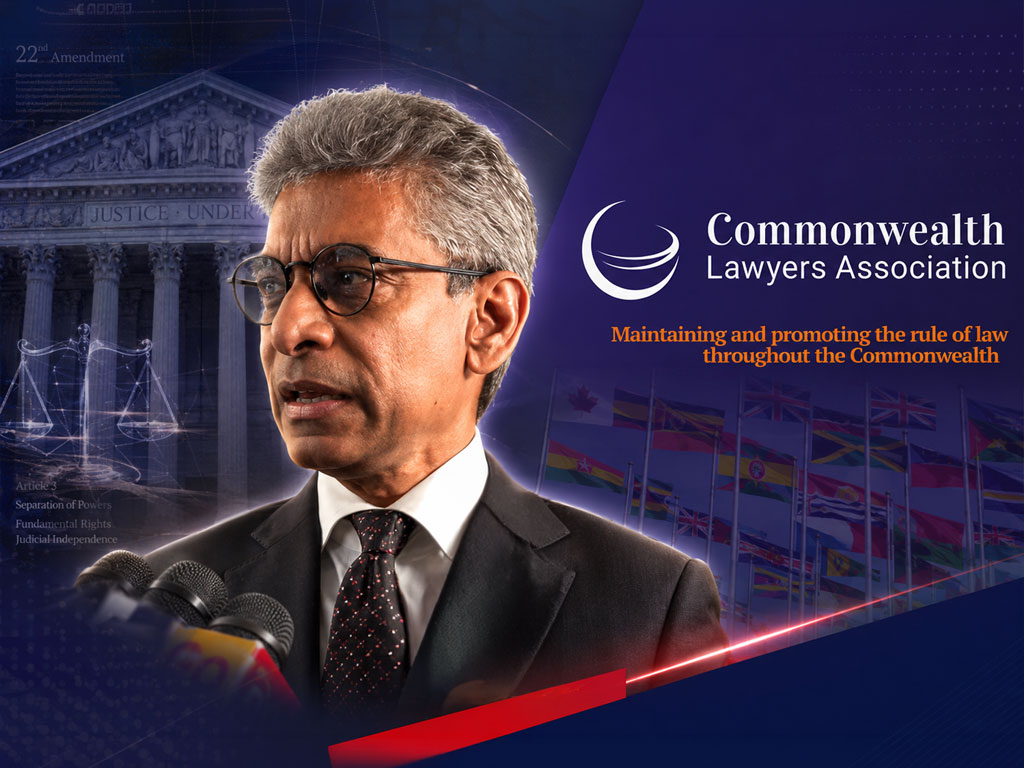
22nd Amendment hearing draws concern from Commonwealth Lawyers Association President Stephen Thero over oral reply rights and bench composition.
The 22nd Amendment hearing has drawn concern from Commonwealth Lawyers Association President Stephen Thero, who observed the proceedings and later commented on several aspects of the case.
Thero had travelled to Sri Lanka to observe the hearing of petitions challenging the 22nd Amendment to the Constitution Bill.
He said the judges showed considerable patience throughout the proceedings and gave lawyers sufficient time to present their arguments.
However, he expressed concern over how the hearing was brought to an end.

22nd Amendment Hearing Raises Right of Reply Issue
Thero said it was unfortunate that lawyers appearing for the petitioners were not given an opportunity to reply orally.
Instead, the court directed them to submit any further arguments in writing.
“In most judicial systems, the right to reply orally is consistently given in such important cases. This is not something that normally happens,” he said.
He also questioned why the case was not heard by a full bench or by a bench comprising the most senior judges of the Supreme Court.
Thero noted that the Chief Justice sat on the bench. However, he said concern had arisen among legal professionals because other senior-most judges were not part of the hearing.
He added that, in major constitutional cases of this nature, it is common for the four most senior judicial officers to sit on the bench.
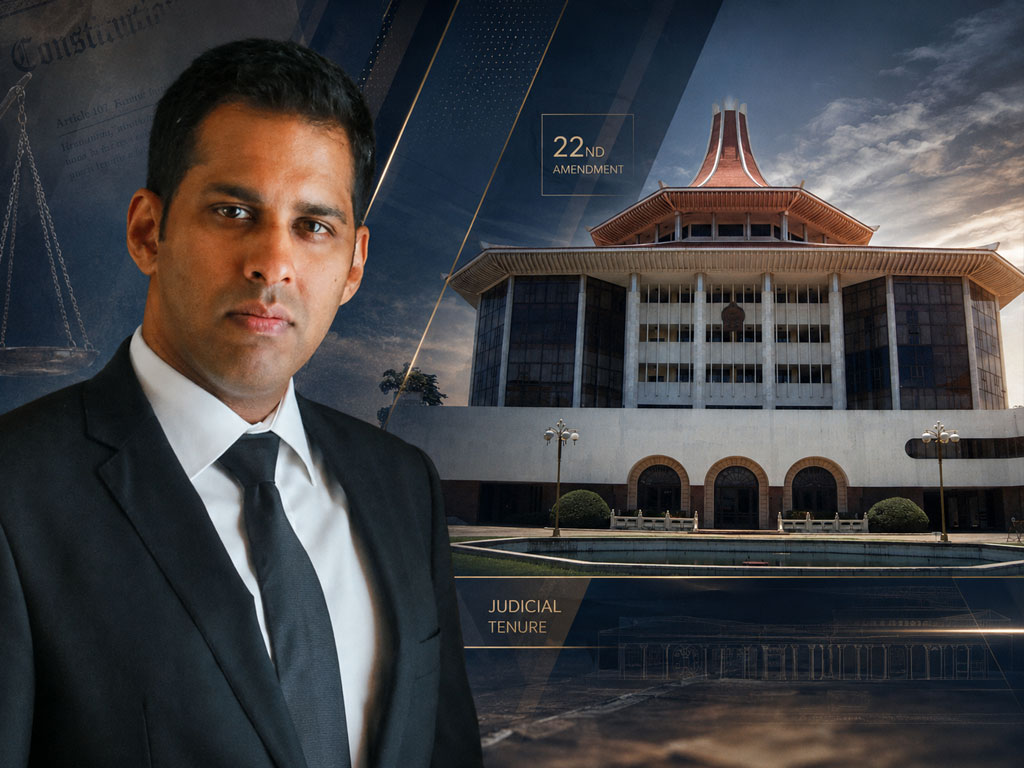
Constitutional Threat! Top Lawyer Reveals Judges’ Term Extension Risk
Judges retirement age changes face Supreme Court scrutiny as Eraj de Silva PC argues they could affect judicial independence and require a referendum.
The Morning Telegraph • September 2, 2026 • 8 min readJudicial Independence and Public Confidence
Thero also stressed the wider importance of judicial independence.
He described an independent judiciary as the final safeguard available to citizens when confronting the power of government.
“If for any reason the independence of the judiciary is damaged, it takes years to recover from it. In such countries, there is no public trust in the judiciary,” he said.
He argued that the impact of the 22nd Amendment hearing should therefore also be assessed in terms of public confidence.
According to Thero, attention must be given to whether the proceedings strengthened or weakened trust in the judiciary.
He said safeguarding that confidence is a responsibility shared by legal professionals and international organisations.
His observations have added an international perspective to the debate over the manner in which the constitutional petitions were heard, particularly concerning the right of oral reply, the composition of the bench and the broader issue of judicial independence.