Filgrastim vaccine shortage raises alarm as a Rs.250 million stock remains unreleased, while doctors warn cancer patients face serious risks.
The Filgrastim vaccine shortage has triggered fresh concern over cancer treatment in Sri Lanka, with doctors questioning why a stock worth more than Rs. 250 million remains unreleased.
The Alliance of Medical and Civil Rights Trade Unions of Doctors says it suspects that the continued withholding of the Filgrastim, or G-CSF, stock may be part of an attempt to embarrass the current government.
The vaccines are considered essential for many cancer patients.
Alliance Chairman Specialist Dr. Chamal Sanjeewa said the medicines remain in storage because of what authorities describe as technical and regulatory issues.
He questioned why the National Medicines Regulatory Authority has refused to permit their use over the absence of a label on the back of the vaccine vial.

Filgrastim Vaccine Shortage and the Labelling Dispute
Dr. Sanjeewa argued that the labelling issue should be addressed through a practical solution rather than allowing the medicine to remain unused.
He questioned whether there was any hidden influence behind the failure to import the required labels from China and affix them under proper supervision.
He also asked why authorities could not make the medicine available to patients following approval from relevant expert committees.
These claims and suspicions remain allegations raised by Dr. Sanjeewa and have not been independently established.
According to him, the Health Minister has made a positive intervention to resolve the crisis.
However, he said many cancer patients continue to face serious difficulties because the Medical Supplies Unit has refused to accept the stock, citing alleged violations of National Medicines Regulatory Authority guidelines.
Dr. Sanjeewa said the medicine stock is worth more than Rs. 250 million.
He also stated that it was imported at a foreign exchange cost of nearly US$ 500,000.
Allowing such a stock to expire or be destroyed without use would amount to a serious national loss, he argued.
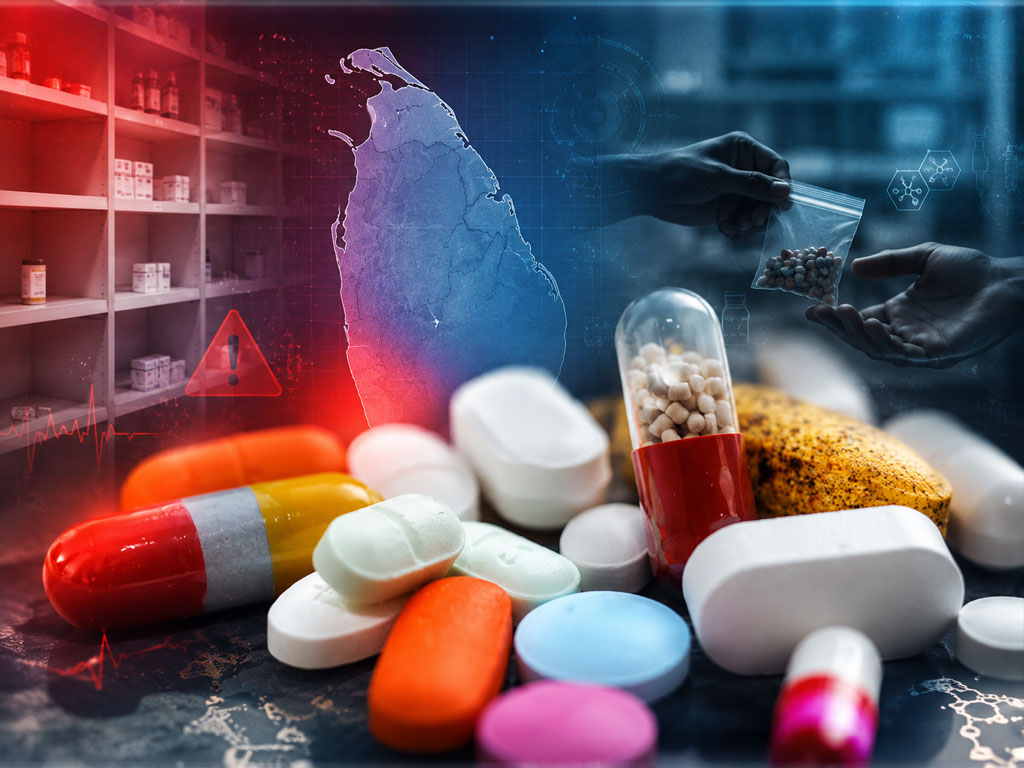
Sri Lanka Medicine Shortage Hits Over 40 Essential Drugs
Doctors warn that shortages affecting more than 40 essential medicines are putting patients at risk while approval delays and black market sales raise concern.
The Morning Telegraph • August 1, 2026 • 3 min readClaims of Wider Cancer Drug Shortages
Dr. Sanjeewa further claimed that around 40 types of cancer medicines are currently in short supply in Sri Lanka.
He alleged that individuals exploiting the shortage are selling medicines brought into the country through illegal channels at extremely high prices.
He also questioned whether the regulatory authority is sufficiently active in investigating such alleged trafficking.
At the same time, he claimed that properly registered and legally imported medicines could be facing obstacles due to the interests of competing companies.
Those allegations have not been independently verified and no wrongdoing has been established against any company or regulator.
The doctor argued that repeated problems within institutions under the Ministry of Health require stronger administrative action.
He called on the President to remove officials whom he described as responsible for current failures and who, according to him, were appointed during previous administrations.
Dr. Sanjeewa said the Alliance of Medical and Civil Rights Trade Unions of Doctors is prepared to cooperate fully with the Health Minister in seeking solutions to the existing healthcare crisis.
The Filgrastim vaccine shortage therefore remains not only a regulatory dispute but also an urgent patient-care issue.
With a high-value stock reportedly sitting unused while cancer patients face treatment uncertainty, the central question is whether authorities can resolve the labelling and regulatory concerns before the medicines are wasted.