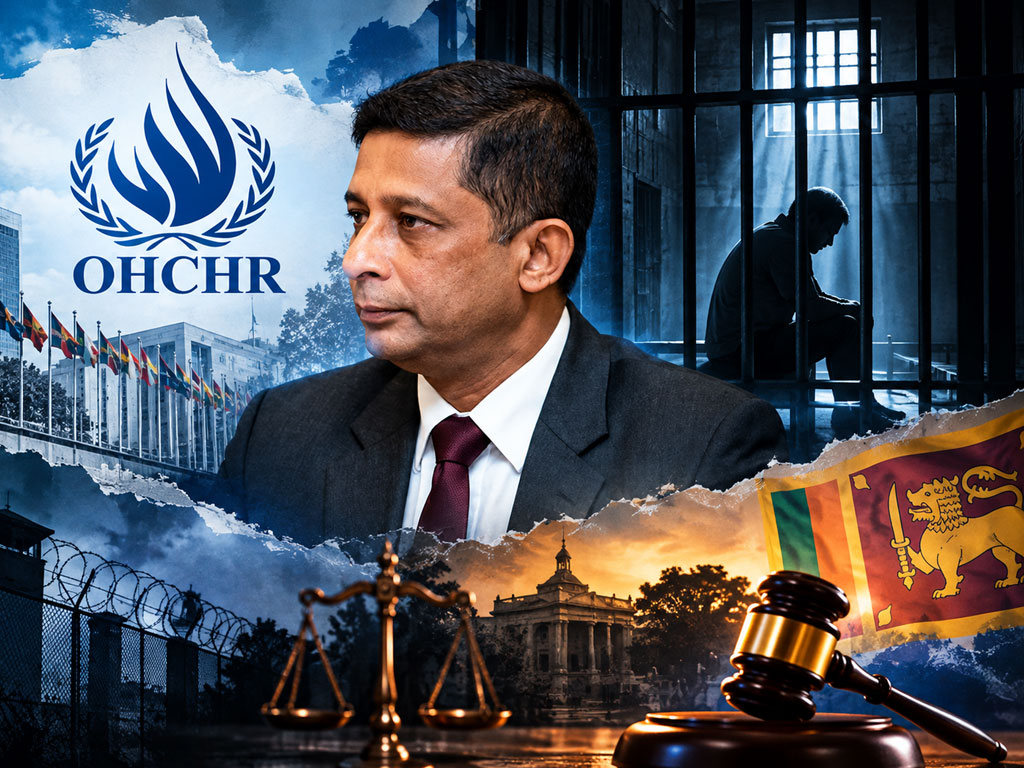
A Suresh Sallay UN letter raises concerns over his detention under Sri Lanka’s PTA, alleged mistreatment, medical care and access to lawyers.
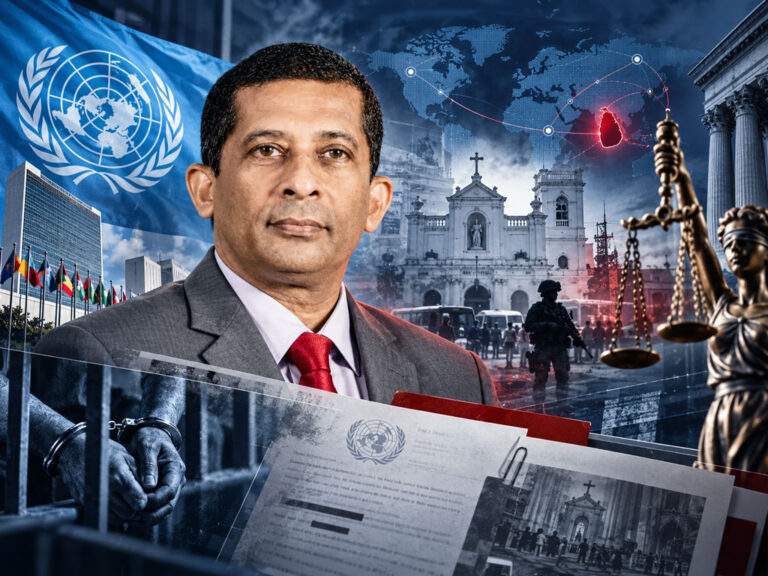
COLOMBO — United Nations human rights experts have raised concerns with the Sri Lankan government over the detention and treatment of former State Intelligence Service Director and Military Intelligence chief, retired Major General Suresh Sallay, who was arrested in connection with investigations into the 2019 Easter Sunday terrorist attacks.
A communication registered as LKA 2/2026 under the UN Human Rights Council’s Special Procedures mechanism addresses allegations of arbitrary detention, torture, deteriorating health and restrictions affecting Sallay’s legal rights.
The intervention brings international scrutiny to the conditions of his detention under the Prevention of Terrorism Act (PTA), while the investigation into the Easter Sunday attacks continues.
Sallay was arrested on February 25, 2026, and initially detained under a 90-day order. His detention has since been extended, with another 90-day order issued on August 25.

Questions Over Detention and Investigative Independence
The concerns outlined in the UN communication include allegations that Sallay’s detention is arbitrary and that he has suffered torture or other cruel, inhuman or degrading treatment while in custody.
His representatives have also questioned the evidence supporting his detention, reportedly citing material indicating that he was serving abroad during the period relevant to certain allegations.
The source account further claims that a Presidential Commission of Inquiry examining the Easter Sunday attacks made adverse findings concerning two senior officers involved in the investigation against Sallay.
According to that account, recommendations for prosecution against those officers create concerns about the independence and impartiality of the present investigation.
These assertions require examination against the commission’s findings and the responsibilities of the officers concerned. They do not independently establish misconduct or a personal vendetta.
Sri Lankan authorities have maintained that the investigation is supported by evidence. Public Security Minister Ananda Wijepala previously rejected allegations that Sallay had been tortured or subjected to inhumane treatment.
Allegations Concerning Detention Conditions
The source account describes Sallay’s detention conditions as inconsistent with international human rights standards, including the United Nations Standard Minimum Rules for the Treatment of Prisoners, commonly known as the Nelson Mandela Rules.
It alleges that he was confined in a cell measuring approximately 6.5 feet by 4.4 feet, exposed to rats and continuous artificial lighting, and subjected to humiliating searches involving forced nudity.
These allegations are presented as concerns requiring independent investigation rather than established findings of torture.
The account also refers to assessments by a Judicial Medical Officer and a judicial psychiatrist, alleging that Sallay exhibited symptoms of post-traumatic stress disorder (PTSD) and other indicators consistent with ill-treatment.
It further states that he was admitted to the cardiac intensive care unit of the National Hospital in Colombo.
Concerns have also been raised about access to appropriate medical treatment and opportunities for confidential consultation with his lawyers.
Such safeguards are relevant regardless of the allegations under investigation. Medical findings, detention conditions and access to legal representation require examination through the appropriate judicial and independent oversight mechanisms.
Renewed Scrutiny of the Prevention of Terrorism Act
The UN intervention also draws attention to longstanding concerns surrounding detention powers under the PTA.
The source account states that the UN has called for the suspension of the Act’s use pending reform.
Sallay has separately challenged his arrest and detention before the Court of Appeal. The court is scheduled to announce on November 27 whether it will grant leave to proceed with his writ petition and whether interim relief should be issued.
The allegations concerning his treatment remain distinct from the criminal investigation into the Easter Sunday attacks. Neither the UN communication nor the reported medical concerns determine his criminal responsibility.
The questions now requiring resolution concern the legal basis for his continued detention, the treatment he has received in custody and the safeguards available while investigators pursue the case.