By Dwayne Ferreira
European supermarket cyberattacks disrupt refrigeration systems in 11 countries, forcing retailers to discard food and investigate security failures.
BRUSSELS – Cyberattacks targeting supermarket refrigeration systems have disrupted food retailers across at least 11 European countries, forcing stores to discard perishable products and prompting an international investigation into vulnerabilities in remotely controlled cooling equipment.
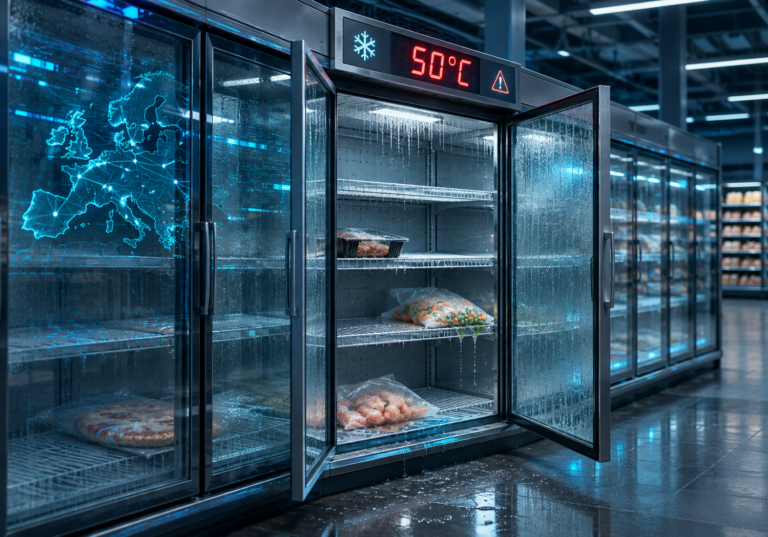
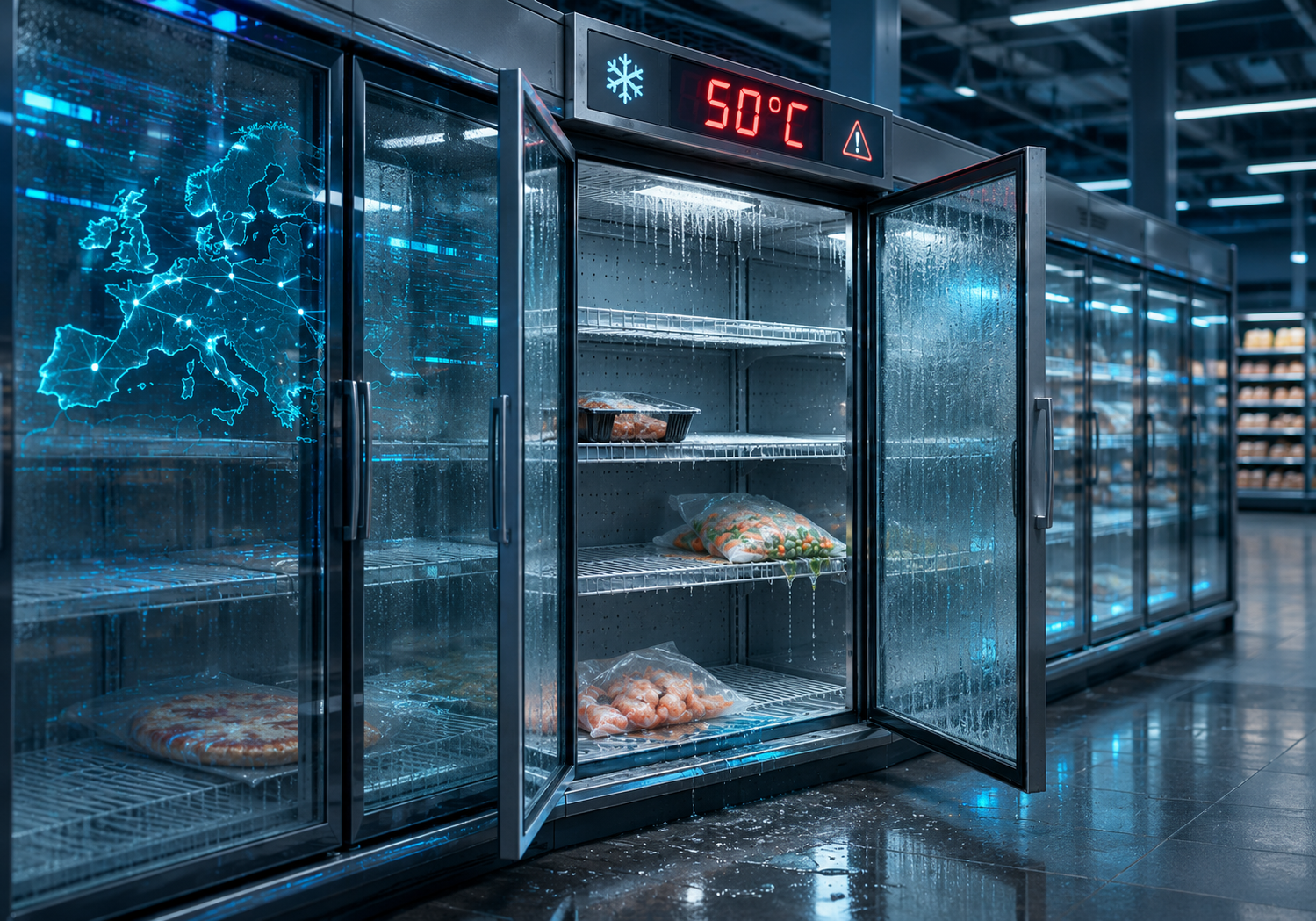
The attacks, which emerged on Monday, 2 November, caused temperatures in refrigerated displays and freezer units to rise unexpectedly. In some reported cases, temperatures were manipulated to reach 50 degrees Celsius, rendering stored food unsafe for sale.
Belgium, Sweden, Ireland, Luxembourg, Estonia, Finland, Italy, the Netherlands and Portugal were among the countries initially affected. Germany, Romania and the United Kingdom subsequently reported incidents, according to international news agency AFP.

The disruption has affected several major supermarket operators, including Carrefour, Delhaize, ICA and Coop.
Swedish retailers reported problems at several outlets, while Ireland’s Musgrave Group confirmed refrigeration difficulties at 13 SuperValu stores. Products were removed as a precaution, although the company subsequently reported that the affected systems had been restored.
In Belgium, dozens of stores experienced refrigeration failures. Some operators were forced to remove substantial quantities of chilled and frozen food while technicians worked to restore safe operating temperatures.
A Second Wave of Attacks
The latest incidents followed a similar cyberattack in France approximately three weeks earlier, when hackers reportedly gained access to internet-connected refrigeration controllers used by hundreds of food retailers.
Investigators believe weaknesses in older technology and inadequately secured remote-management systems may have enabled the interference.
Modern commercial refrigeration equipment frequently allows technicians to monitor temperatures, modify operating parameters and identify faults remotely.
Although these capabilities improve efficiency and maintenance, equipment exposed to the internet without adequate security protections can provide an entry point for attackers.
Reuters reported that some affected businesses were disconnecting refrigeration systems from the internet while upgrading software and replacing vulnerable equipment.
Swedish supermarket operator Coop also outlined plans to modernise communications equipment associated with its refrigerated displays.
European Authorities Investigate
The European Union has warned that the incidents represent a threat to food supply chains.
Italy convened emergency discussions involving government officials, cybersecurity authorities and intelligence representatives.
Belgian federal prosecutors also opened an investigation into the attacks.
Despite their geographical spread, investigators have not established who was responsible or whether every incident was coordinated by the same group.
No organisation had publicly claimed responsibility in the reporting available by 3 November.
Romania’s cybersecurity authorities cautioned against prematurely attributing the incidents to a foreign government.
Implications for Food Security
The attacks demonstrate how interference with relatively ordinary commercial equipment can produce substantial financial losses without compromising traditional banking or payment systems.
Food retailers depend on uninterrupted refrigeration to preserve meat, dairy products, frozen goods and other temperature-sensitive stock.
Even temporary failures can require businesses to discard entire product inventories.
The incidents also have implications beyond supermarkets. Hospitals, pharmaceutical distributors, cold-storage warehouses and food-processing facilities increasingly rely on digitally monitored temperature-control systems.
For Sri Lanka, where imported food products, medical supplies and commercial cold-storage operations depend on reliable refrigeration, the European incidents provide a reason to assess the security of connected equipment. There is no verified evidence in the reporting reviewed that Sri Lankan systems have been compromised.
European investigators are continuing to examine the attacks, while retailers and cybersecurity agencies work to identify vulnerable systems and prevent further disruption.