Tamil political tensions resurface as ITAK denies involvement in efforts to embed Thimphu principles into Sri Lanka’s proposed new Constitution.
The Illankai Thamil Arasu Kadchi has clarified that it was not part of a recent initiative led by the Tamil National Council to revive the 1985 Thimphu principles as a basis for constitutional reform discussions with the NPP Government.

Clarification From ITAK Leadership
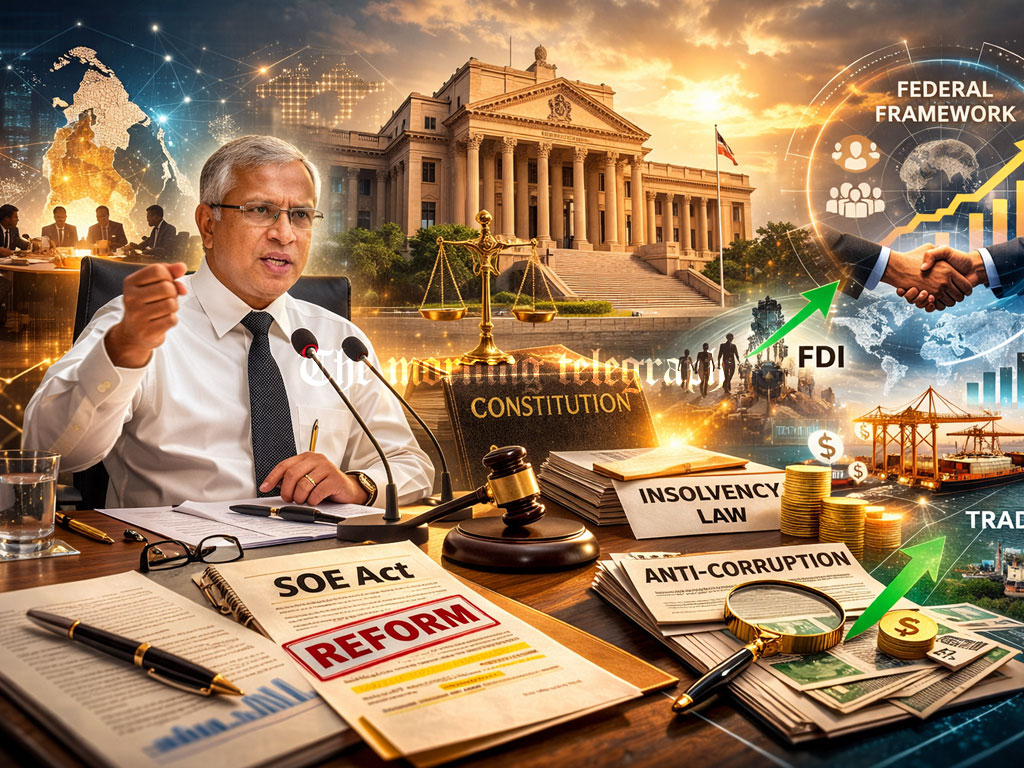
The issue surfaced following a meeting in Jaffna attended by Gajendrakumar Ponnambalam, where the Tamil National Council reportedly discussed incorporating Thimphu principles into proposals for the promised new Constitution. The Council is of the view that these principles should guide the drafting process to facilitate a federal political structure.
Responding to queries, senior ITAK spokesperson M. A. Sumanthiran, PC, stated that his party did not participate in the discussion. He emphasized that ITAK was not party to the move aimed at reintroducing the Thimphu framework into current constitutional deliberations.
Background to the Thimphu Principles
The Thimphu talks in 1985 involved Tamil militant groups, including the LTTE, which advanced demands such as recognition of Tamils as a distinct nation, acknowledgment of a traditional Tamil homeland, the right to self-determination, and guarantees of citizenship and fundamental rights.
The Democratic Tamil National Alliance, affiliated with the Tamil National Council and connected to ITAK, also did not attend the 15 February discussions where consensus was reportedly reached to pursue the Thimphu initiative. Formed in 2008 to contest Provincial Council elections in the East, the alliance includes parties such as PLOTE and TELO.
Sources indicate that many northern political parties favor replacing the unitary status with a federal structure. Meanwhile, JVP General Secretary Tilvin Silva recently confirmed that preliminary work on drafting a new Constitution is underway.