A growing controversy unfolds as Sri Lanka’s CID questions a journalist over an energy crisis report, triggering serious concerns about media freedom, censorship, and the limits of free expression in the country.
A press release issued by the Free Media Movement has brought renewed attention to concerns surrounding press freedom in Sri Lanka.
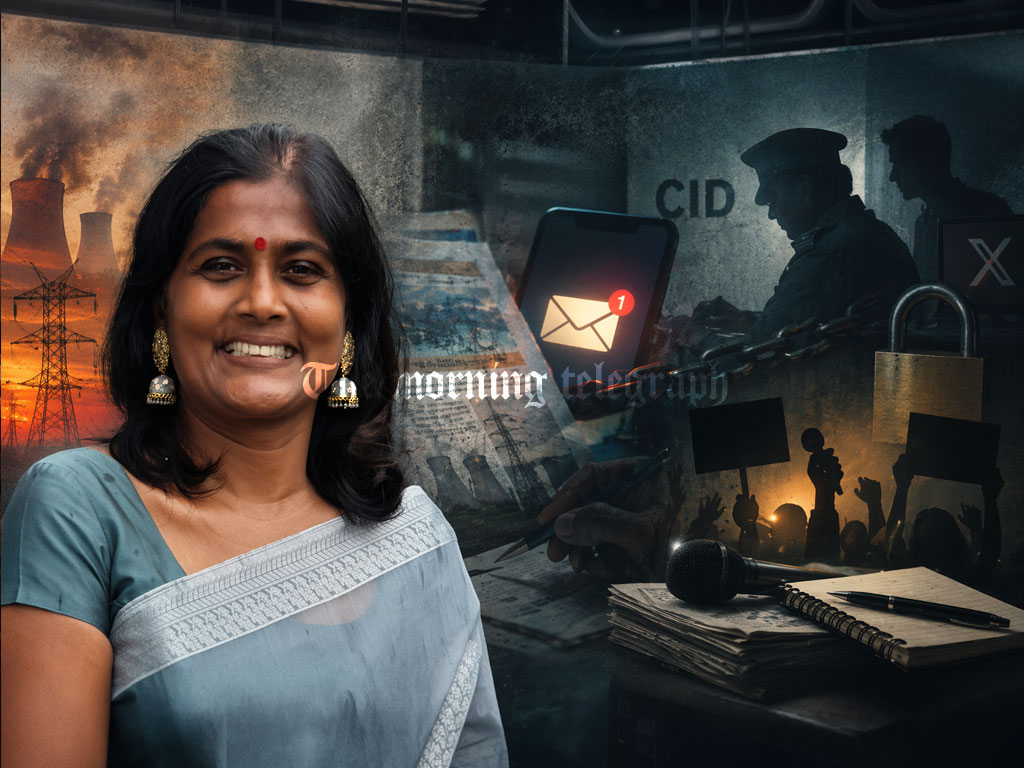
Journalist Sulochana Ramaiya Mohan has reportedly come under scrutiny from the Criminal Investigation Department after sharing her published article on social media platform X.

According to reports, the CID has made inquiries regarding her account activity following the circulation of her article, which originally appeared in the Ceylon Today newspaper.
The journalist was also notified by the platform X through an official email regarding the inquiry initiated by Sri Lankan authorities.
The communication indicates that the CID’s interest is linked to the article titled “Govt seeks time to address power ministry issue,” which focused on the country’s ongoing energy crisis.
Authorities have reportedly claimed that the content of the article may contain elements that violate Sri Lankan law, though no specific details have been publicly disclosed.
The Free Media Movement has independently reviewed the article in question and has stated that it found no unlawful or illegal content either in the original newspaper publication or in the version shared online.
This has raised questions about the true motivation behind the CID’s request to the social media company, including whether there were attempts to remove the content or restrict access to the journalist’s account.
The organization has expressed concern that the situation may represent a troubling example of undue interference in freedom of expression and independent journalism.
It further noted that the lack of clarity surrounding the investigation adds to concerns about transparency and accountability in handling such matters.
The Free Media Movement has indicated that it is taking steps to notify relevant stakeholders both within Sri Lanka and internationally, highlighting the seriousness of the situation.
Further inquiries are also being conducted to better understand the implications of the incident and the broader impact on media freedom in the country.
Additionally, the organization has examined whether journalist Sulochana Ramaiya Mohan may face any personal or professional risk due to her reporting on the energy crisis, an issue that has already been associated with allegations of corruption.
The case continues to draw attention as observers monitor developments closely, particularly in the context of safeguarding journalistic independence and protecting the right to report on matters of public interest.