Sri Lanka tax revenue reforms intensify as President AKD pushes to widen the tax net, boost compliance, and recover arrears under IMF pressure.
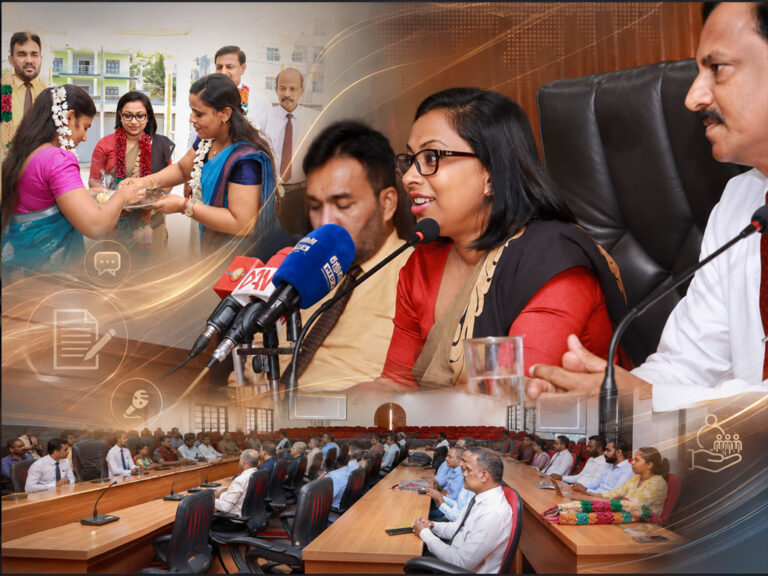
Sri Lanka tax revenue discussions took center stage as President Anura Kumara Dissanayake met top Inland Revenue officials to expand the tax base, increase compliance, and recover unpaid taxes, signaling a critical phase in the country’s economic recovery.
The high level meeting, confirmed by the President’s Media Division, focused on strengthening Sri Lanka tax revenue systems at a time when the government is under pressure to meet ambitious IMF backed fiscal targets. The discussions come as the country attempts to stabilize its economy following the 2022 financial collapse.

Revenue Strategy and Policy Direction
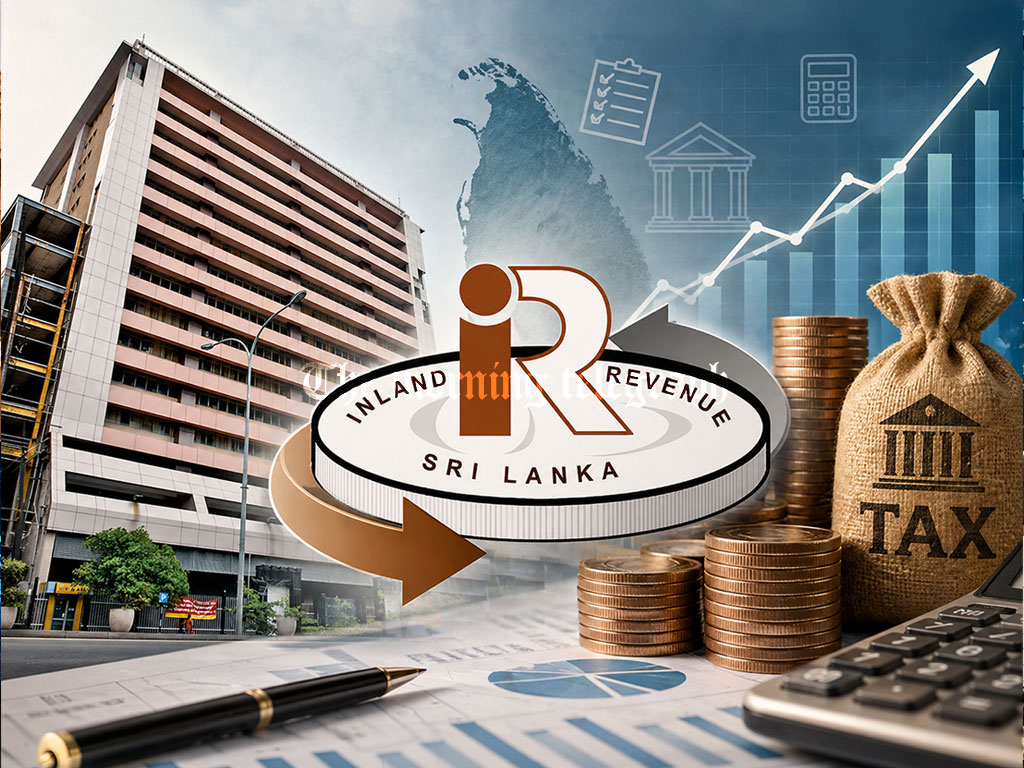
Officials reviewed key programmes aimed at improving the efficiency of the Inland Revenue Department while expanding the tax net Sri Lanka has been aggressively pursuing over the past three years.
The focus was on increasing tax compliance and recovering long standing tax arrears that continue to impact government finances. Authorities also explored ways to improve institutional capacity through structural reforms.
Digital transformation emerged as a central theme, with extensive discussions on modernizing systems to support long term revenue growth and improve transparency in tax administration.
Digitalisation and E Invoicing Push
A major highlight of the meeting was the progress of the national e invoicing system, which is expected to play a key role in improving compliance and reducing tax leakages.
President Dissanayake instructed officials to ensure the project is completed within the stipulated timeframe, underscoring the urgency of implementing digital tax systems in Sri Lanka.
This shift towards digitalisation is seen as essential to improving Inland Revenue Department Sri Lanka operations and aligning with global tax administration standards.
IMF Pressure and Revenue Targets
Sri Lanka tax revenue reforms are closely tied to commitments under the IMF Extended Fund Facility programme. These reforms are designed to restore debt sustainability and strengthen fiscal discipline.
Since the 2022 economic crisis, Sri Lanka has moved from a low tax environment to one of the most aggressive fiscal consolidation efforts in its history.
Tax collection has nearly doubled over the past three years, reflecting both policy changes and stronger enforcement mechanisms.
The government’s Fiscal Strategy Statement for 2026 aims to increase total revenue to over 15 percent of GDP, a level not seen in more than 15 years.
In absolute terms, tax revenue is projected to reach approximately 16.8 billion US dollars by the end of 2025, marking a significant milestone in the country’s recovery journey.
Expanding the Tax Net Sri Lanka
To meet these targets, the government has introduced several measures to bring more individuals and businesses into the formal tax system.
The tax free threshold was significantly reduced in 2023, while progressive tax rates ranging from 6 percent to 36 percent were introduced.
This move resulted in a sharp increase in the number of registered taxpayers, effectively tripling registrations within a year.
The Inland Revenue Department has also mandated electronic filing for most taxpayers, although senior citizens were given flexibility to continue manual filing as of April 2025.
New Laws and Compliance Measures
Recent legislative changes have focused on strengthening tax compliance Sri Lanka and closing loopholes in the system.
The Inland Revenue Amendment Act of 2026 expanded withholding tax coverage to include independent service providers such as social media specialists, brand ambassadors, therapists, and event photographers.
This ensures that the growing gig economy is now captured within the formal tax structure.
At the same time, the Value Added Tax rate was increased to 18 percent, while the Simplified VAT system was abolished in October 2025 to streamline tax collection processes.
Why This Matters
Sri Lanka tax revenue growth is critical for economic stability, especially as the country continues to rebuild after its financial crisis.
However, questions remain about the impact of these aggressive tax policies on middle income earners and small businesses.
This raises concerns about balancing fiscal consolidation with economic recovery and public sentiment.
What Happens Next
As Sri Lanka continues to push forward with its tax reforms, the success of digital systems like e invoicing and stricter compliance measures will be closely monitored.
The government’s ability to recover tax arrears and sustain revenue growth will be crucial in meeting IMF targets and ensuring long term financial stability.
What happens next could be critical in determining whether Sri Lanka’s tax overhaul strengthens the economy or creates new pressures on citizens already facing economic challenges.