The JVP-NPP government is desperately fighting to rescue its public image as a wave of corruption scandals and a relentless Opposition campaign threaten its core promise of good governance. While leaders express confidence that they can regain control and outmaneuver their rivals, the political pressure is reaching a breaking point.
Insiders suggest the administration may soon resort to high-profile arrests of Opposition figures to pivot public attention away from its own controversies. Amidst this tension, a failed pledge regarding the Black Bridge in Peradeniya has become a haunting metaphor for the current JVP-NPP government crisis.
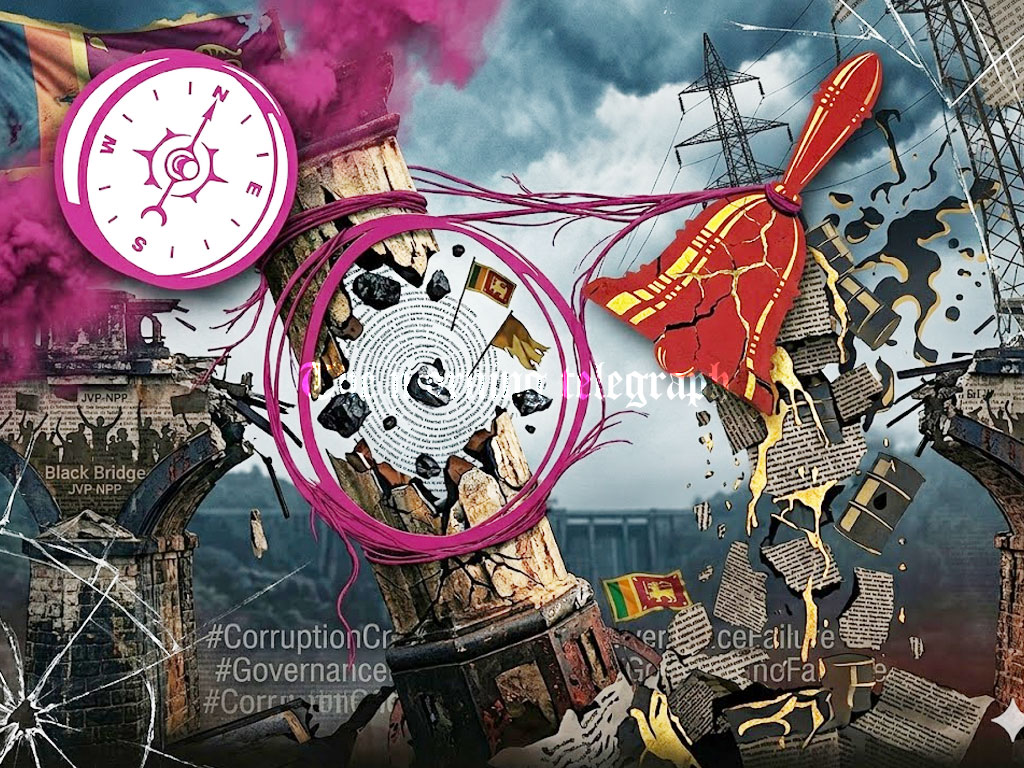
The bridge, also known as Yaka Palama, remains unrepaired despite promises to restore the Kandy train service by mid-April 2026. This structural failure mirrors the state of the government’s own moral foundation. Having swept to power on a platform of transparency, the administration now finds its integrity leaning like a damaged pillar.

Just as the colonial era bridge was compromised by a sudden surge of water from the Kotmale reservoir, the coalition’s reputation is buckling under a surge of allegations. Critics argue the bridge damage resulted from mismanagement by reservoir officials who failed to release water gradually. Similarly, the government is accused of failing to handle internal scandals with the transparency it once championed.
The coal procurement scandal at Norochcholai serves as a primary example of this shift. Despite evidence that substandard coal was imported for power generation, the administration initially entered a state of denial. President Anura Kumara Dissanayake even defended Energy Minister Kumara Jayakody on the floor of Parliament before a no-confidence motion was defeated.
While a presidential commission was eventually appointed to investigate coal issues dating back to 2009, many view this as a dilatory tactic. The eventual resignations of Jayakody and Secretary Udayanga Hemapala came only after significant damage was done. By failing to act immediately, the JVP-NPP government provided the Opposition with substantial political ammunition.
Further complicating matters is the controversy surrounding Minister Lal Kantha’s new residence in a Colombo suburb. This has sparked a fierce debate about the wealth of leaders who claim to represent the proletariat. Critics are now demanding investigations into the assets of ruling party politicians, effectively turning the JVP’s own past rhetoric against them.
The situation worsened when HSBC CEO Georges Elhedery revealed that Sri Lanka had paid an astronomical USD 286 per barrel for oil. The government eventually admitted to the purchase, claiming it was necessary to avoid a total fuel crisis. However, questions remain about why such expensive diesel was needed.
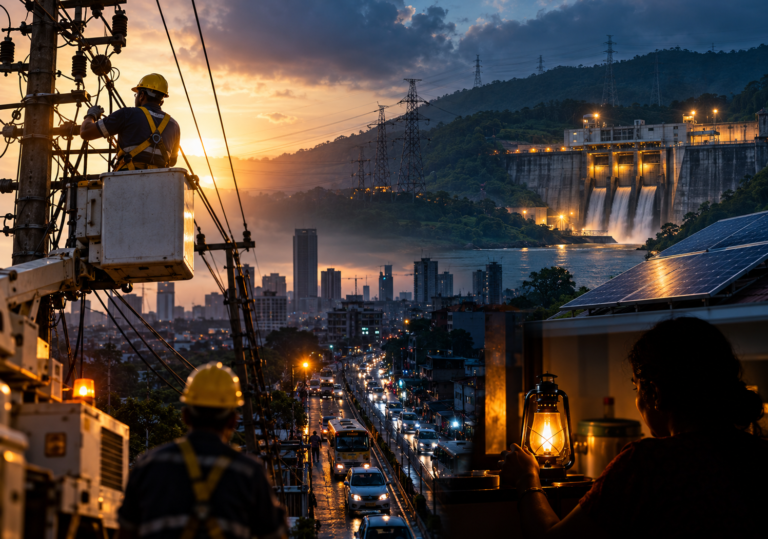
The Opposition contends that the reliance on oil-fired power plants is a direct consequence of the coal scandal. Because substandard coal crippled generation at Norochcholai, the state must now burn hundreds of thousands of liters of diesel daily. This double whammy of high costs and energy instability is set to be a focal point of future election cycles.
Adding to the chaos is the mysterious diversion of USD 2.5 million in Treasury funds intended for an Australian creditor. The administration kept the incident quiet for months, only later attributing it to a system-level hacking episode. Evidence suggests that Treasury officials may have blundered by sending funds to an altered account number.
This financial scandal carries a heavy symbolic weight. During the campaign, President Dissanayake famously pledged to protect Treasury funds as if they were the sacred assets of the Maha Sangha. Now, the failure to guard those funds raises serious concerns about the government’s ability to fulfill its most solemn promises.
The JVP-NPP government currently faces a perfect political storm. While engineers may eventually straighten the pillar of the Black Bridge and restore the Kandy-Colombo line, the repair of the government’s moral pillar is far less certain. What happens next could be critical in determining if the administration can survive this crisis of confidence.