Sri Lanka Cricket faces fresh turmoil as reports suggest Shammi Silva may step down amid protests, corruption claims, and ICC concerns.
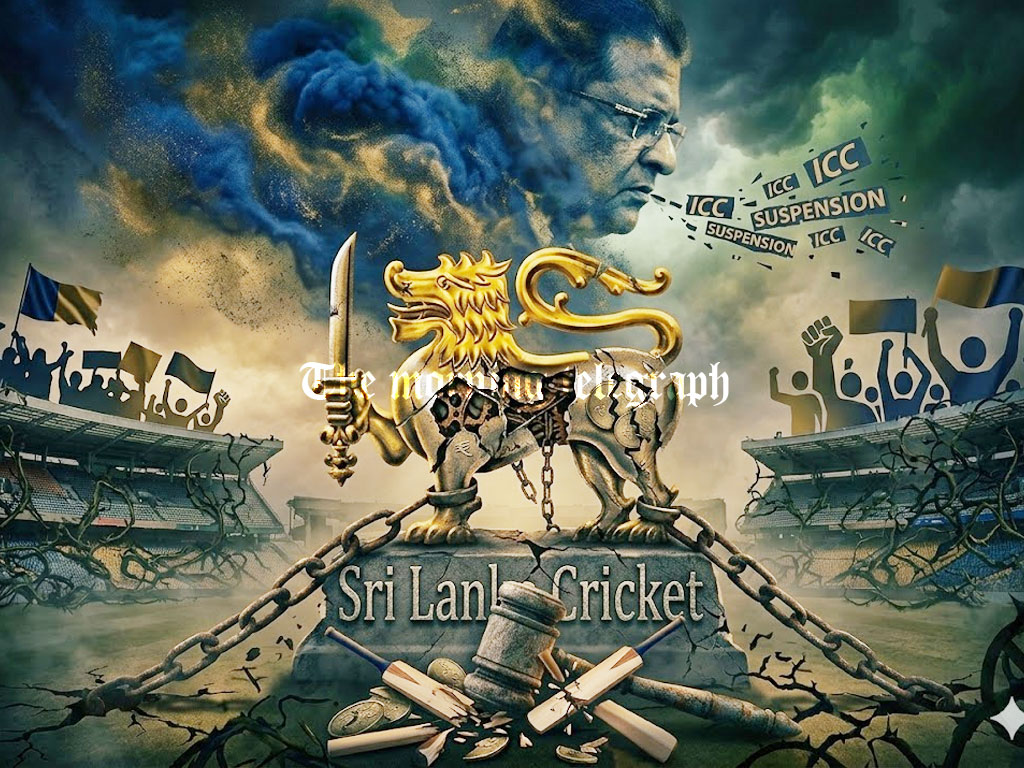
Sri Lanka Cricket is once again at the center of a major governance crisis as reports suggest Chairman Shammi Silva and the current board could step down this week, raising questions about the future of the administration and the direction of the sport.
The development comes after years of mounting pressure from cricket fans, civil groups, and politicians demanding sweeping changes within Sri Lanka Cricket. Shammi Silva has served continuously as Chairman since 2019 and still has nearly a year remaining in his current term.

At a media briefing held on April 27, Sports Minister Sunil Kumara Gamage indicated that an official announcement regarding Sri Lanka Cricket would be made soon, further fueling speculation about imminent changes.
Public anger against the cricket board has been building for months. In March, protests erupted outside the headquarters in Colombo, with monks and civil activists calling for the immediate resignation of the administration and reforms to strengthen domestic cricket.
The frustration intensified following Sri Lanka’s early exit from the 2026 T20 World Cup. Critics argue that under the current leadership, Sri Lankan cricket has declined, both in performance and governance.
Allegations of corruption have also added to the pressure. An Auditor General’s report revealed details about expenses incurred for Sri Lanka Cricket officials and their associates during the 2022 ICC T20 World Cup in Australia. Samagi Jana Balawegaya MP Hesha Withanage has repeatedly raised concerns over irregularities within the cricket board.
The issue has also drawn political intervention. On November 9, 2023, Parliament debated a motion calling for the removal of corrupt officials, including the Chairman of Sri Lanka Cricket, which was passed unanimously without a vote. Former Sports Minister Roshan Ranasinghe had earlier requested a full audit of Sri Lanka Cricket from 2018 onward.
In a dramatic move, Roshan Ranasinghe issued a Gazette on November 5, 2023 suspending Sri Lanka Cricket and appointing an interim committee led by Arjuna Ranatunga. However, Shammi Silva obtained an interim court injunction against this decision.
The situation escalated further when then President Ranil Wickremesinghe appointed a Cabinet subcommittee led by Ali Sabry to resolve the dispute. Eventually, Roshan Ranasinghe was removed from his ministerial position and replaced by Harin Fernando.
The controversy led to international consequences. On November 10, 2023, the International Cricket Council suspended Sri Lanka’s membership, citing a serious breach of obligations, particularly regarding government interference in cricket administration. The suspension was lifted three months later, but the episode left lasting concerns about governance.
Amid the latest reports, attempts to confirm Shammi Silva’s resignation have not yielded clarity. A senior Sri Lanka Cricket official stated that despite widespread media reports, no official notification has been received.
However, questions remain about how such a transition would be managed without triggering another conflict with the ICC.
Sri Lanka’s 1973 Sports Law gives the Sports Minister broad authority to dissolve governing bodies, a power exercised in the past. Interim committees have been appointed before, including under Sidath Wettimuny in 2015 and Kamal Pathmasiri in 2018.
Yet, the ICC has consistently opposed political interference, rejecting interim committees that do not align with its governance framework. Despite this, other countries like Pakistan and Bangladesh have recently operated under interim arrangements, creating a complex precedent.
Sports Minister Sunil Kumara Gamage stated on March 5 that the government is actively engaging with the ICC to ensure any administrative changes do not result in another suspension. He emphasized that even the President is now involved in these discussions.
As uncertainty looms over Sri Lanka Cricket, the next move could reshape the administration of the sport. What happens next could be critical in determining whether reforms can be implemented without risking international isolation once again.