Monk passport scandal erupts after 22 suspects in robes are arrested at BIA with 110kg of drugs, exposing a major loophole in Sri Lanka’s verification system.
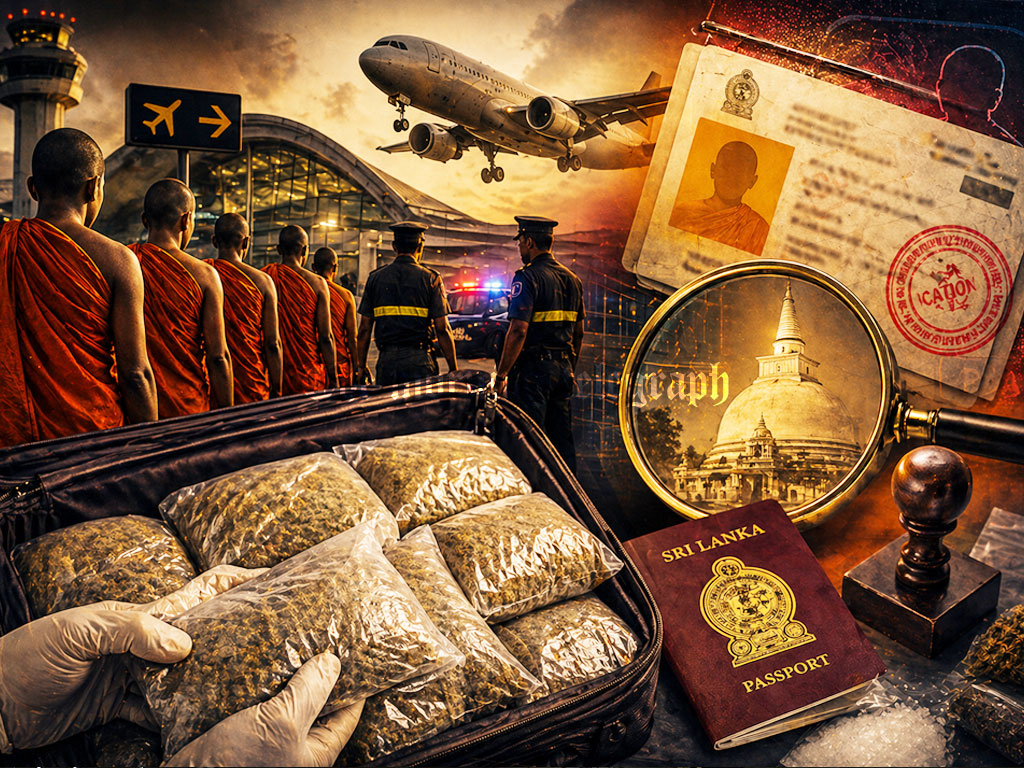
The monk passport scandal has rocked Sri Lanka after 22 individuals dressed as Buddhist monks were arrested at Bandaranaike International Airport on April 26, 2026, carrying more than 110kg of Kush and Hashish from Thailand. The operation is now being described as the largest drug bust in the airport’s history, with an estimated street value exceeding Rs. 1.1 billion.

However, questions remain over how a group of young men aged between 19 and 28 managed to secure official monk passports to execute such a high-level smuggling operation.
In Sri Lanka, obtaining a passport as a monk involves a strict verification process designed to protect the integrity of the Sangha. Every applicant must first hold a valid Samanera or Upasampada ordination certificate issued by the Department of Buddhist Affairs, confirming their affiliation to a recognized Nikaya.
Following this, the Department for Registration of Persons must issue a National Identity Card reflecting the individual’s ordained name. This step requires not only the ordination certificate but also a formal letter from the Chief Prelate of the temple where the monk is attached.
Only after these documents are verified does the Department of Immigration and Emigration issue a monk passport, cross-checking the credentials with the Ministry of Buddhasasana’s database. This multi-layered system is meant to prevent misuse. Yet in this case, it appears to have been bypassed or manipulated.
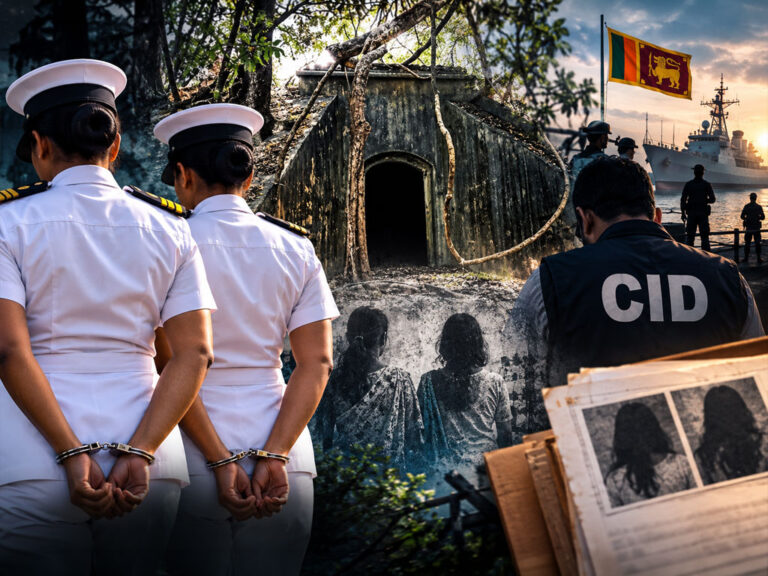
Authorities are now investigating how these safeguards were exploited. Police have already arrested a monk in Meegahawatta, Gampaha, believed to be the main suspect behind the operation. Investigators suspect he used his influence within religious and administrative networks to help the group obtain documentation that appeared legitimate.
Further inquiries have revealed that the suspects’ four-day trip to Bangkok was financed by a businessman, suggesting this was not an isolated act but a coordinated smuggling network disguised as a religious visit.
While some of the individuals may be genuine temple students from areas such as Ampara, Horana, and Wadduwa, investigators uncovered evidence on their mobile phones showing them in civilian clothing and engaging in nightlife activities in Thailand. This raises concerns that the monk robes were deliberately used as a cover to evade scrutiny at international borders.
The response from the Maha Nayaka Theras has been swift. They have stated that if the suspects are confirmed to be ordained monks, they will face immediate expulsion from the Sangha. Once their religious status is revoked, their monk passports and National Identity Cards will become invalid, and they will be prosecuted as ordinary citizens under the law.
This case has exposed a serious vulnerability in Sri Lanka’s clerical verification system. If official religious documentation can be exploited for transnational crime, it raises wider concerns about oversight, accountability, and the potential misuse of religious identity.
What happens next could be critical. The government is now under mounting pressure to digitize and centralize the monk verification database to prevent future abuse. However, the bigger question remains whether this was a one-off breach or part of a deeper, more organized network operating under the cover of faith.