Shammi Silva resigns as Sri Lanka Cricket president amid mounting pressure, reforms debate, and plans for interim committee led by Eran Wickramaratne.
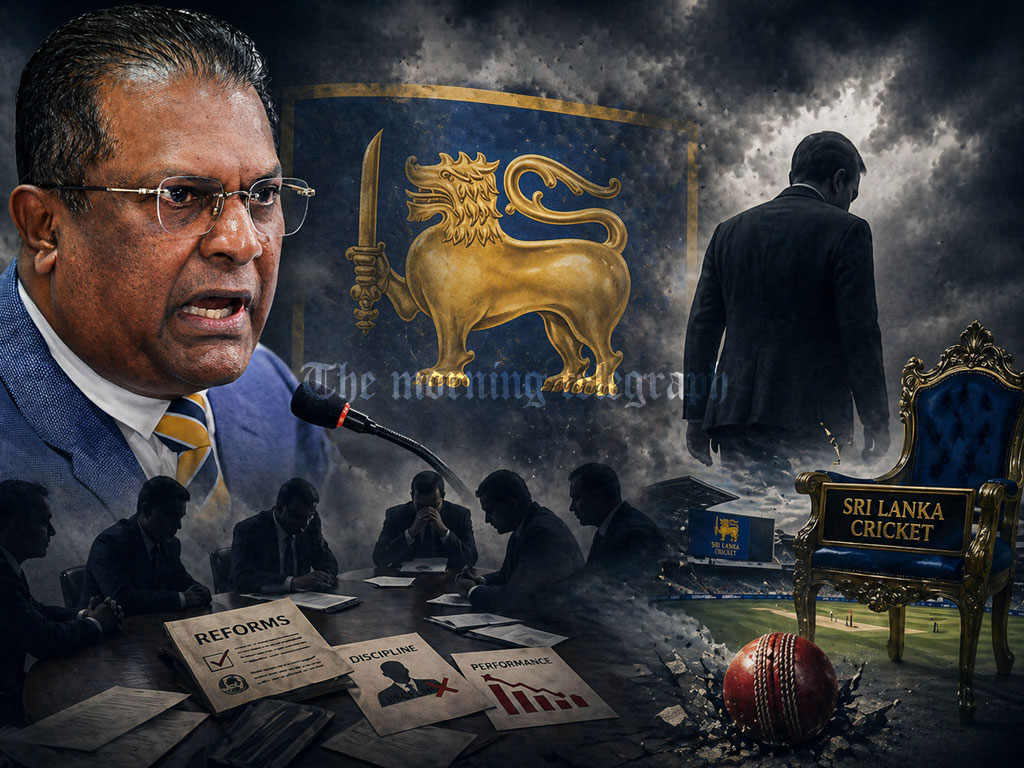
The Sri Lanka Cricket crisis has reached a turning point after President Shammi Silva and the SLC Executive Committee decided to step down following a special committee meeting held today.
Shammi Silva, who first assumed office in 2019, has led Sri Lanka Cricket for nearly seven years. His tenure, while marked by structural reforms, has also come under increasing scrutiny in recent months.
The decision to resign comes amid growing pressure from multiple fronts. The administration has faced a series of allegations, while media reports indicate that government authorities had urged the current leadership to step down.

The controversy has intensified further following complaints raised by a group that includes a prominent player agent and several senior cricketers. It is reported that they have engaged directly with top government officials to voice concerns over the current state of cricket administration.
However, questions remain about whether this move reflects genuine reform or external pressure. The timing of the resignation has sparked debate across the cricketing and political landscape.
If the current administration formally steps down, the government is expected to appoint an interim committee. Former State Minister Eran Wickramaratne is widely tipped to head this proposed arrangement.
This raises concerns about potential government involvement in cricket governance, an issue that has previously drawn scrutiny from international bodies. Any perception of interference could carry broader implications for Sri Lanka’s standing in global cricket.
The reported resignation also comes in the wake of several strict and, at times, unpopular reforms introduced under Silva’s leadership. These measures included tighter fitness standards for contracted players and mandatory disciplinary considerations in future contracts.
A performance-based payment structure was also introduced, linking earnings directly to results. Under this system, players could face salary and match fee reductions for underperformance, while bonuses would be awarded only for victories against top four ranked international teams.
Additionally, a 10 percent deduction from match fees was proposed if the team lost a Test, ODI or T20 series. These reforms, though controversial, were seen by some as necessary steps toward improving professionalism and accountability within the team.
What happens next could be critical. If these reforms are retained and implemented effectively, they could play a significant role in shaping the future of Sri Lankan cricket. At the same time, the transition in leadership will be closely watched for its impact on governance and independence.
As the situation continues to evolve, the focus now shifts to how the next phase of administration will balance reform, stability, and the integrity of the game.