Black market dollar rate rises above Rs. 345 as Harsha de Silva warns confidence loss is destabilizing Sri Lanka’s economy.
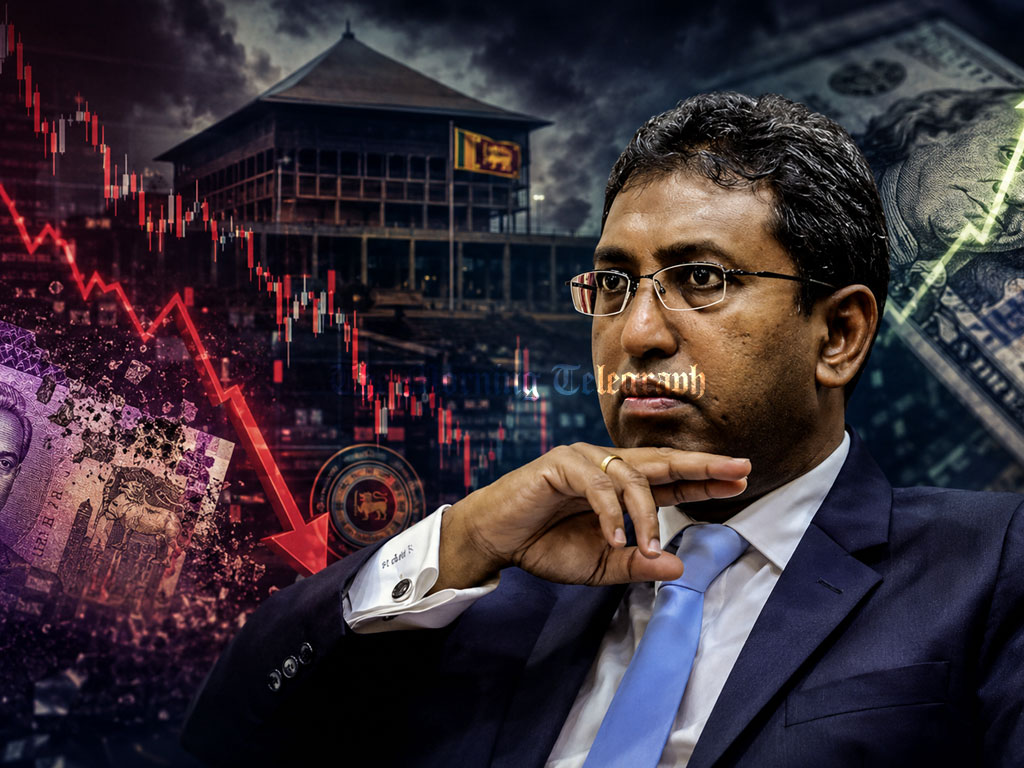
The black market dollar rate has climbed above Rs. 345 as confidence in the government weakens and Sri Lanka’s economy enters a dangerous phase, MP Dr. Harsha de Silva has warned.
Dr. de Silva said the country’s current economic situation is deteriorating seriously, with market stability being shaken by the erosion of public and investor confidence in the government.
Pointing to the latest depreciation of the rupee over the past few days, the Parliamentarian said the dollar has now risen to Rs. 342 in the official market, while the black market rate has already exceeded Rs. 345.
He stated that although the rupee showed some stability for a few days following the increase in interest rates, it has once again begun to weaken rapidly due to growing mistrust in the government’s economic management.

Dr. de Silva further revealed that fear of further rupee depreciation has caused overseas workers to delay sending remittances to Sri Lanka.
He said exporters are also becoming reluctant to bring their foreign earnings into the country, creating further pressure on dollar inflows.
Against this backdrop, the Parliamentarian warned that the banking system could face a major challenge in the coming weeks in securing the dollars needed to settle import Letters of Credit.
Dr. de Silva also pointed out that the United States is preparing to impose a new 2.5% tax on Sri Lankan goods, which could raise the total tax burden to 22.5%.
He criticized the government for failing to secure a successful outcome despite claiming that it had held negotiations with the United States.
According to him, several other countries have obtained exemptions from such taxes through bilateral agreements with the US, while Sri Lanka has failed to achieve similar relief.
Dr. de Silva warned that with the dollar rising further, price increases across all essential goods in the market are now inevitable.
He said the ultimate burden will fall on ordinary people, who will have to pay more for daily necessities as the rupee weakens.
He added that although government officials and the Deputy Minister of Finance continue to make simplistic statements about economic management, the real situation facing the country is extremely dangerous.