By Roy Denish.
Negombo prison riots face fresh scrutiny as two inmates remain missing and officials examine security failures.
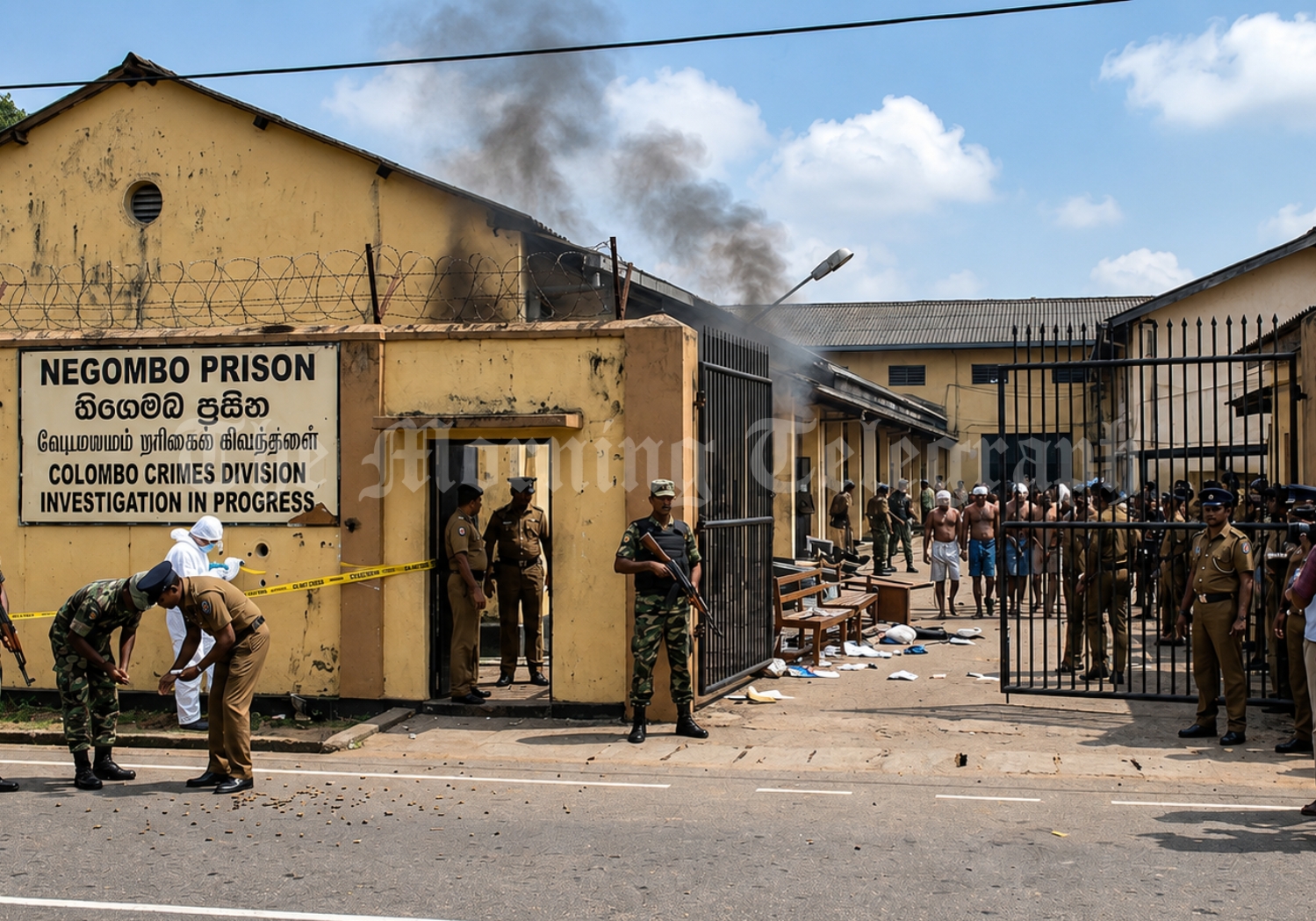
The Negombo prison riots have triggered intense public speculation as two prisoners remain missing and investigators continue to examine how order collapsed so quickly inside the facility.
The unrest has raised difficult questions about whether outside forces, organized criminal networks, or premeditated administrative decisions influenced the violence. Such suspicions often grow after major prison incidents, especially when drug cartels and trafficking networks inside prisons have transnational links.

However, official statements from the Department of Prisons and law enforcement point to a more localized and systemic cause. The main trigger appears to have been a violent turf war between rival domestic drug trafficking factions operating inside a badly overcrowded prison. At this stage, authorities have not supported claims of a coordinated plot directed by foreign intelligence agencies or overseas handlers.
Negombo Prison Riots Timeline Under Scrutiny
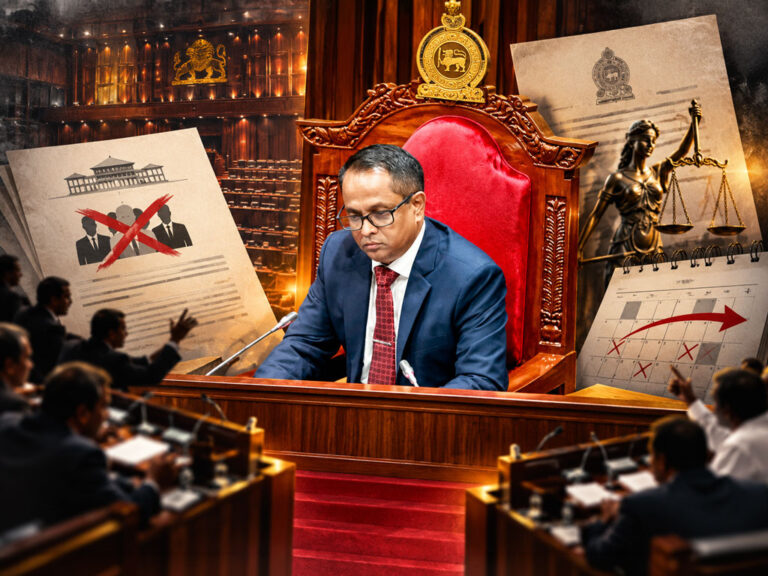
The strongest public concern now centers on the timing of administrative and judicial action. Rumors have circulated that the head of the prison was conveniently transferred. Other claims suggest that investigative bodies, including the Criminal Investigation Department and the Colombo Crimes Division, obtained permission from the magistrate one day before the riots began.
Yet formal updates from police media spokespersons indicate that these steps followed the violence rather than predicted it. Authorities say the legal and administrative moves formed part of the emergency response after the first wave of clashes.
In Sri Lanka, securing permission from the Negombo Magistrate’s Court after a major institutional crisis or loss of life is standard legal protocol. Police and prison officials had to report the initial facts to the magistrate and obtain the legal authority needed to launch a full joint investigation.
That process also allowed investigators to process the crime scene and support the urgent transfer of hundreds of high-risk inmates to other facilities. Therefore, the rapid involvement of the Police Special Task Force and the swift judicial filings appear to have formed part of a containment strategy. They aimed to restore order after the Negombo prison riots began, not execute a pre-planned sequence.
How Prisoners Seized Firearms During The Chaos
The question of how inmates obtained firearms remains central to the investigation. It also exposes the extreme disorder that gripped the prison once the situation deteriorated.
Official accounts from the Department of Prisons and early investigative findings state that prisoners did not possess an arsenal smuggled in from outside the facility beforehand. Instead, they seized firearms directly from prison guards during the violence.
The first major clash reportedly erupted during the morning breakfast distribution. Rival factions turned on each other, and the situation quickly overwhelmed the duty officers who moved in to intervene.
As the unrest spread, rioting inmates chased guards toward the main gates and attempted a mass breakout. During that scramble, several inmates physically overpowered officers and snatched their service weapons. This sequence explains how firearms suddenly entered the hands of prisoners inside the facility.
The reported sight or sound of a policeman firing through a peephole also reflects the defensive position forced on security personnel. Once inmates gained control of internal corridors, officers could no longer operate freely in the main yards. They had to retreat behind fortified control doors and secure checkpoints.
Firing through a peephole or an observation slit is an emergency tactic used when officers must repel a rush on a gate without exposing themselves to direct assault. It also reduces the risk of rioters breaching the final barriers.
From those protected positions, officers fired to deter inmates from breaking through the external gates. The objective was to hold the line until heavily armed reinforcements, including the Police Special Task Force, could secure the outer boundary and restore order inside the wards.
Two Missing Prisoners Deepen Security Questions
The reported escape of two prisoners during the peak of the Negombo prison riots has added another serious layer to the inquiry. It has also sharpened questions about structural weaknesses inside the prison.
During the breakdown of order, rival factions clashed, guards lost control, and the perimeter became dangerously vulnerable. While most rioting inmates were contained inside the main facility or pushed back by police fire from defensive positions, a few appear to have exploited the confusion.
They may have used the temporary breach of internal security gates before reinforcement units fully sealed the outer boundaries. Law enforcement authorities and prison officials have acknowledged that two inmates are believed to have escaped during the height of the violence.
The immediate response faced competing priorities. Security teams had to stop a mass breakout at the main gates, protect staff, control armed prisoners, and treat dozens of critically injured people. As a result, a brief window opened for the missing inmates to slip away undetected.
Special police teams, working with intelligence units, have already begun efforts to track them down. Investigators are focusing on known associates and possible transit routes outside Negombo.
Their escape remains one of the clearest signs of how deeply prison control collapsed before the Special Task Force and military troops restored order. It is also why the joint investigation now needs to examine not only the riot itself, but also the administrative, structural, and security failures that allowed two high-risk inmates to disappear.