By Dwayne Ferreira.
Sri Lanka suffer an 82-run defeat to Pakistan in Rawalpindi as batting failures and bowling concerns raise fresh questions over the T20 team.
RAWALPINDI, Pakistan – Sri Lanka’s Twenty20 international campaign suffered yet another setback on Sunday, 11 October, as Pakistan secured a commanding 82-run victory in the second T20I at the Rawalpindi Cricket Stadium, taking an unassailable 2–0 lead in the three-match series.
The defeat has renewed concerns over Sri Lanka’s batting consistency, bowling effectiveness and ability to compete against disciplined opposition in the shortest format.

Pakistan piled up 215 for fthree in their allotted 20 overs before restricting Sri Lanka to 133 for seven, leaving the visitors with little consolation ahead of the final match on Tuesday.
Pakistan’s Batters Take Control
Maaz Sadaqat delivered the standout performance, smashing 96 from just 51 deliveries. His innings included six boundaries and seven sixes, putting Sri Lanka’s bowling attack under sustained pressure.
Pakistan captain Sahibzada Farhan contributed an aggressive 73 from 44 balls as the home side established a commanding platform.
The total of 215 represented Pakistan’s highest T20I score on home soil and their second-highest total in the format.
Sri Lanka’s bowlers struggled to contain the scoring, and Pakistan repeatedly capitalised on opportunities to accelerate.
Sri Lanka’s Batting Fails to Respond
Chasing 216 required an attacking start and substantial contributions from the top order.
Instead, Sri Lanka struggled to establish momentum as wickets fell and the required scoring rate continued to rise.
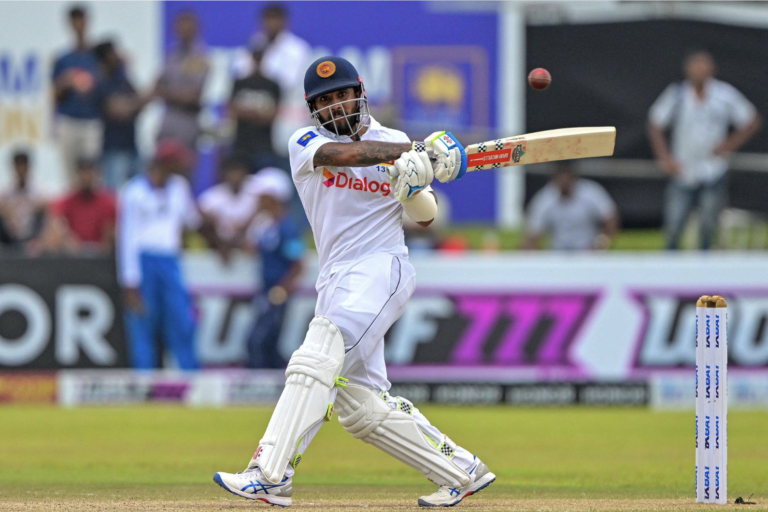
Maheesh Theekshana finished unbeaten on 32, while Chamindu Wickramasinghe contributed 29. Their efforts provided resistance but could not seriously threaten Pakistan’s imposing total.
Pakistan fast bowler Muhammad Imran emerged as the chief destroyer, claiming three wickets for only 11 runs from his four overs. Salman Mirza added two wickets.
The contrast between Pakistan’s top-order dominance and Sri Lanka’s inability to build a significant partnership proved decisive.
Defeat Raises Questions Beyond One Match
Sri Lanka’s struggles cannot be explained simply by one exceptional innings from an opposing batter.
The team’s latest defeat raises wider questions about its approach to T20 cricket, particularly the balance between attacking intent and innings construction.
Pakistan’s batters demonstrated how sustained aggression can create match-winning totals. Sri Lanka, meanwhile, failed to maintain the scoring pressure needed for a successful chase.
The result also increases scrutiny of team selection, tactical planning and the execution of basic skills.
Those concerns should not automatically translate into calls for individual players to be dropped. A meaningful assessment must examine whether the team has established clear roles and provided players with a consistent strategy.
Final Match Now a Test of Character
Pakistan had already won the opening T20I by four wickets, meaning Sunday’s result settled the series with one match remaining.
Sri Lanka will return to Rawalpindi for the third T20I on 13 October, seeking to avoid a series whitewash.
Although the result cannot change the series outcome, the final encounter provides an opportunity for the visitors to demonstrate improvement.
For Sri Lankan supporters, the immediate concern is no longer simply whether the team wins its next match.
It is whether the performances on display indicate a broader problem that requires attention before the country’s next major international assignments.
SCORECARD
Pakistan – 215/3 (20 overs)
Maaz Sadaqat 96 (51)
Sahibzada Farhan 73 (44)
Fakhar Zaman 22 (17)
Dasun Shanaka 1/30
Eshan Malinga 1/41
Sri Lanka – 133/7 (20 overs)
Maheesh Theekshana 32* (26)
Chamindu Wickramasinghe 29 (24)
Kamindu Mendis 23 (19)
Muhammad Imran 3/11
Salman Mirza 2/28
Result: Pakistan won by 82 runs
Series: Pakistan lead 2–0
Player of the Match: Maaz Sadaqat