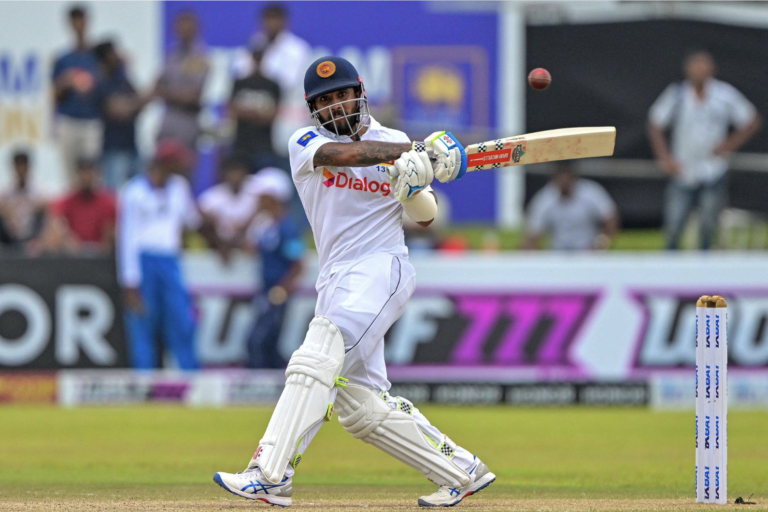
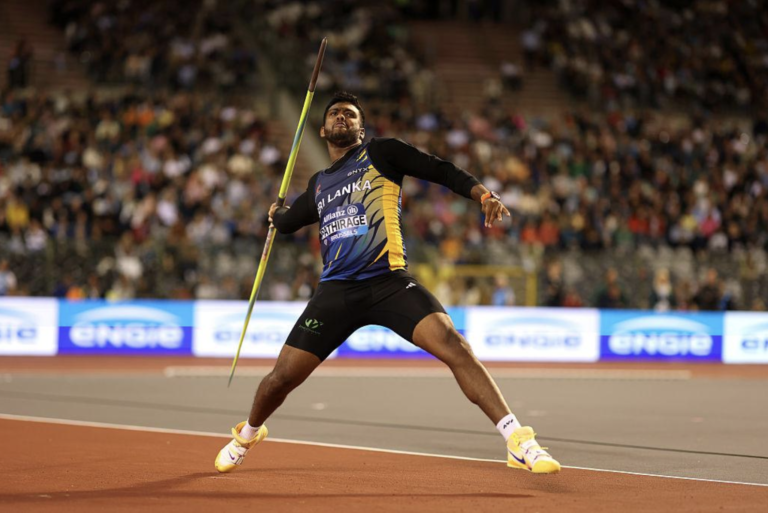
Sri Lanka’s sporting world faces its darkest hour as shocking revelations expose rampant doping across cricket, rugby, athletics, and more. With weak accountability and poor enforcement, the nation is now labeled a haven for drug cheats.
Sri Lanka’s reputation in sport has been dealt a severe blow following explosive disclosures in Parliament by Deputy Sports Minister Sugath Tillekaratne. The former Asian Games gold medalist revealed that 67 top-level athletes from 11 different sports tested positive for banned performance-enhancing substances over the period from 2011 to 2025. His revelation painted a grim picture of a nation unable to uphold sporting integrity, with cricket and rugby joining athletics, cycling, bodybuilding, weightlifting, boxing, wrestling, kabaddi, powerlifting, and even netball in what has now become a doping crisis.

According to official investigations by the Sri Lanka Anti-Doping Agency (SLADA), the highest number of violations were recorded in athletics with 12 cases, bodybuilding with 12, cycling with 12, and rugby with 7. Cricket, a sport considered the pride of the nation, was also blacklisted, alongside rugby, once hailed as a symbol of grit and determination. Tillekaratne pointed out that many athletes resorted to using banned substances not only to chase personal glory at national events but also to secure international recognition through medals and performances that were chemically enhanced rather than achieved through hard work and fair play.
The Deputy Minister also exposed a glaring loophole in Sri Lanka’s anti-doping framework. While athletes in track and field are punished when found guilty of doping, coaches, trainers, and other external influences who may encourage or even provide these substances face no penalties. This contrasts sharply with the practices in neighboring countries where both athletes and their mentors are held accountable, creating a balanced and stricter deterrent against cheating. In Sri Lanka, the absence of such shared accountability has created a breeding ground for doping, enabling a cycle where athletes bear the sole brunt of punishment while those behind the scenes escape scrutiny.
This failure to address the roots of the issue has left Sri Lanka vulnerable, both domestically and internationally. The revelations highlight how fragile the credibility of national sport has become, and why urgent reforms are necessary. The country must adopt a more stringent anti-doping policy, close the gaps in enforcement, and ensure both athletes and their support staff are equally accountable. Only then can Sri Lanka begin to restore confidence in its sporting institutions and prevent further erosion of its reputation.
As an athlete turned politician, Tillekaratne now finds himself at a crossroads. Supporters question whether he will bring meaningful reform or join the long list of Sports Ministers remembered only for empty promises. His own credibility, built on athletic glory, may well depend on how firmly he tackles this deepening crisis.