Sri Lanka’s banking system faces intense scrutiny as a multi-billion rupee fraud triggers an international forensic audit, raising serious questions about governance, oversight, and financial accountability.
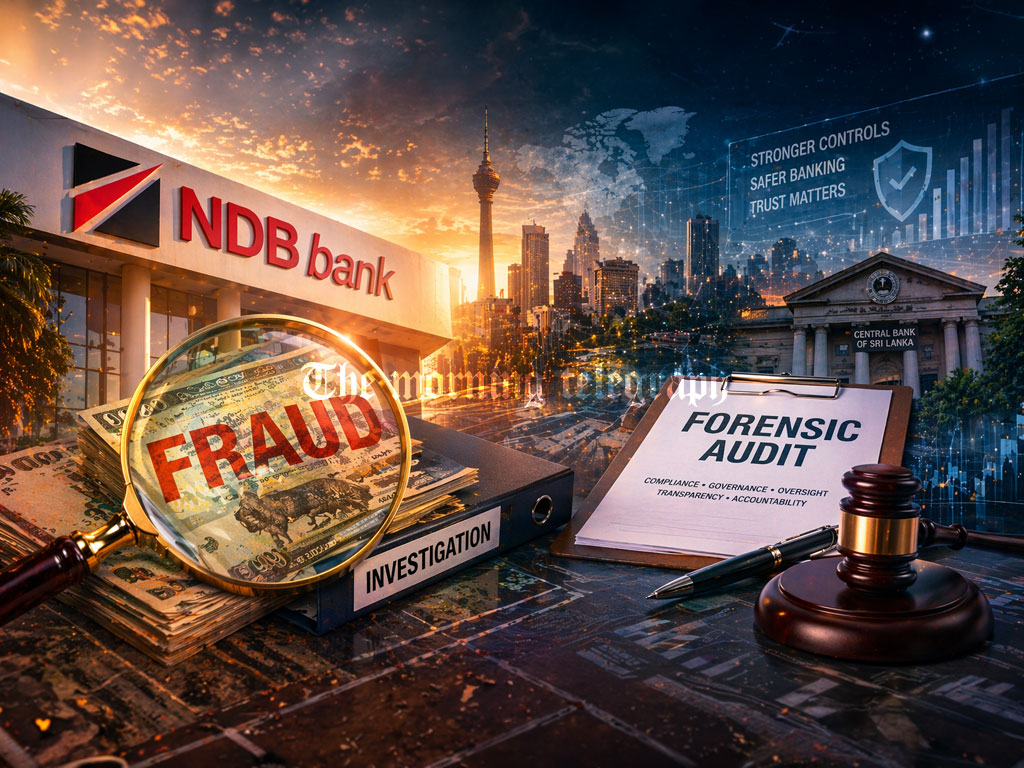
Sri Lanka’s central bank has confirmed that it is finalizing arrangements with National Development Bank to appoint a leading international firm to conduct a comprehensive forensic audit, following the recent disclosure of an internal fraud amounting to 13.2 billion rupees.
The Central Bank of Sri Lanka stated that the scope of this forensic audit will go beyond the fraud itself and will carefully examine failures in regulatory compliance, internal controls, oversight mechanisms, and governance structures during the period in which the fraudulent transactions occurred.

The forensic audit process is expected to begin shortly, with the Central Bank maintaining direct engagement with the appointed auditors where necessary. Authorities have emphasized that the audit will include ongoing updates, interim findings, and a final report that will be submitted directly to the regulator for review and action.
The Central Bank, which has faced criticism over its regulatory oversight in this case, has also instructed National Development Bank to immediately strengthen its internal control systems and governance frameworks to prevent further lapses.
In addition to the forensic investigation, NDB has been directed to initiate an independent third-party review to evaluate the effectiveness of its policies, operational procedures, systems, and internal controls, ensuring that any structural weaknesses are properly addressed.
Despite the scale of the internal fraud, the bank continues to meet all regulatory requirements related to capital adequacy and liquidity. The Central Bank remains in continuous engagement with the bank’s board, management, and other stakeholders, while reaffirming its commitment to protecting depositors and maintaining financial system stability.
Authorities have also clarified that there is currently no evidence to suggest that any other regulated financial institution has suffered losses due to this incident, urging the public not to be misled by inaccurate claims circulating in various forums.