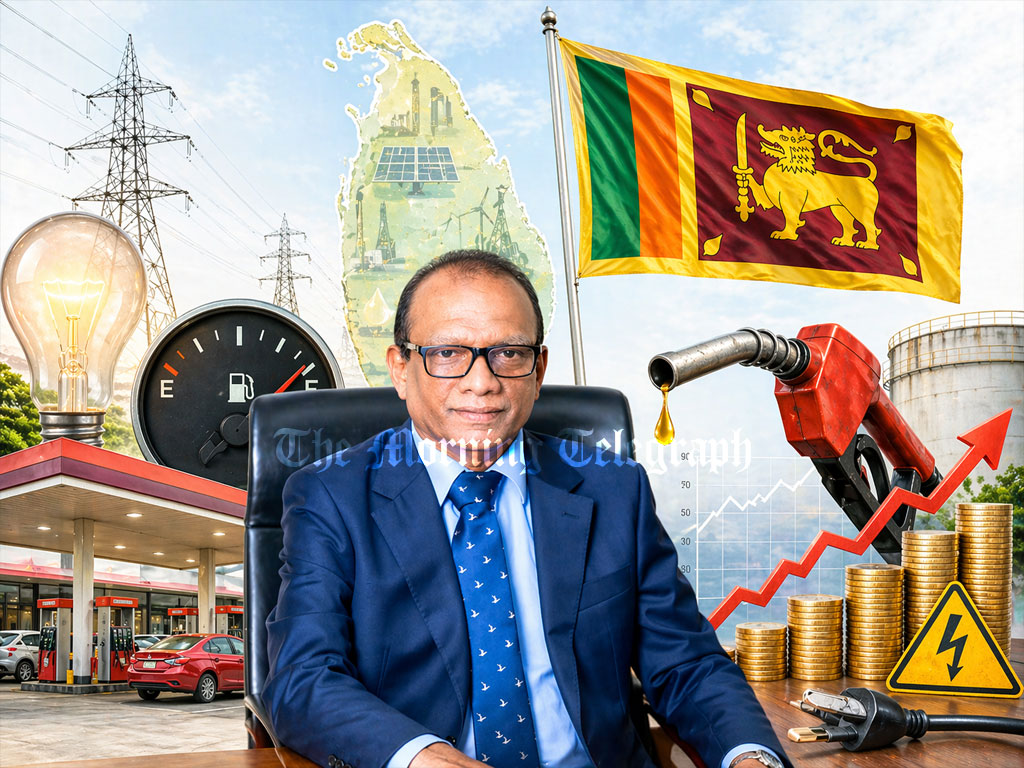
Sri Lanka’s Energy Ministry signals continuity in fuel and electricity supply while warning that global forces may push prices beyond government control, raising fresh concerns for consumers.
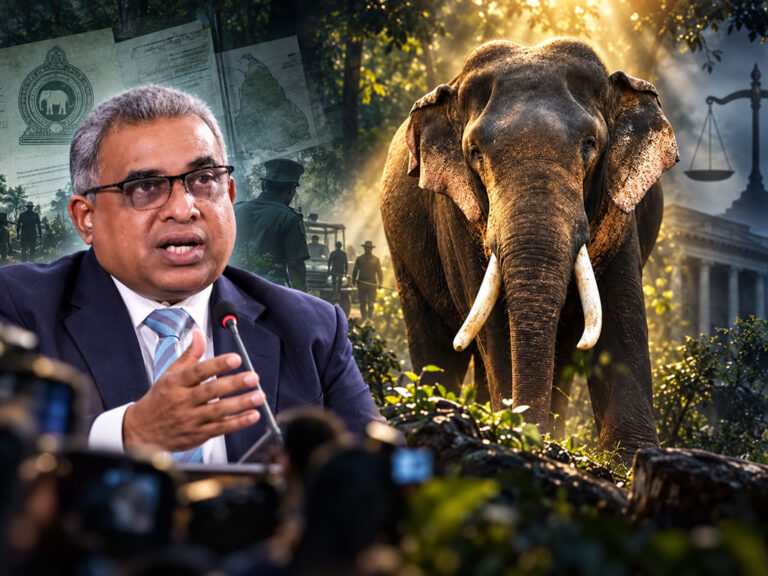
Sri Lanka’s newly appointed Energy Minister Anura Karunathilaka has made it clear that while leadership may have changed, the government’s core energy policy remains firmly intact, with a continued commitment to ensuring uninterrupted supply of electricity and fuel to the public. Addressing the media after officially assuming duties, the minister emphasized that national energy policy will continue to be guided by long-term strategic goals, ensuring stability in essential services despite ongoing economic pressures. Former Energy Minister Kumara Jayakody was also present at the occasion, highlighting a sense of continuity within the ministry.

The transition in leadership comes in the wake of significant developments within the Energy Ministry. Former Minister Kumara Jayakody and Ministry Secretary Professor Udayanga Hemapala tendered their resignations to the President on April 17, paving the way for an independent and transparent investigation by the Special Presidential Commission of Inquiry into the controversial coal import process. Following these resignations, the President appointed Anura Karunathilaka, who previously held the Ports and Civil Aviation portfolio, to take over the Energy Ministry and restore public confidence in governance and accountability.
Responding firmly to mounting criticism from the opposition regarding transparency, governance issues, and alleged procurement irregularities, Minister Karunathilaka challenged critics to present concrete evidence through proper legal institutions. He specifically called on the opposition to submit any credible allegations to bodies such as the Bribery or Corruption Investigation Commission, the Criminal Investigation Department, or the Presidential Special Investigation Commission, instead of relying on public accusations and media narratives to drive political pressure.
Addressing growing public concern over a potential electricity crisis, the minister dismissed speculation about imminent power cuts. He explained that foundational work had already been completed by the previous administration, including the former minister, deputy ministers, and ministry officials, ensuring that the country is adequately prepared to meet its energy demands.
“As the new minister, I do not need to take any special steps. The former minister, deputy ministers and the board of officials have already taken the necessary initial steps. If those plans are implemented, we will not need to resort to power cuts. My job is to provide the necessary policy and state intervention to ensure that those activities are carried out successfully.”
However, the minister acknowledged the broader global challenges affecting Sri Lanka’s energy sector. Rising international fuel prices and ongoing geopolitical tensions in the Middle East remain significant external risks that the government cannot directly control. Despite these uncertainties, he reassured the public that the government is committed to minimizing the impact on citizens as much as possible.
“We may not be able to control certain price-related events. But we will continue to provide electricity and fuel under any circumstances,” he further assured.