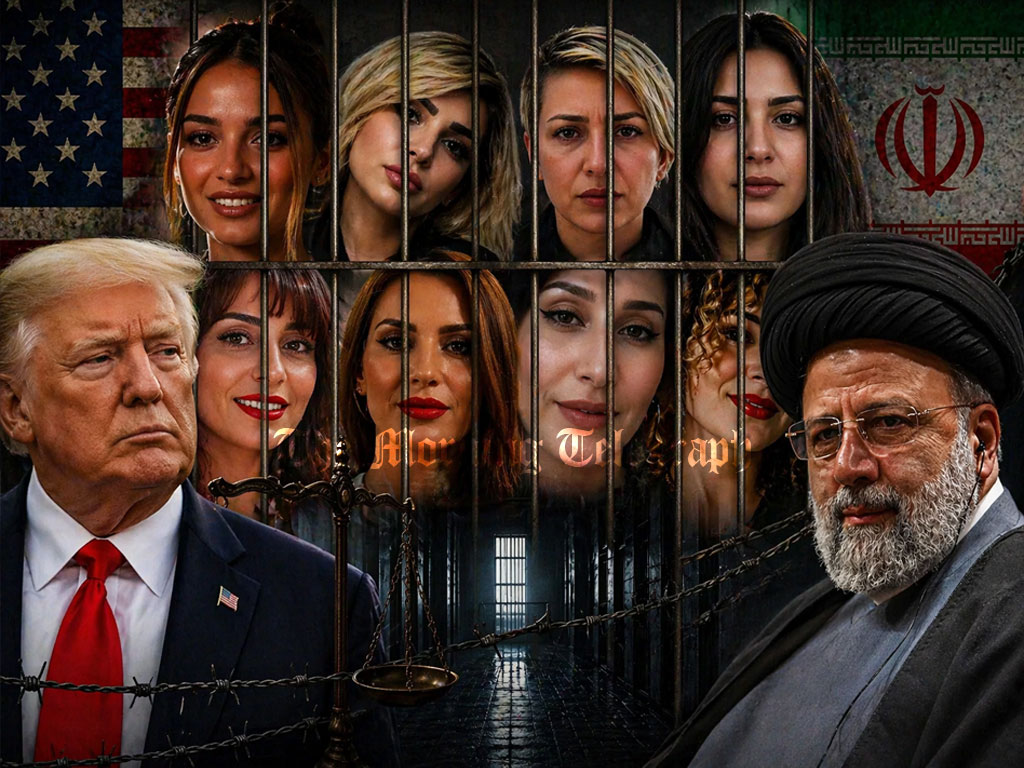
A dramatic international claim sparks debate as Trump announces a last-minute halt to executions of Iranian women, while Tehran disputes the narrative and raises questions over truth, diplomacy, and human rights.
US President Donald Trump announced on Wednesday that Iran will not proceed with the execution of eight women protesters, stating that his direct appeal played a decisive role in stopping the planned action. The development has drawn global attention, placing human rights, diplomacy, and geopolitical messaging at the center of an already tense US-Iran relationship.
According to Trump, he was informed that the eight women who were reportedly facing execution would no longer be put to death. In a statement shared on his social media platform, he said that four of the women would be released immediately, while the remaining four would receive prison sentences of one month. Trump described the outcome as positive and expressed appreciation toward Iranian leadership for responding to his request.

The announcement followed shortly after Trump extended a two-week ceasefire period with Iran, as diplomatic efforts continue and US negotiators await a response from Tehran regarding a broader proposal to end the nearly two-month conflict. This timing has added further weight to the claim, suggesting a possible link between ongoing negotiations and the reported decision.
However, Iranian authorities have strongly denied that any such executions were ever scheduled. The country’s judiciary responded by stating that the information was inaccurate and that the former US leader had been misinformed. Officials emphasized that while some individuals connected to recent protests had been released, others were still facing legal proceedings that could result in prison sentences rather than capital punishment.
Despite these denials, human rights organizations continue to raise concerns. Reports indicate that one of the women, identified as Bita Hemmati, had been sentenced to death over allegations related to protest activities, including participation in demonstrations and actions such as throwing objects at security forces. Her case was highlighted by international advocacy groups and independent monitoring organizations, drawing significant global scrutiny.
Details from activist networks suggest that Hemmati, along with several others, had been convicted for involvement in protest gatherings that took place in early January 2026. These charges reportedly included chanting slogans, damaging public property, and engaging in acts described as disruptive during civil unrest. Such allegations have been widely debated, particularly in the context of proportional justice and freedom of expression.
At the same time, there are conflicting accounts regarding the status of the individuals involved. Reports from international human rights groups indicate that at least two of the eight women had already been released on bail months earlier, raising further questions about the accuracy of the execution claims and the timeline presented in public statements.
The issue gained broader visibility after Iranian activist Masih Alinejad, currently based in the United States, brought attention to the cases through social media. By sharing the names and images of the women, she helped amplify international awareness and pressure, contributing to the ongoing global conversation about human rights conditions in Iran.
The wider political context also plays a critical role in understanding the situation. The current conflict between the United States and Iran intensified earlier this year following warnings from Washington regarding the suppression of protests within Iran. Subsequent developments have included military tension, diplomatic negotiations, and a focus on nuclear policy, particularly Iran’s uranium enrichment activities.
While negotiations between the two countries continue, the situation involving the eight women has become a focal point of public debate. It highlights the intersection of political messaging, human rights advocacy, and international diplomacy, with differing narratives emerging from both sides.
As events continue to unfold, the question remains whether the reported halt in executions represents a genuine shift or a misunderstanding shaped by conflicting sources. What is clear, however, is that the situation has intensified scrutiny on Iran’s judicial processes while also placing global attention on the influence of political intervention in matters of life and justice.