Sri Lanka faces a fresh financial shock as claims of a ‘technical default’ collide with explosive allegations of a Treasury cover-up, raising urgent questions about governance, accountability, and economic stability.
Rajitha Keerthi Tennakoon of the Free Lawyers organization has called on the Central Bank of Sri Lanka to come clean before Parliament and the public regarding the controversial ‘Australian debt accounts’ managed under the Treasury’s State Debt Department. Speaking at a press conference in Colombo, Tennakoon alleged that Finance Ministry Secretary Harshana Suriyapperuma and Deputy Finance Minister Anil Jayantha are misleading the country over the high-profile Treasury heist, which has now become a major Sri Lanka financial scandal.

He strongly rejected the government’s attempt to portray the incident as a cybercrime, insisting that the payment process involved established Treasury and Central Bank mechanisms. According to him, as many as sixteen officials were directly involved in the transaction, including senior figures responsible for Sri Lanka’s public finance management and sovereign debt payments.
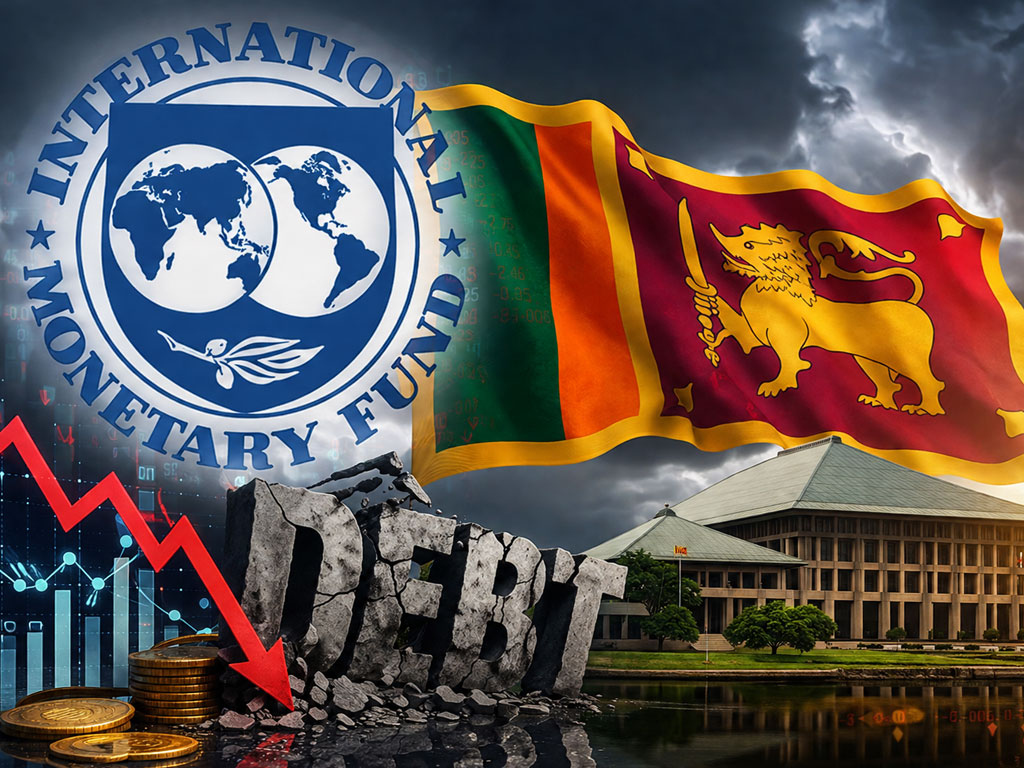
Tennakoon warned that Sri Lanka has now effectively entered a technical default status. Under the International Monetary Fund debt restructuring agreement, the maximum grace period for delayed debt repayments is 90 days. With more than 100 days having passed since the December deadline, Sri Lanka’s failure to settle the Australian debt has triggered concerns of sovereign default risk and economic instability.
He noted that in April 2022, Sri Lanka officially declared bankruptcy due to a foreign exchange crisis, and now, in April 2026, the country appears to have slipped into another form of financial distress. Despite the seriousness of the situation, authorities including the Finance Ministry, Central Bank Governor, and senior officials have yet to formally disclose this development to Parliament or the public, raising concerns over transparency and fiscal accountability.
Tennakoon further stressed that until a full investigation is concluded, regulations prevent repayment of the disputed funds. He urged the government to act swiftly to prevent the collapse of agreements between Sri Lanka, the IMF, and international creditors, warning that continued delays could undermine debt restructuring efforts and investor confidence.
The controversy deepened with revelations surrounding internal investigation processes. A Technical Investigation Committee was initially appointed on March 24, 2026, but later documentation showed conflicting versions of the committee’s composition. According to Tennakoon, letters were altered and reissued, with new names added under the same reference number and date, raising serious red flags about document manipulation within the Treasury.
He claimed that after the scandal was exposed, earlier documents were retrieved and possibly modified, while the official report dated April 10 was used to suspend four junior officers on April 17. These actions, he alleged, suggest a deliberate attempt to shift blame onto lower-level employees while protecting those responsible at higher levels of decision-making.
The Criminal Investigation Department only began probing the matter on April 21, despite the alleged breach occurring as far back as September 2025. Equipment including computers, phones, and digital storage devices were seized days later, pointing to delays in initiating a proper cybercrime investigation and financial fraud inquiry.
Tennakoon also criticised what he described as a politically influenced culture within the Treasury over the past year. He accused authorities of attempting to scapegoat clerical staff while failing to hold senior officials accountable. Reports have also emerged suggesting that documents linked to a separate French debt transaction may have gone missing, raising fears of broader systemic weaknesses in Sri Lanka’s financial governance.
The politicisation of key institutions has further aggravated the crisis. Senior positions, including the Director General of the Treasury’s IT division, have reportedly remained vacant since September 2025, while experienced officials have been transferred for political reasons. These developments have weakened institutional capacity at a time when strong oversight is critical to safeguarding national finances.
Although the State Debt Department of the Central Bank was formally dissolved from January 2026, Tennakoon pointed out that the disputed transaction occurred during a period when the Treasury and Central Bank were still operating jointly. He also questioned why the Central Bank, which actively educates the public on cyber security threats and online financial fraud, has remained silent on an incident involving its own systems and responsibilities.
The failure to inform the President, the Finance Minister, or investigative authorities in a timely manner has further intensified scrutiny. Tennakoon highlighted that no court proceedings have yet been initiated, suggesting a lack of urgency in addressing what could be one of the most serious financial breaches in recent Sri Lankan history.
He concluded by urging the President to clarify whether he continues to have confidence in the current Finance Ministry leadership, particularly under Article 52.1 of the Constitution. Drawing parallels to the 2022 economic collapse, Tennakoon warned that weak public financial management and politically driven decisions could once again push the country into crisis, describing the Treasury and Central Bank as institutions now operating without clear direction or leadership.