By Roy Denish
A powerful Buddhist prelate once surrounded by political influence is now at the center of one of Sri Lanka’s most consequential child abuse investigations. With phone records allegedly revealing 84 calls to the minor victim and mounting public pressure for accountability, the case has become a defining test of whether status, religion, and political connections can stand above the rule of law.
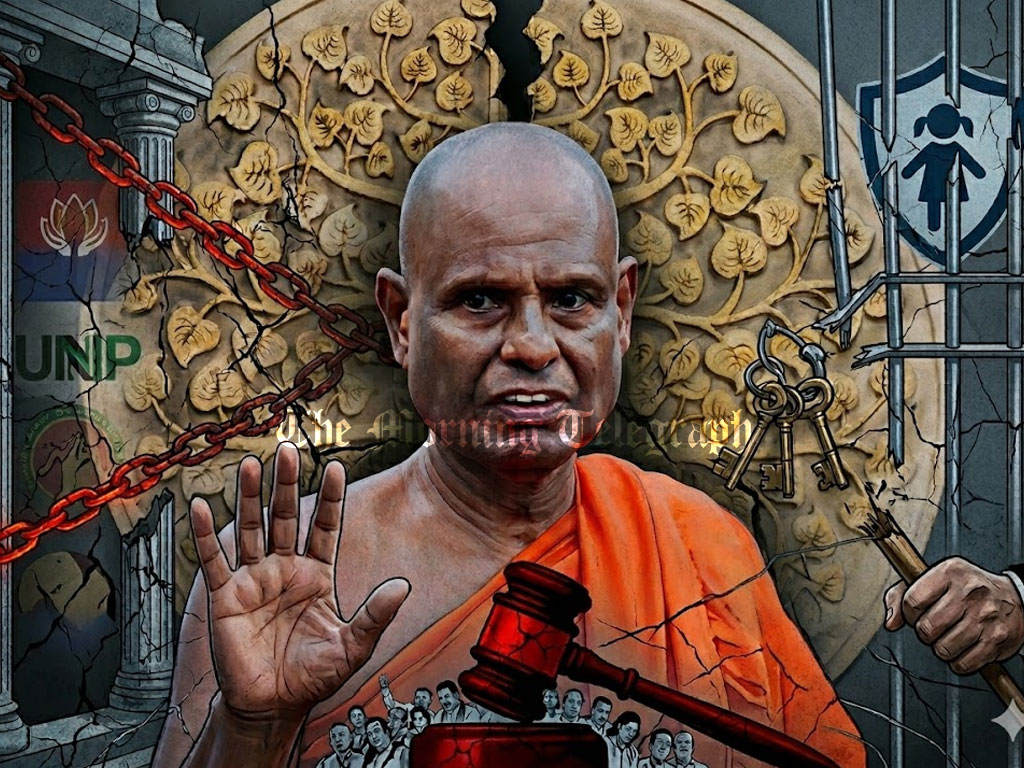
The intersection of religious authority, political power, and criminal accountability has been brought to the forefront of national discourse in Sri Lanka following the arrest and subsequent suspension of Ven. Pallegama Hemarathana Thero. The case involves the most senior member of the Buddhist clergy ever to face charges of child sexual abuse in the country’s history, exposing deep systemic vulnerabilities and prompting unprecedented public scrutiny.
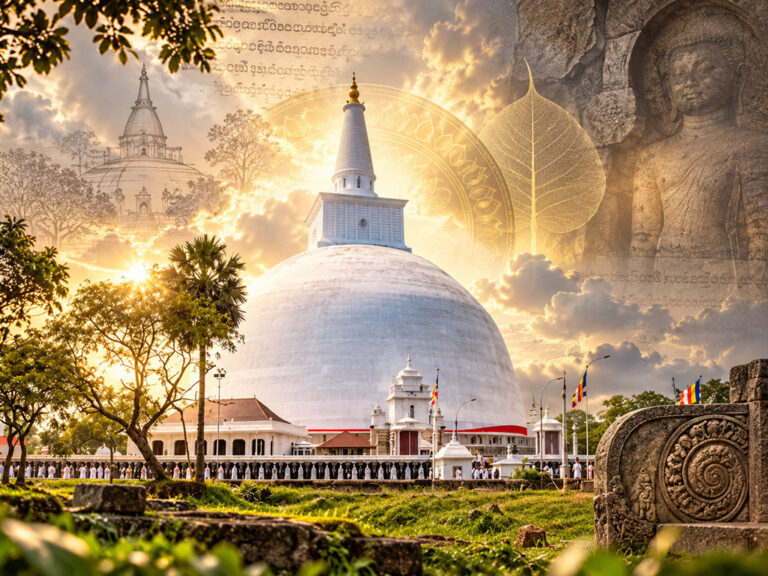
Ven. Pallegama Hemarathana Thero, the 71-year-old chief custodian of the Atamasthana, the eight sacred Buddhist shrines in Anuradhapura, including the highly venerated Jaya Sri Maha Bodhi, was arrested by law enforcement authorities at a private hospital in Colombo. The monk had reportedly sought medical treatment there as a criminal investigation into the alleged abuse of an 11-year-old girl in 2022 began to intensify. A central pillar of the state’s case relies on digital and telecommunications evidence compiled by investigators. Modern tracking methods uncovered a remarkably high frequency of direct contact between the suspect and the underage victim. Law enforcement officials logged eighty-four specific phone calls placed from the prelate to the minor, which have been entered into the formal case file to establish a pattern of regular and direct communication. The victim’s mother was also taken into custody, facing charges for allegedly aiding and abetting the crime. Prior to the arrest, the Anuradhapura Magistrate’s Court had imposed a foreign travel ban on the monk. Following initial remand proceedings, the court granted bail to both the prelate and the mother, a decision that fueled further public debate regarding the handling of high-profile suspects.

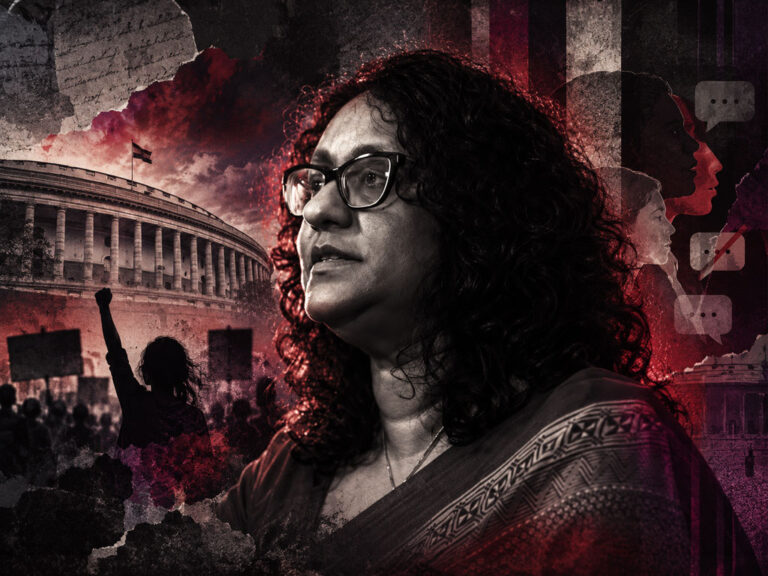
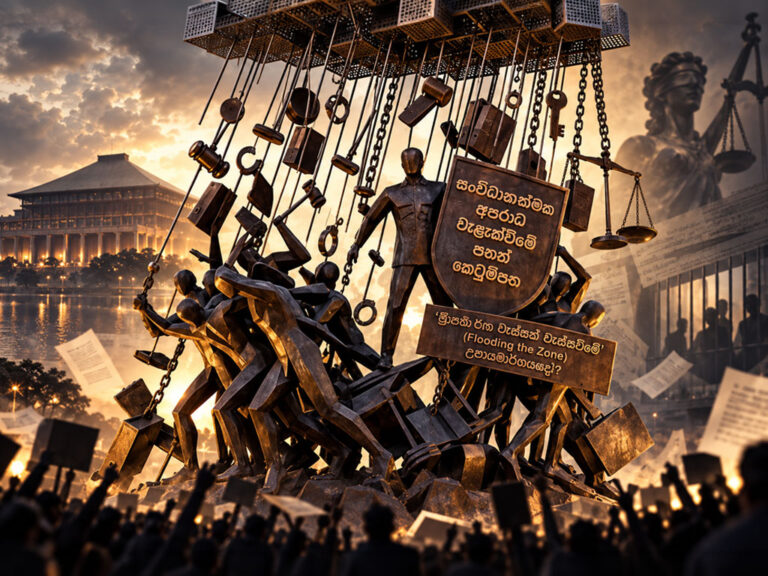
The case has drawn immense attention due to the prelate’s deep connections with Sri Lanka’s political establishment. In Sri Lanka, where more than 70% of the population is Buddhist, senior monks wield extraordinary social, cultural, and political power. As the custodian of the Jaya Sri Maha Bodhi, a sacred tree grown from a sapling of the original historical ficus that sheltered the Buddha, Hemarathana Thero occupied a position of profound influence. For decades, top political figures, including heads of state, prime ministers, and opposition leaders, regularly visited the prelate to seek blessings, counsel, and public legitimacy, particularly ahead of major election cycles. Historically, this proximity to power has provided high-ranking religious figures with a form of unofficial political insulation, making state institutions hesitant to pursue criminal allegations against the clergy. In this instance, the gravity of the child abuse allegations led to a calculated silence from major political factions, who avoided direct intervention to avert public backlash. Civil society organizations, including the activist group Women for Freedom, staged silent demonstrations outside the courthouse holding placards demanding justice and criticizing delays in the legal process. Legal observers note that the progression of this case serves as a critical litmus test for the independence of the Sri Lankan judiciary and law enforcement when confronting figures embedded in the corridors of power.
While Hemarathana Thero is the highest-ranking cleric to face such charges, Sri Lanka has seen a disturbing pattern of child abuse cases involving members of the clergy over the years. Historically, these incidents were frequently shielded from public view or handled internally within monastic chapters to preserve the institution’s public image. The insular structure of monastic schools, or Pirivenas, and temples, combined with the extreme deference shown to monks by lay devotees, has historically created environments where minors are highly vulnerable and reporting mechanisms are severely constrained. The handling of this specific case, however, marks a significant departure from past institutional shielding. In a rare and highly symbolic move, the Council of Monks of the Malwatte Chapter officially suspended Hemarathana Thero from his duties, stripping him of his custodial responsibilities until the conclusion of the legal proceedings. Notably, this disciplinary action was announced on Vesak, the holy day celebrating the Buddha’s birth, enlightenment, and passing, signaling a deliberate effort by the hierarchy to distance the broader institution from the actions of the accused. Together with heightened scrutiny over other reported instances of clerical misconduct, these developments have intensified demands from civil society for comprehensive institutional reforms, transparent reporting structures for child protection within religious institutions, and the absolute enforcement of the rule of law regardless of spiritual or political status.