By Dwayne Ferreira.
US-Iran talks in Doha remain uncertain as Iran denies direct negotiations while Qatar mediates nuclear, Hormuz and ceasefire issues.
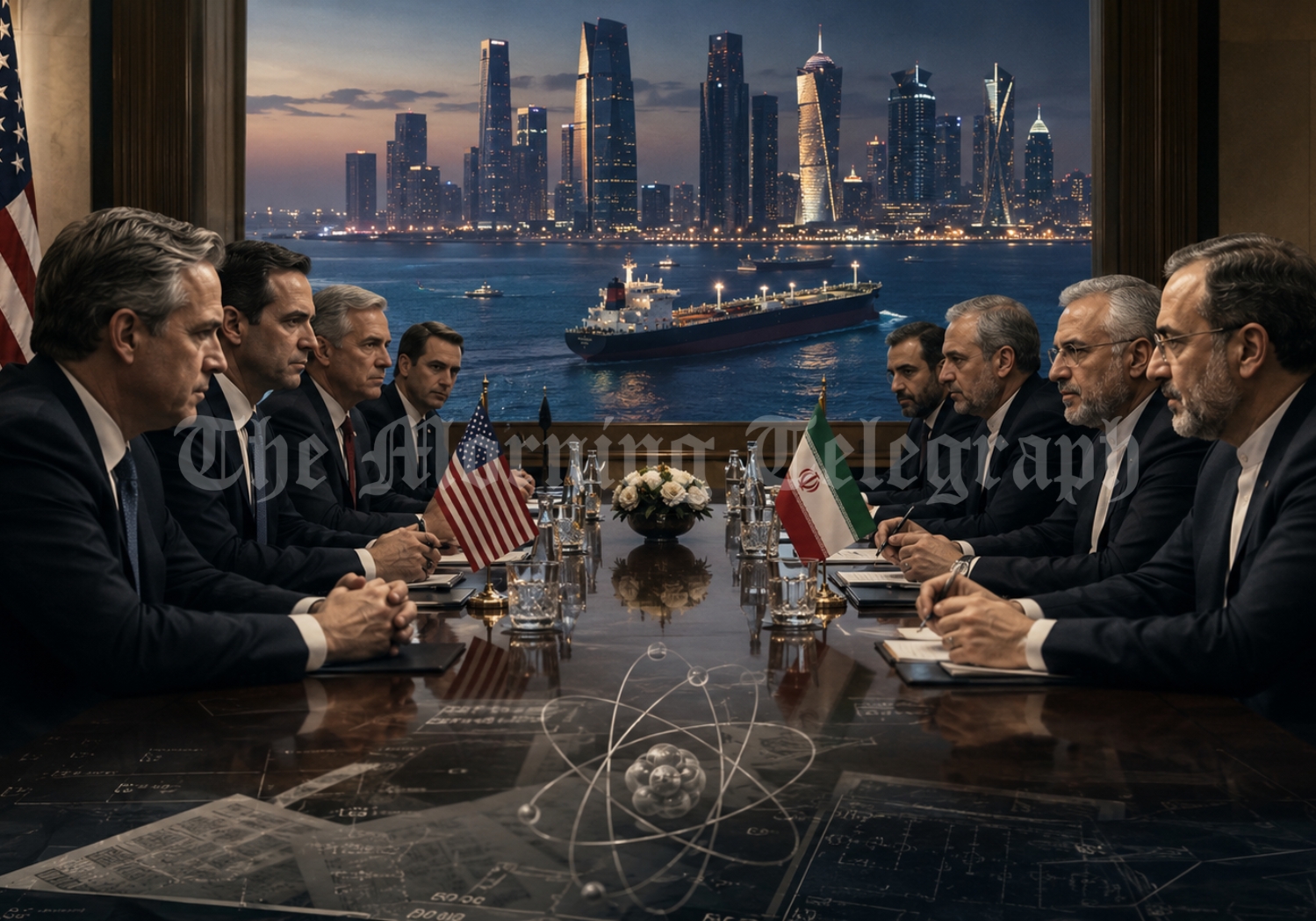
US-Iran talks in Doha have opened under uncertainty, as Washington presents the Qatar trip as a major diplomatic move while Tehran and Doha lower expectations.
Top US envoys Steve Witkoff and Jared Kushner arrived in Qatar on Tuesday for meetings tied to the fragile interim agreement. However, Qatar’s Foreign Ministry said no high-level direct meeting between American and Iranian officials had been scheduled. Instead, Qatari officials said technical discussions would continue on regional security, economic implementation and the nuclear file.
That contradiction now sits at the centre of the diplomacy. US President Donald Trump suggested the Doha meeting could be important, while the White House said Witkoff and Kushner were travelling for meetings. Iran, meanwhile, said its delegation’s visit to Qatar was linked to implementation of the interim memorandum, not direct talks with the Americans.
As a result, the diplomatic track remains alive, but vulnerable. The two sides appear to be speaking through mediators, not across the table. Qatar and Pakistan are acting as go-betweens, keeping channels open while the wording of a meeting remains politically sensitive.

US-Iran Talks Carry A Wider Regional Burden
The renewed push follows a June 17 interim accord that gave the United States and Iran 60 days to work toward a permanent truce and address unresolved issues, including Iran’s nuclear programme. Reuters reported that the 14-point pact was designed to extend an earlier ceasefire and create a path toward a more durable agreement.
However, the Doha talks are not only about centrifuges, uranium stockpiles or inspections. They are also about the Strait of Hormuz, one of the world’s most important maritime chokepoints.
The war and repeated exchanges of fire disrupted shipping through the strait, which had previously carried about a fifth of global oil and liquefied natural gas trade. Maritime traffic through the route came close to a standstill after the conflict intensified, pushing energy markets into a fresh period of uncertainty.
That is why the technical track matters. A deal that reduces nuclear tensions but fails to secure safe shipping through Hormuz would still leave global markets exposed. For Gulf states, Asian energy buyers and oil-dependent economies, the test is whether Washington and Tehran can break the military cycle around the Gulf.
Iran Draws A Line Around Direct Negotiations
Iran’s position has now become firmer than a simple denial of direct talks. Iranian Foreign Ministry spokesperson Esmaeil Baghaei said no negotiation meetings with the American side had been scheduled at any level in the coming days. He also said Iran’s delegation in Doha was not linked to the arrival of US officials.
That line matters because Tehran wants to control the political meaning of the Doha process. Iran wants the talks framed as implementation through mediators, not as direct negotiations under American pressure.
The Iranian stance also reaches beyond the nuclear file. Tehran has tied the ceasefire framework to control over transit arrangements in the Strait of Hormuz, where it wants a decisive role over shipping routes, approvals and demining efforts. That puts Iran at odds with any plan that allows non-Iranian actors to manage the waterway without Tehran’s consent.
Southern Lebanon adds another pressure point. The wider ceasefire framework has become linked to Hezbollah’s position near the Israeli border, Israeli withdrawal demands and whether Iran-backed actors accept a separate security arrangement. That makes Doha more than a nuclear discussion.
For Tehran, the message is clear. Iran is willing to discuss implementation through Qatar and other mediators, but it does not want the process described as direct talks with Washington. That distinction gives Iran room to negotiate while avoiding the appearance of surrendering to US pressure.
Strait Of Hormuz Still Carries The Biggest Risk
The most immediate danger is not in the conference room. It is at sea.
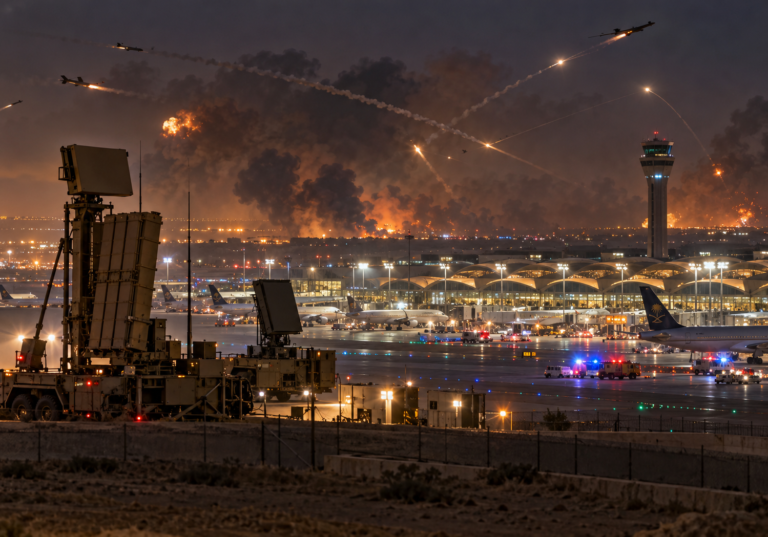
Since late last week, the United States has accused Iran of hitting at least two commercial ships with missiles or drones. Washington responded by bombing Iranian military facilities. Iran then launched missiles and drones at US military sites in Kuwait and Bahrain, with both sides accusing each other of violating the ceasefire.
That cycle shows why the US-Iran talks are exposed, especially when Tehran insists Hormuz security cannot be separated from the ceasefire framework. One incident in the strait could quickly overwhelm the diplomatic track. Iran has also sought to assert control over shipping lanes, while Oman and other regional actors are trying to stop the route from becoming a permanent trigger point.
The global oil market is already reacting. Reuters reported that oil prices have fallen from panic levels as traders watch for signs that US-Iran diplomacy could reduce the risk premium. Brent and US crude prices were heading for sharp quarterly losses as investors focused on possible progress in Doha.
Nuclear Inspections Remain The Central Question
Behind the security and shipping disputes lies the original problem: Iran’s nuclear programme.
The interim deal reportedly includes steps linked to Iran’s enriched uranium stockpile, sanctions relief and free traffic through the Strait of Hormuz. AP reported that the agreement calls for Tehran to dilute its stockpile of enriched uranium, waives certain US-backed oil sanctions and gives both sides 60 days to work toward broader arrangements.
The Guardian also reported that US Vice President JD Vance said Iran had agreed to allow UN nuclear inspectors back in. Tehran insisted it had made no new concessions and said any outcome would need approval by Iran’s Supreme National Security Council.
That difference in messaging is important. Washington wants to frame the process as nuclear rollback. Tehran wants to frame it as economic relief, restored sovereignty and reciprocal implementation. Qatar’s role is to keep the process alive long enough for one workable document to emerge.
Why The Doha Track Matters Globally
US-Iran talks in Doha matter because they sit at the intersection of three crises: nuclear escalation, Gulf shipping and regional war.
If the talks move forward, they could reopen a path toward inspections, sanctions relief and a more stable security arrangement around the Strait of Hormuz. If they fail, the region could return quickly to strikes, counter-strikes and market panic.
For now, the most accurate reading is cautious. The United States wants to show momentum. Iran wants to avoid appearing pressured. Qatar wants to keep the mediation track alive. None of those positions guarantees a deal.
The real test will not be whether officials are in the same city. It will be whether the technical talks can survive the next military incident, the next domestic backlash and the next dispute over what was actually agreed.
For now, Doha is not the breakthrough. It is the holding line.
#USIranTalks #DohaTalks #IranNuclearDeal #StraitOfHormuz #QatarMediation #MiddleEastNews #GulfSecurity #IranNews #OilMarkets #TheMorningTelegraph