By Roy Denish.
Sri Lanka luxury vehicles imported since October 2025 were all secondhand, as used Japanese models dominate recent registrations.
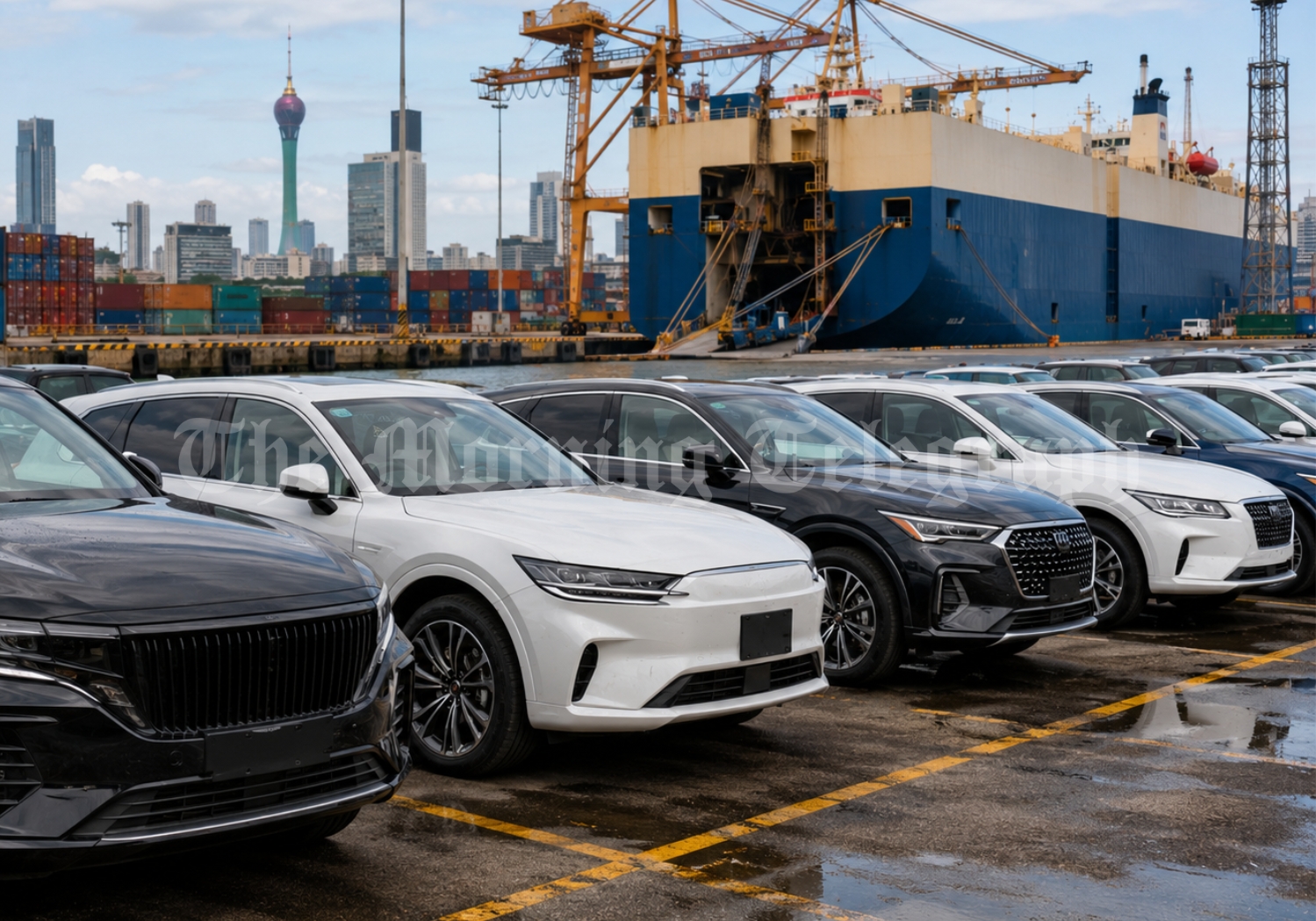
COLOMBO, Sri Lanka: Sri Lanka luxury vehicles imported since October 2025 have all been secondhand models, registration and customs records show.
The figures point to a major change in the island’s premium transport market. Although total automotive imports climbed to a 10-year high toward the end of last year, the high-end passenger segment depended fully on pre-owned stock to satisfy local demand.
Market reports show that small cars and pre-owned models accounted for 96 percent of recent registrations. Nearly 95 percent of those vehicles came from Japan.
Sri Lanka Luxury Vehicles Turn To Used Stock
Among the most common Sri Lanka luxury vehicles entering the market are pre-owned versions of the Toyota Harrier hybrid, Honda Vezel e:HEV crossover and Nissan X-Trail e-Power.
The trend also extends to ultra-luxury cars and premium SUVs. Models from Rolls-Royce, Bentley, Lamborghini and Porsche have entered Sri Lanka only as secondhand units.
This preference for used models comes as the government considers major regulatory changes. Officials have proposed restructuring vehicle import taxes to bring brand-new and used imports under a more unified tax framework.
Industry analysts say the move appears aimed at supporting fiscal consolidation while keeping vehicle imports within the country’s economic limits.
Even without brand-new luxury imports, passenger vehicle registrations, including sport utility vehicles and passenger vans, reached 68,323 units last year. That figure stands roughly 50 percent above the pre-pandemic baseline recorded in 2019.
The shift has also delivered a major revenue boost for the state. Economic Development Deputy Minister Nishantha Jayaweera said vehicle import taxes generated about 904 billion rupees for the government last year, far above initial budget forecasts.
Industry groups warn that further tax revisions could trigger unprecedented price increases across both new imports and existing stockpiles.
However, financial analysts say Sri Lanka’s economy has benefited from the high taxation framework, which helped stabilize gross domestic product without putting excessive pressure on foreign exchange reserves.
Official information on import procedures, vehicle registration and fiscal policy is available through Sri Lanka Customs, the Department of Motor Traffic and the Ministry of Finance.