By Roy Denish.
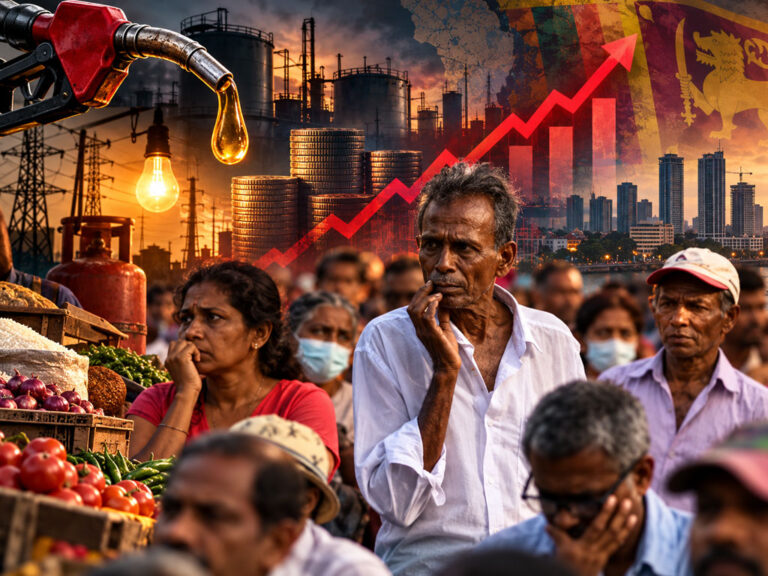
Sri Lanka consumer prices have moved from deflationary relief to renewed pressure as food, fuel, liquor and cigarette costs rise under the AKD Presidency.
Sri Lanka consumer prices have moved through sharply different phases since Anura Kumara Dissanayake assumed the presidency in September 2024, with essential goods showing one pattern and regulated products such as liquor and cigarettes showing another.
AKD Presidency And Sri Lanka Consumer Prices
The wider macroeconomic environment first gave consumers major relief. Through much of 2025, domestic markets experienced a long period of downward price stability and mild deflation.
This easing came after energy price reductions, a stable and appreciating Sri Lankan Rupee, and tighter fiscal oversight. As a result, headline inflation on the Colombo Consumer Price Index moved into negative territory.
From early to mid-2025, year-on-year headline deflation remained between -4.2% and -0.3%. For ordinary consumers, this brought noticeable stability in basic household goods. It also helped stop the severe inflationary spikes seen in previous years.
The stronger currency also helped imported goods. Items such as canned food, sugar, and milk powder remained relatively stable. Meanwhile, domestic agricultural markets mostly followed normal seasonal supply patterns.
However, this period of relief did not last without pressure. From April 2026, external shocks and domestic weaknesses began pushing prices upward again.
Year-on-year headline inflation rose from 2.2% in March to 5.4% in April. By June 2026, it had reached 6.8%. This sharp movement showed that price stability remained vulnerable to global and local shocks.
Food And Fuel Pressures Return
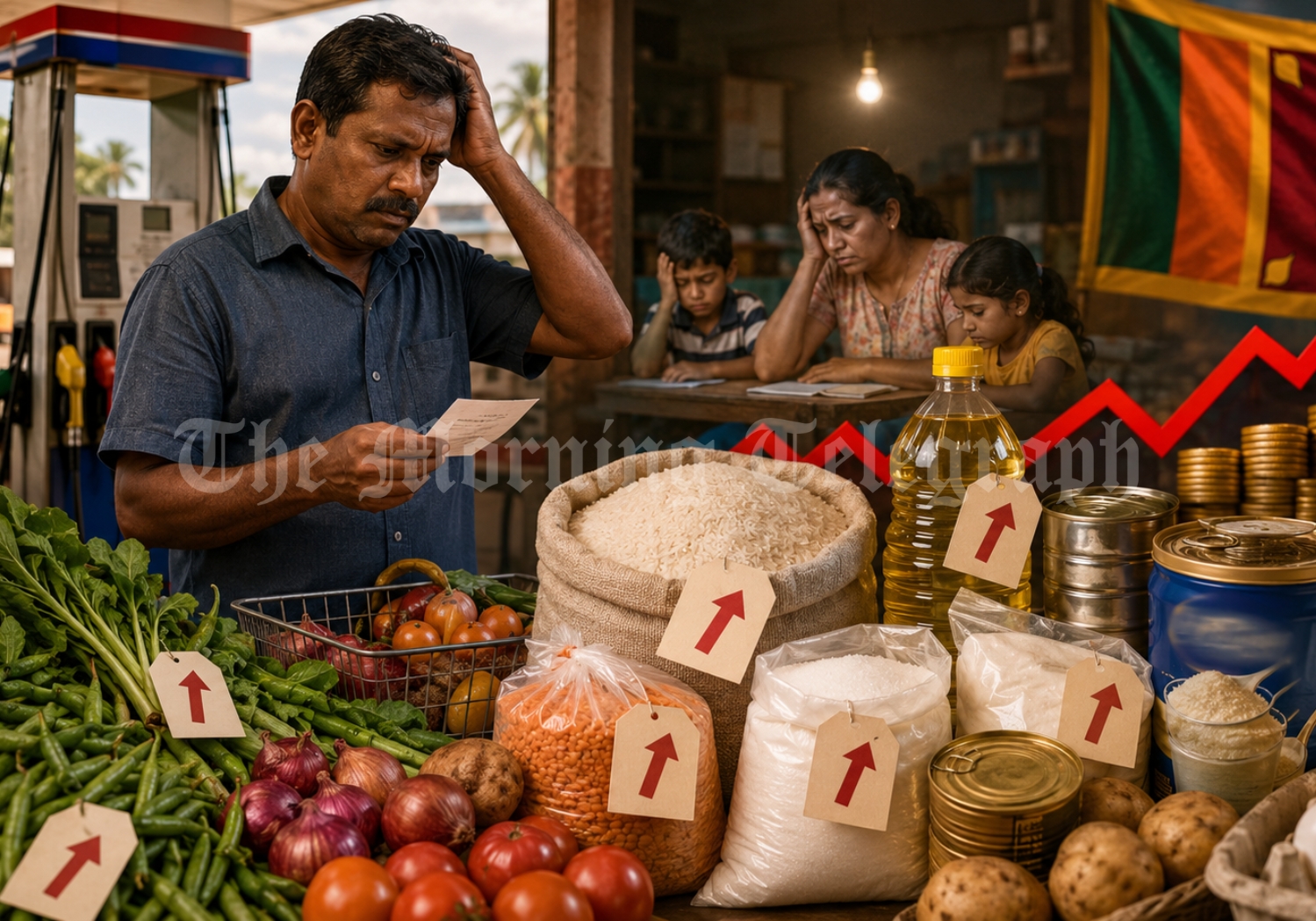
Several structural bottlenecks drove the new rise in commodity prices. Intensified conflict in the Middle East pushed global oil and energy prices upward. Those increases quickly affected Sri Lanka’s transport sector.
Higher transport costs also raised logistics and distribution expenses. As a result, the cost of bringing goods to market increased, adding pressure to retail prices.
At the same time, severe flooding and landslides in late November 2025 continued to affect agricultural output into early 2026. These delayed effects created local supply volatility and placed further pressure on food markets.
Rigid supply chains also kept prices high for everyday consumers. Heavy intermediary margins meant retail prices often stayed elevated, even when wholesale prices dropped sharply at central economic hubs such as Meegoda and Dambulla.
Consequently, food inflation followed the same upward path. It rose from a low of 0.7% in March 2026 to 3.6% by June 2026.
Taxes Push Liquor And Cigarette Prices Higher
While essential food items received temporary relief during the deflationary phase, non-essential goods moved differently. Liquor and cigarettes continued to face steady price increases.
These increases came mainly from revenue-mobilization policies and fiscal adjustments. They did not reflect ordinary market supply dynamics in the same way as food prices.
A key policy shift came early in the administration. Gazette Extraordinary Notifications issued by the president, in his role as Minister of Finance, changed excise duties across major excisable goods.
Effective January 11, 2025, the government imposed a uniform 5.9% increase on excise duties. The increase covered alcohol, tobacco products, and sweetened beverages.
The excise duty changes focused heavily on pure alcohol volume. This raised retail liquor prices significantly.
Under the revised structure, special arrack carried heavy taxation per litre of pure alcohol. Country-made foreign spirits such as whisky, gin, and vodka faced an even higher tax tier. This pushed many standard retail bottles into premium pricing levels.
Malt liquor and beer also faced alcohol-based taxation. Beverages up to 5% alcohol by volume came under one rate, while strong beers faced a higher rate.
These tax revisions kept liquor prices high throughout 2025 and 2026. They also pushed many consumers toward lower-alcohol products or cheaper local varieties as they tried to manage personal spending.
Tobacco Market Faces Tax Pressure
The tobacco sector faced both heavy taxation and strong market resistance. After the first tax increases, legal cigarette manufacturers reported repeated drops in sales volumes. This showed a clear reduction in stick consumption.
Public health policy and independent research point to another issue. Global health guidelines recommend that tobacco taxes should make up 75% of the retail price. However, popular cigarette tiers in Sri Lanka have remained at a tax share of around 68.8%.
The current tax model also keeps a tiered structure based on cigarette length. It does not use a fully flat uniform tax.
Because of this, many consumers did not quit completely after prices rose. Instead, they shifted to cheaper and shorter cigarette variants.
To limit this revenue leakage and further discourage smoking, the administration has considered tougher policy steps. These include proposals to ban the retail sale of single cigarettes.
Such a ban would remove low-barrier access to tobacco. It would also force consumers to buy full packs instead of individual sticks.
The AKD-era price story therefore shows two realities. Basic goods enjoyed a period of relief before global energy pressures, weather shocks, and supply chain weaknesses pushed inflation back up. Meanwhile, liquor and cigarettes became more expensive through deliberate tax policy, making Sri Lanka consumer prices a central economic and political issue.