By Roy Denish.
UNSC reform debate puts South Asia’s representation in focus as Pakistan backs elected seats and Sri Lanka weighs regional balance and autonomy.
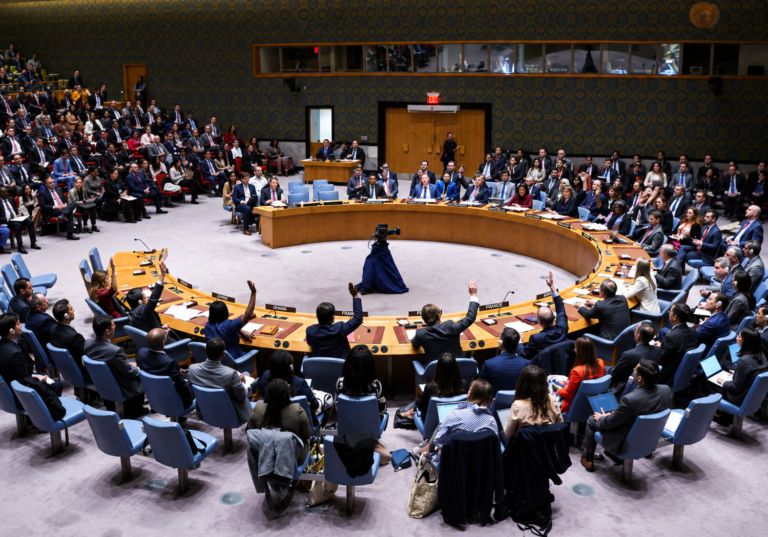
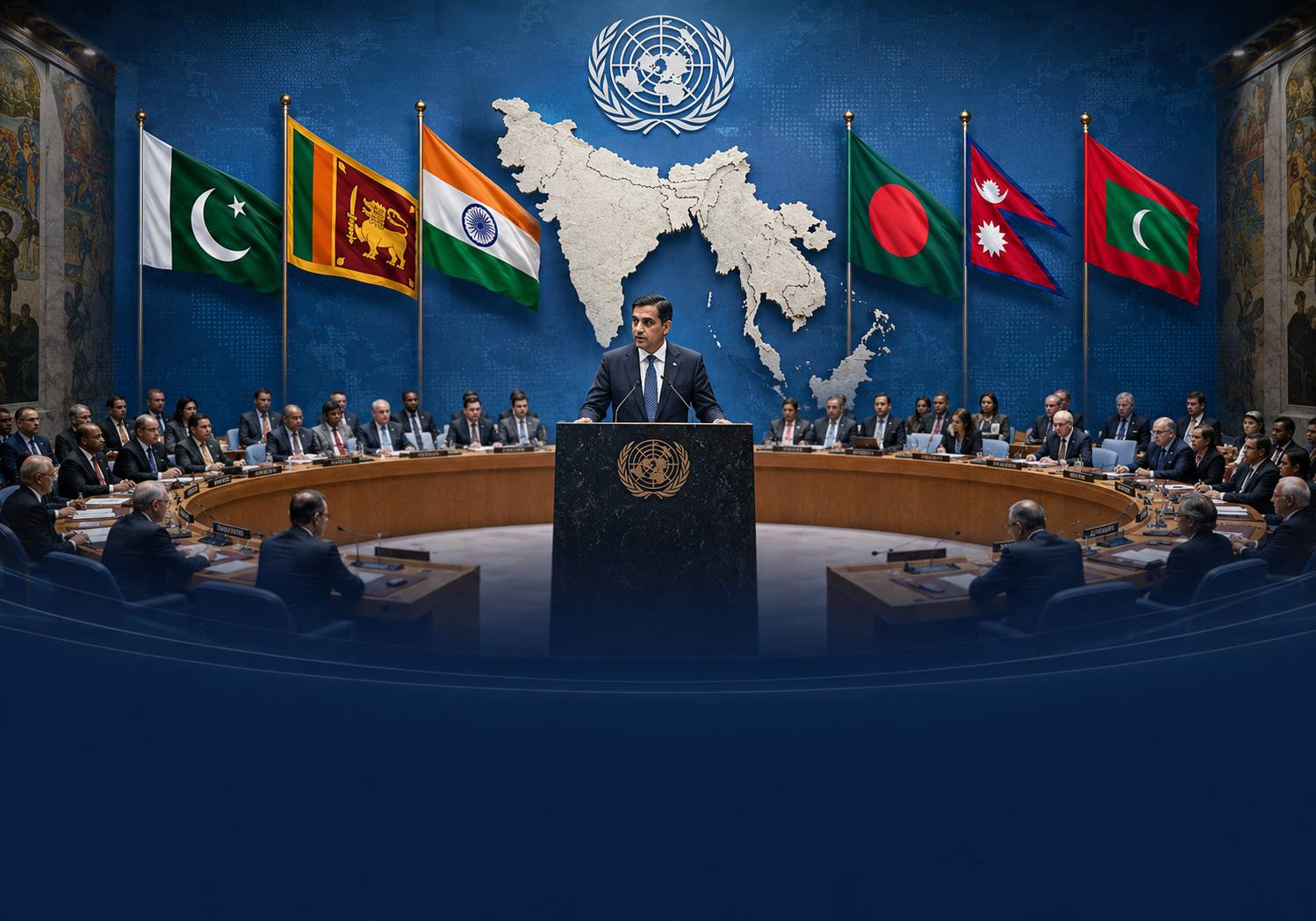
Pakistan’s push for UNSC reform has renewed debate over how South Asia’s diverse voices should be represented within the United Nations Security Council. In mid-August 2026, Pakistan’s Permanent Representative to the UN, Ambassador Asim Iftikhar Ahmad, discussed the G4 proposal involving India, Germany, Japan and Brazil, while stressing the need for inclusive and democratic decision-making at the Security Council in New York.
Islamabad supports the Uniting for Consensus model, which favors expanding elected, non-permanent seats rather than creating new permanent seats with concentrated veto power. Pakistan argues that such an approach could broaden international representation and make the Council more responsive to the wider UN membership.

UNSC Reform and South Asia’s Smaller States
For Sri Lanka, Bangladesh, Nepal and the Maldives, the debate creates an opportunity to consider how regional influence can grow without weakening national autonomy. Supporters of expanded leadership point to South Asia’s large populations, growing economies and contributions to UN peacekeeping as reasons for a stronger Global South voice.
However, advocates of a more balanced model emphasize institutional equality and a multipolar system in which smaller states retain meaningful diplomatic space. Such an approach could help preserve national leverage while encouraging broader regional cooperation.
Sri Lanka Seeks Balance in Regional Diplomacy
For Sri Lanka, diplomatic balance remains central to foreign policy. Close economic, political and security cooperation with India is essential, while the 1987 Indo-Lanka Accord and the deployment of the Indian Peace Keeping Force remain important reminders of how regional power dynamics can directly affect smaller neighbors.
Colombo therefore has an interest in comprehensive UNSC reform that respects the sovereign equality of all member states. The challenge is to support stronger representation for South Asia while ensuring smaller nations retain an independent foreign policy and a meaningful voice in global decision-making.