By Roy Denish.
Iranian ships stranded off Sri Lanka face food, water and fuel shortages as Colombo weighs humanitarian assistance against possible US sanctions.
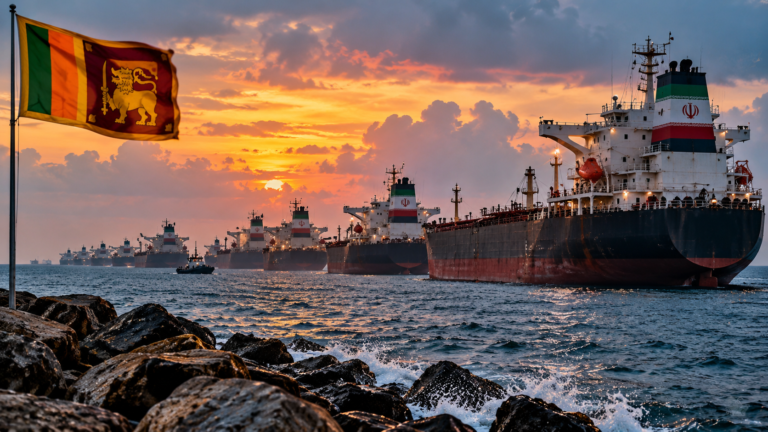
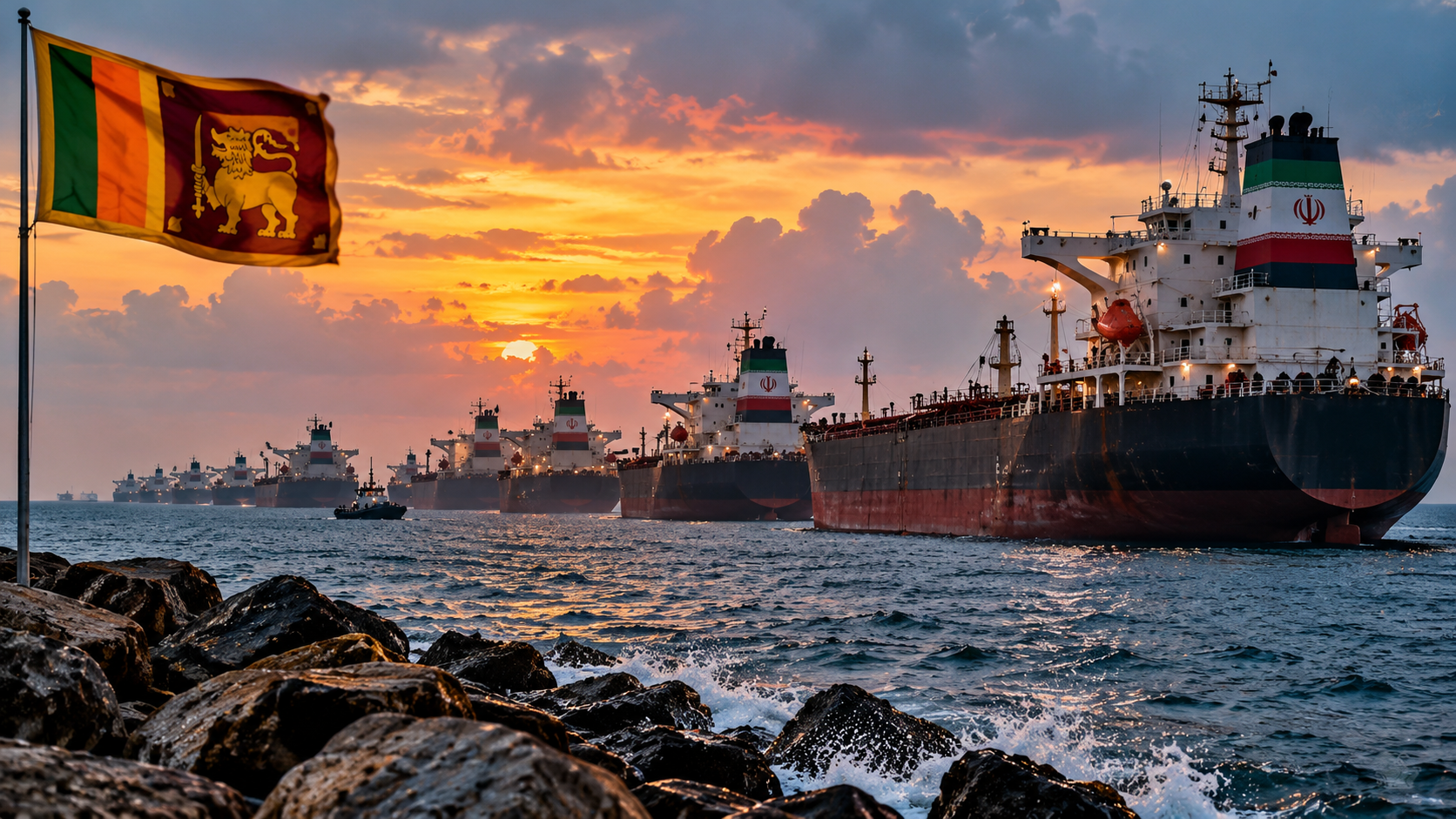
COLOMBO – Sri Lanka has no immediate plans to assist 19 Iranian vessels anchored in international waters near its coastline, despite reported shortages of food, drinking water and fuel, as concerns over possible US sanctions complicate efforts to supply the ships.
Foreign Ministry spokesman Thushara Rodrigo said on 9 October that the vessels were positioned approximately 24 nautical miles from Sri Lanka’s coast and that any government decision to provide assistance would be guided by the country’s national interests.

Rodrigo acknowledged that private maritime suppliers were aware of the potential consequences of US secondary sanctions, which can affect foreign companies conducting certain transactions with sanctioned entities.
He maintained, however, that Washington had not directly communicated any warning to Sri Lanka about the consequences of assisting the vessels.
The remarks underline the increasingly difficult position facing Colombo as it attempts to balance its diplomatic relationships, commercial interests and humanitarian considerations amid the conflict involving Iran and the United States.
Reports of American Pressure
The dispute has attracted international attention following reports that US diplomatic officials privately pressed Sri Lanka to prevent local companies from providing services to Iranian ships.
According to reporting attributed to The Wall Street Journal, the US Embassy in Colombo raised the issue with Sri Lankan officials in August, indicating that it was monitoring 19 Iranian tankers off the island’s western coast.
The report further stated that the Sri Lanka Ports Authority concluded in a September internal memorandum that providing services to Iranian-flagged vessels was no longer prudent.
Those reported diplomatic communications and the contents of the alleged memorandum have not been independently authenticated by The Morning Telegraph.
Sri Lankan officials have publicly rejected suggestions that the government was acting under direct American orders.
Foreign Minister Vijitha Herath has maintained that Sri Lanka would safeguard its sovereignty, independence and neutrality when making decisions concerning the vessels.
He also indicated that the government remained prepared to intervene should humanitarian needs require assistance.
Herath reportedly identified 19 Iranian-flagged ships among a larger group of vessels positioned beyond Sri Lanka’s 12-nautical-mile territorial limit.
Food and Water Shortages Raise Humanitarian Concerns
The immediate concern is the welfare of the crews aboard the stranded vessels.
Reports indicate that some ships have been rationing freshwater and other essential supplies, while local service providers have become increasingly reluctant to accept supply requests.
The ships’ position outside Sri Lanka’s territorial waters complicates the government’s direct responsibility and practical ability to intervene.
Nevertheless, prolonged shortages of food, water and fuel could create serious humanitarian and maritime safety concerns.
The distinction between providing ordinary commercial services to sanctioned vessels and responding to an urgent humanitarian emergency is therefore central to the government’s assessment.
No comprehensive independently verified account of the number of crew members aboard the vessels, their medical conditions or their remaining supplies was available in the reporting reviewed.
Sri Lanka Faces a Difficult Diplomatic Choice
The confrontation over the vessels comes amid heightened regional insecurity following the outbreak of direct US-Israeli hostilities with Iran in February 2026.
In March, an Iranian naval vessel was sunk by a US submarine in waters off Sri Lanka, bringing the consequences of the conflict close to the island.
Sri Lanka subsequently became involved in responding to the humanitarian consequences of that maritime incident.
The broader situation leaves Colombo confronting competing considerations.
Assistance to Iranian vessels could expose private service providers to sanctions-related risks, depending on the vessels’ status, their ownership and the nature of the transactions.
Refusing assistance, particularly if conditions aboard deteriorate, could invite criticism over the treatment of civilian seafarers.
For now, the government’s publicly reported position remains one of caution, with no immediate assistance announced in the statements reviewed.
The unresolved question is whether worsening humanitarian conditions will prompt a change in policy before shortages aboard the ships become more serious.