By Dwayne Ferreira.
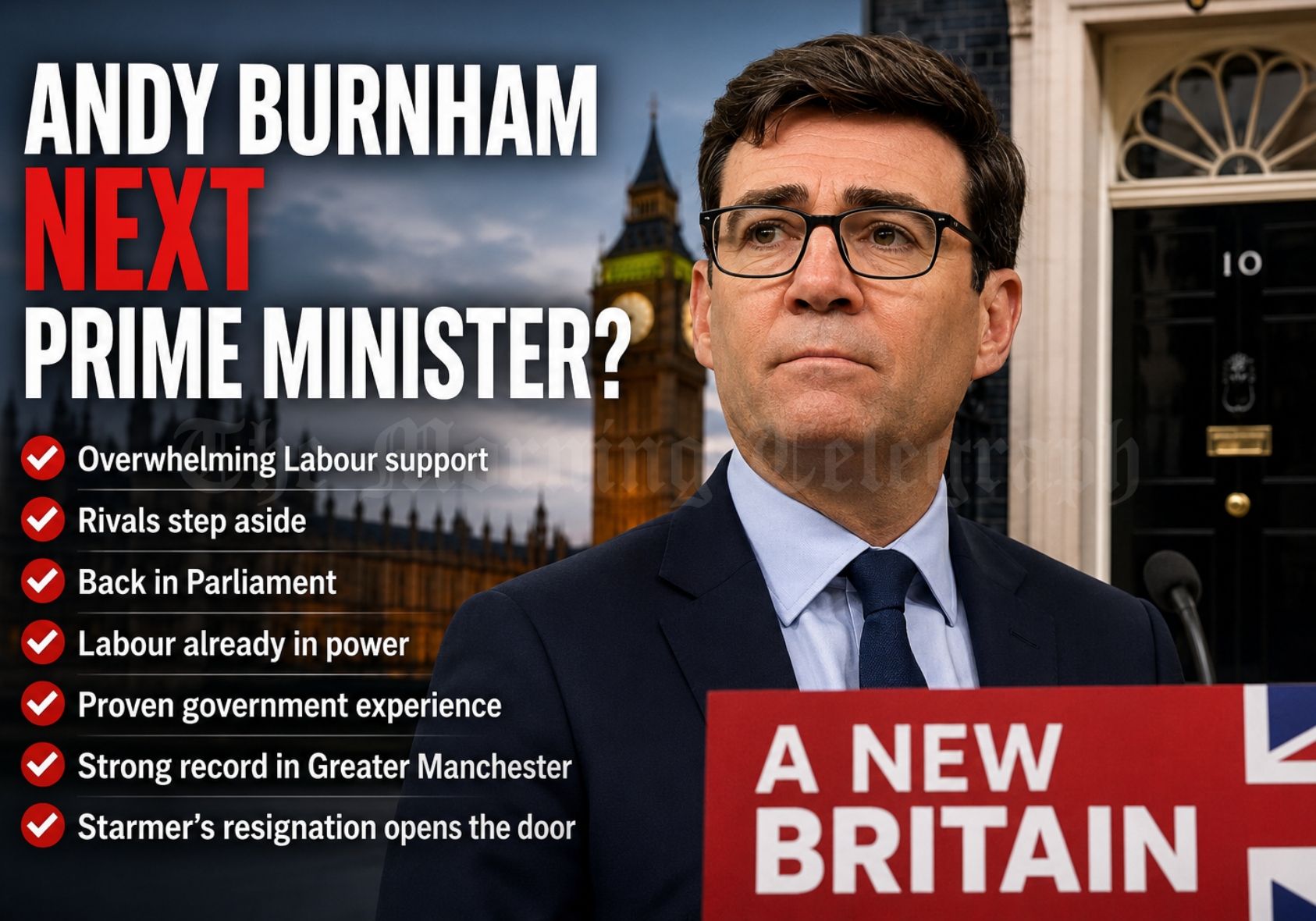
Andy Burnham is not Britain’s prime minister yet. However, overwhelming support from Labour MPs has placed the former Greater Manchester mayor on the brink of replacing Keir Starmer and entering 10 Downing Street.
LONDON – Burnham’s dramatic return to Westminster could soon carry him into 10 Downing Street. An overwhelming majority of Labour lawmakers supported him when leadership nominations opened.
However, Burnham is still a candidate for Labour leader. He is not yet Britain’s confirmed prime minister. His support makes victory highly likely, but the formal process remains unfinished.

Burnham secured nominations from 322 of Labour’s 403 MPs on Thursday. He ended the first day only one nomination short of making another candidacy mathematically impossible. Labour’s official nominations list also shows backing from MPs across the party.
Nominations close on Thursday, July 16. Labour is expected to confirm Burnham as leader on Friday, July 17. He could then become prime minister on Monday, July 20.
The UK government still lists Sir Keir Starmer as prime minister. Reports calling Burnham Britain’s next leader describe the expected outcome, not a completed appointment.
1. Andy Burnham Prime Minister Bid Wins Labour Support
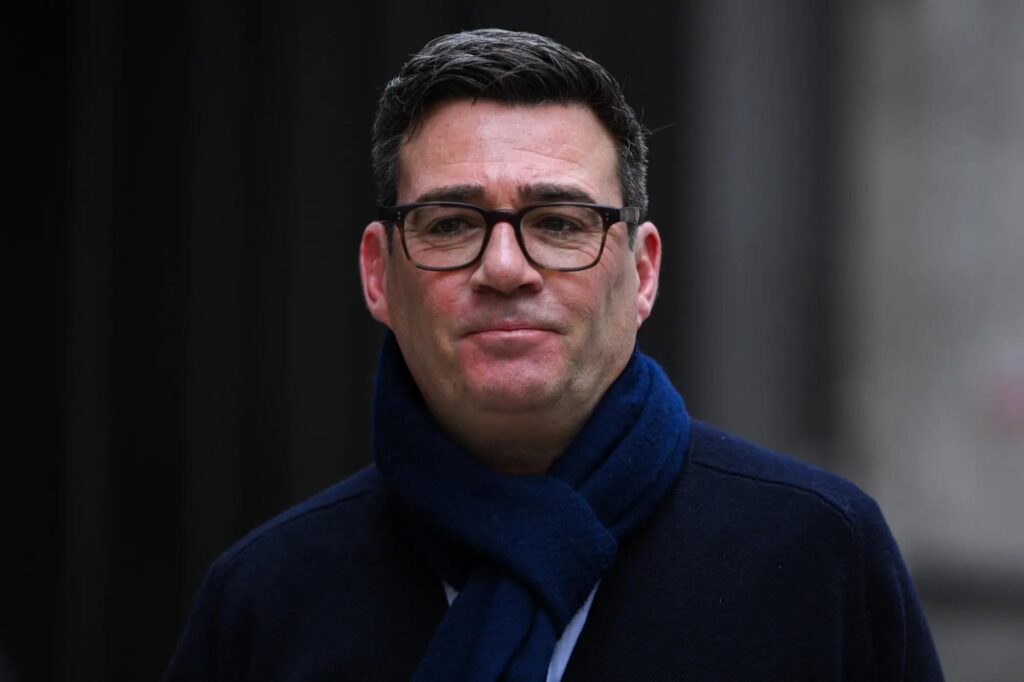
The strongest reason Burnham could become Britain’s next prime minister is the scale of his support within the Parliamentary Labour Party.
A candidate needs nominations from at least 81 Labour MPs. Burnham collected 322 on the first day, equal to roughly 80% of Labour’s MPs.
If he reaches 323 nominations, the remaining Labour MPs would be too few to give another contender the required 81. That would leave Burnham as the only qualifying candidate.
As a result, the Andy Burnham prime minister bid may avoid a long contest involving Labour members. The party could instead confirm him without a rival once nominations close.
Even so, Labour must complete its official process. Until then, Burnham remains the overwhelming frontrunner rather than the formally elected leader.
2. Potential Leadership Rivals Have Stepped Aside
Burnham’s route became much clearer after possible challengers ruled themselves out.
Al Carns, a former junior defence minister who had considered entering the race, announced that he would not stand against Burnham. Other Labour figures have either supported Burnham or declined to launch campaigns.
The absence of a serious challenger has changed the contest. Burnham is no longer simply the favourite. He is now likely to become the sole candidate who meets Labour’s nomination threshold.
However, nominations remain open until July 16, and Labour has not formally declared a winner.
3. His Westminster Comeback Removed a Major Barrier
Until June, Burnham faced an obvious obstacle. He was Mayor of Greater Manchester, but not a Member of Parliament.
That changed in the Makerfield by-election on June 18, 2026. Burnham won 24,927 votes, or 54.8% of ballots cast. He defeated Reform UK candidate Rob Kenyon by 9,231 votes.
The result returned Burnham to the House of Commons and gave him the parliamentary platform needed for a leadership challenge.
His election also immediately disqualified him from continuing as Greater Manchester mayor. The law allowed him to stand for Parliament while holding the mayoralty, but not to keep both offices after winning.
Burnham’s return therefore opened the route from regional leadership back to Westminster and potentially into Downing Street.
4. Labour Can Change Prime Minister Without an Election
Burnham would not need to win an immediate nationwide election to become prime minister.
British voters elect members of Parliament, not the prime minister directly. The monarch appoints the person best placed to command the confidence of the House of Commons.
Labour already controls the Commons. Therefore, its new leader would normally be able to lead the existing government.
Once Labour confirms a successor, Starmer is expected to resign. King Charles III could then invite the new Labour leader to form a government.
Britain’s parliamentary system allows governing parties to replace leaders between general elections. A leadership change does not automatically trigger a national vote.
Opposition parties may demand an election and argue that a new leader needs a public mandate. Legally, however, Labour can change prime minister without holding one immediately.
5. Burnham Brings Cabinet and Opposition Experience
Burnham is not a newcomer suddenly emerging from regional government.
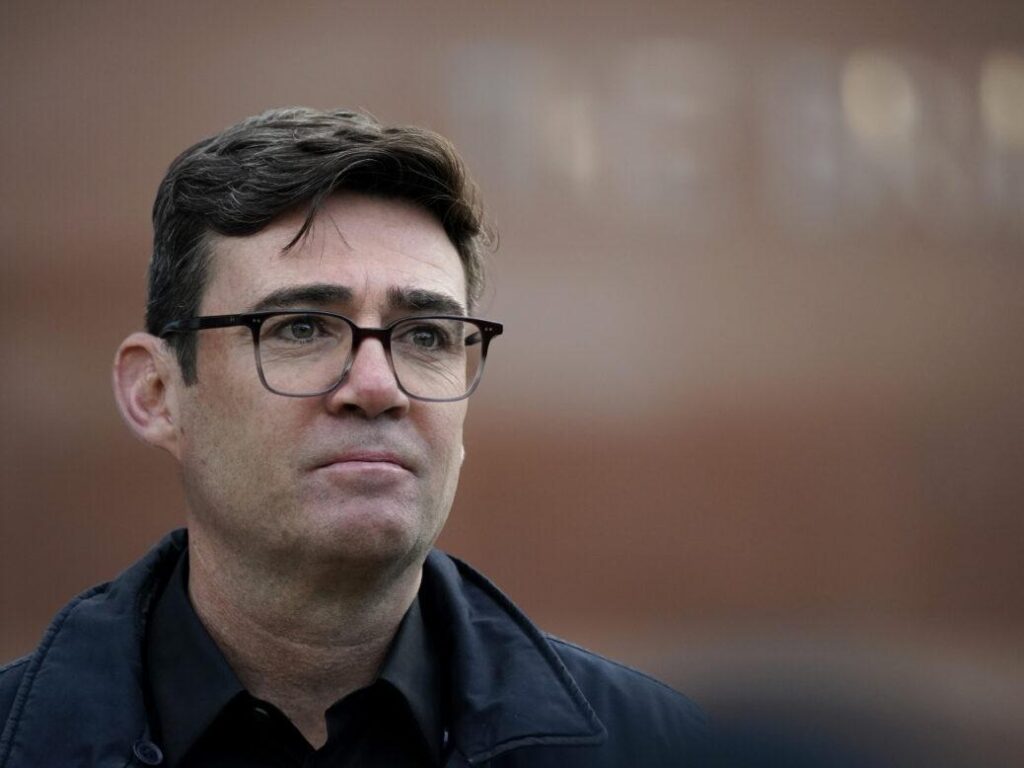
He represented Leigh in Parliament from 2001 until 2017. Under Labour governments, he served as Chief Secretary to the Treasury, Culture Secretary and Health Secretary.
In opposition, he held senior roles including shadow health secretary and shadow home secretary.
That record gives him experience of the Treasury, the National Health Service, national security and central government. It also separates him from regional leaders who have never served in Cabinet.
The Andy Burnham prime minister story is therefore both a rapid rise and a comeback. He spent almost a decade outside Westminster before returning with a realistic path to the country’s highest political office.
6. Greater Manchester Gave Him a National Identity
Burnham left Parliament in 2017 to become the first elected Mayor of Greater Manchester.
During his years in regional government, he built an image as a leader willing to challenge Westminster. He argued that London held too much political and economic power. Supporters dubbed him the “King of the North.”
His mayoral record became central to his identity. Burnham presented himself as a practical regional leader focused on transport, housing, homelessness and cooperation between councils, businesses and communities.
That profile allowed him to appear experienced while remaining partly separate from the Westminster establishment.
Burnham now wants to apply that regional approach nationally. His “Manchesterism” agenda would move more authority from London, expand social housing, support British industry and give local leaders greater influence over transport, utilities, education and investment.
7. Starmer’s Resignation Created the Opening
Burnham’s rise followed Starmer’s announcement in June that he would resign once Labour selected a successor.
Starmer faced growing pressure after Labour performed poorly in May’s local elections. The result increased calls from Labour MPs for a change in leadership and political direction.
Burnham’s return to Parliament gave the party a recognisable replacement. Supporters believe he can appeal to traditional Labour voters, regional communities and people concerned about Reform UK’s rise.
They also argue that his direct style and focus on regional inequality could reconnect Labour with voters who feel neglected by London.
What Could an Andy Burnham Government Do?
Burnham has promised a major rebalancing of Britain’s political and economic power.
His plans include a large social-housing programme, more regional control over utilities, renewed industrial investment and stronger support for young people entering work. He has also proposed a Manchester-based “Number 10 North” team focused on housing, utility reform and reindustrialisation.
At the same time, Burnham has promised to follow the government’s existing fiscal rules. That commitment aims to reassure financial markets that his programme would not depend on uncontrolled borrowing.
Critics say his plans still lack detail. They also question whether he can deliver ambitious spending commitments within tight public-finance limits.
Meanwhile, opposition politicians have demanded a general election. They argue that Burnham should seek a direct national mandate before implementing a new programme.
Is Andy Burnham Definitely Britain’s Next Prime Minister?
Not officially.
As of July 10, 2026, Burnham remains the Labour leadership candidate with overwhelming parliamentary support. His 322 nominations make a successful challenge extremely unlikely, but they do not complete the process.
Labour must close nominations and formally confirm its new leader. Starmer must then resign. Finally, the King must appoint the person who can command the confidence of the Commons.
The accurate conclusion is clear. Burnham is still a candidate, but the Andy Burnham prime minister bid is overwhelmingly likely to succeed unless the process takes an unexpected turn.