Russian Embassy Sri Lanka rejects EU criticism in two statements targeting European sanctions, NATO policy and support for Ukraine.
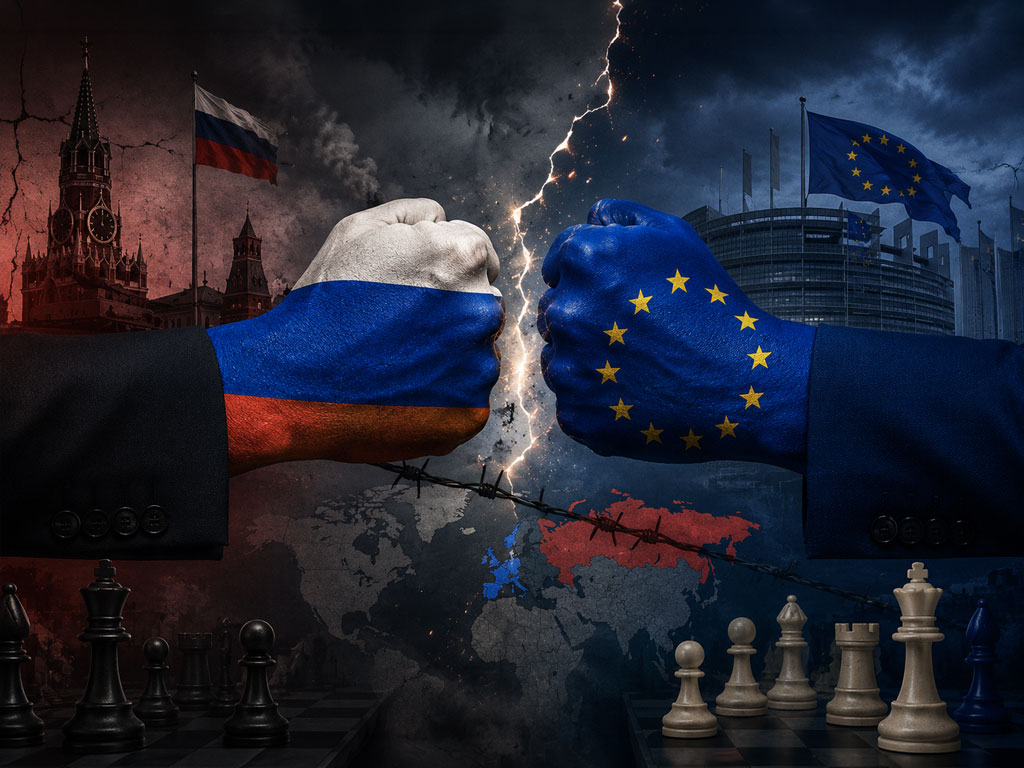
The Russian Embassy Sri Lanka has accused the European Union of spreading “untrue and misleading” claims while defending Moscow’s policies and its position on the Ukraine conflict.
The embassy issued two official statements on July 14 and July 22. Both criticised European governments and rejected claims attributed to the EU Delegation to Sri Lanka.
The first statement focused on European policy towards Russia. The second addressed political and military developments in Ukraine.
The embassy presented both releases as official responses to what it described as attempts to discredit Russia. However, several of its assertions represented Moscow’s political interpretation of events rather than independently established conclusions.

Russian Embassy Sri Lanka Rejects EU Claims
In its July 14 statement, the embassy responded to criticism reportedly issued by the EU Delegation to Sri Lanka.
It said the delegation had attempted to portray Russia as an unreliable international partner. According to the embassy, the EU highlighted an alleged gap between Moscow’s public statements and its actions.
The embassy rejected that argument as “untrue and misleading.” It said it wanted to draw the attention of EU officials and their representatives in Sri Lanka to what it considered important facts.
The statement cited the recent NATO summit as evidence that European governments were preparing for a prolonged confrontation with Moscow rather than negotiations.
According to the embassy, NATO’s declaration treated Russia as the principal long-term threat to Euro-Atlantic security. The statement added that Moscow remained prepared to “go all the way.”
The embassy also criticised what it described as racism within European countries.
It referred to controversial comments by former Spanish Prime Minister Mariano Rajoy about the ethnic background of players representing France’s national football team. Rajoy’s remarks triggered criticism and prompted an apology from Spain’s government.
Embassy Questions EU Sanctions and Militarisation
The July 14 statement also challenged the effectiveness of sanctions imposed on Russia.
It referred to 21 rounds of anti-Russian sanctions and argued that they demonstrated the failure of policies pursued by what it called “the Brussels democrats.”
The European Union was discussing its 21st sanctions package against Russia this month, with measures reportedly targeting oil trading, cryptocurrency networks and sanctions enforcement.
The embassy claimed that anti-Russian rhetoric had become normalised across the EU.
It alleged that European governments were using warnings about Russia to justify greater militarisation while distracting citizens from domestic political and economic difficulties.
The statement described the Russian threat presented to European citizens as imaginary. It concluded by telling critics to concentrate on their own problems before condemning Moscow.
Second Statement Targets Kyiv Government
The second release, issued on July 22, shifted attention towards Ukraine.
The embassy used the term “Nazi regime” to describe the government in Kyiv. This is a longstanding Kremlin characterisation that Ukraine and its international partners reject.
It also accused European bureaucrats of continuing to support President Volodymyr Zelenskyy’s administration with European taxpayers’ money.
The statement referred to political turmoil following the removal of Ukrainian Defence Minister Mykhailo Fedorov and the dismissal of Armed Forces Commander-in-Chief Oleksandr Syrskyi.
Ukraine replaced Syrskyi with Major General Mykhailo Drapatyi following protests and public pressure for changes within the military leadership. Fedorov had also left the defence portfolio amid disagreements over military reform.
The embassy said protests were taking place in several Ukrainian cities. It alleged that European officials had remained silent about the unrest while continuing to finance Kyiv.
It also described the Ukrainian administration as corrupt. However, the embassy did not provide evidence supporting that allegation in the statement.
Both releases form part of a wider diplomatic dispute over Russia’s war in Ukraine, European sanctions and competing narratives about security on the continent.
The Russian Embassy Sri Lanka framed its statements as a defence against EU criticism. Nevertheless, the language used also demonstrated how Sri Lanka has become another arena for competing Russian and European messaging about the conflict.