By Roy Denish.
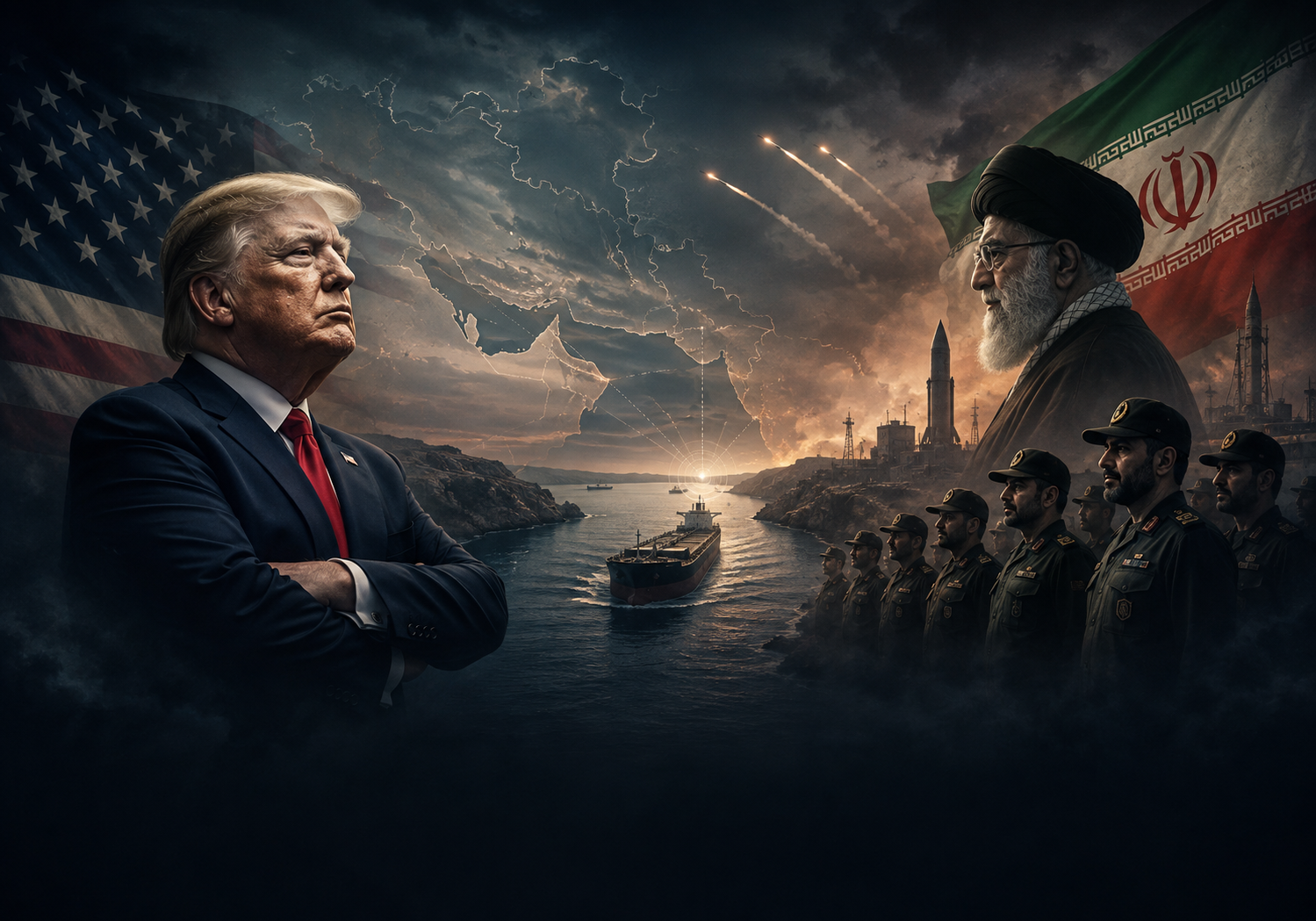
The Trump Iran conflict deepens as Tehran rejects US peace claims, retains leverage over Hormuz and increases pressure before the midterms.
Donald Trump’s approach to the Trump Iran conflict has exposed the limits of his political strategy. The US president, whose playbook was shaped by mentor Roy Cohn, has long followed one rule: declare total victory and never acknowledge defeat. However, Iran’s leadership has proved just as unwilling to retreat.
After Trump claimed that new peace negotiations were about to begin, Tehran quickly rejected his account. Iran maintained pressure around the strategic Strait of Hormuz and continued ballistic missile attacks on regional US installations. Those moves allowed Tehran to seize the initiative as the conflict remained deadlocked.
Get
Breaking News
First
on WhatsApp
Follow The Morning Telegraph for instant alerts, top stories and exclusive updates delivered straight to your phone.

With the global energy crisis worsening and the US midterm elections approaching, the Trump administration faces growing pressure to secure a breakthrough. Conflict Talks Face Immediate Denial
Soon after Trump announced that peace talks were imminent, Iranian officials dismissed the claim. Writing on Truth Social, Trump accused Tehran of “unbelievable duplicity.” He said Iranian leaders had requested a meeting and insisted negotiations were already underway.
Trump also declared that Washington would accept nothing less than a complete agreement or Iran’s total surrender.
The president has repeatedly suggested that a deal is only days away. His administration urgently wants to reopen the Strait of Hormuz and find an exit from the widening crisis. After briefly threatening severe military strikes, Trump changed his tone over the weekend. He then claimed that both sides had agreed on parameters for reopening the waterway and denuclearising Iran.
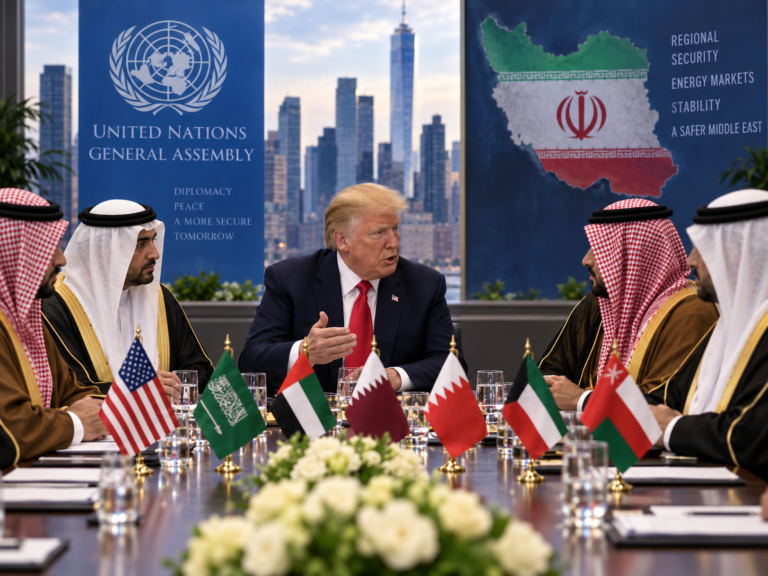
However, Iranian Foreign Ministry spokesperson Esmaeil Baqaei rejected that version of events. He said Iran was negotiating only with Oman, not the United States, over arrangements for commercial shipping.
Baqaei also warned that even a successful agreement with Oman would not restore the Strait of Hormuz to its pre-war status. That position ensures the waterway remains one of Tehran’s strongest geopolitical pressure points. ssure Raises Political Stakes for Trump
Neither side has fundamentally changed its position since the previous diplomatic stalemate. Iran still has the ability to restrict movement through the Strait of Hormuz, which carries about one-fifth of the world’s oil supply.
The United States retains overwhelming strike power. However, Washington faces pressure on vital ammunition stockpiles needed for other potential threats, including China. It also lacks sufficiently decisive targets to force a fundamental change in Tehran’s conduct.
Political pressure is also rising at home. With three months remaining before the midterm elections, Republicans face possible losses. A Reuters/Ipsos poll found that fewer than one-third of Americans supported the Iran conflict. Meanwhile, 69% said Trump had failed to clearly explain the objectives of US military involvement. strategic unpredictability, regional proxies and oil-supply disruption to strengthen its bargaining position. Analysts say Tehran wants to maximise pressure on Washington and its allies, believing the United States remains unwilling to offer acceptable terms.
However, Iran also faces severe economic strain under a strict US blockade. That pressure may push Tehran to disrupt the diplomatic status quo further as it seeks a breakthrough on its own terms.
Credit: The Guardian