Judges retirement age changes would raise Supreme Court retirement to 67 and Court of Appeal retirement to 65 under a new amendment.
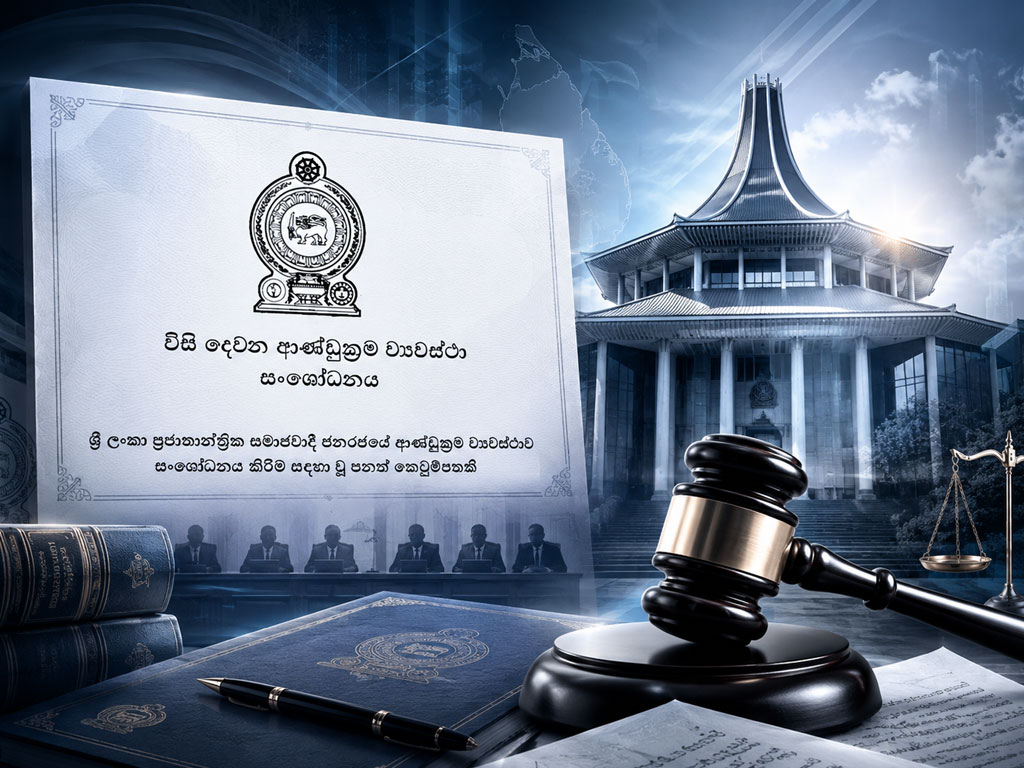
Sri Lanka’s proposed judges retirement age changes have moved forward with the publication of the draft Twenty-Second Amendment to the Constitution.
The draft bill was published through an extraordinary Gazette on August 7, 2026, on the direction of the Minister of Justice and National Integration.
The proposal introduces several significant changes affecting Sri Lanka’s superior courts, including judicial retirement ages and the number of Supreme Court judges.
Under the proposed amendment to Article 107, Supreme Court judges would retire at 67 instead of the current age of 65.
Get Breaking News First
on WhatsApp

Court of Appeal judges would meanwhile retire at 65, increasing the existing constitutional retirement age of 63. The current limits of 65 and 63 are set out in Article 107(5) of the Constitution.
The judges retirement age proposal has already attracted criticism from sections of the legal and civil society community over its implications for judicial independence.
A separate provision would govern the Chief Justice’s retirement.
Under the draft, the Chief Justice must leave office on whichever date comes first: reaching 67 years of age or completing six years from the date of appointment as Chief Justice.
The amendment also proposes changing Article 137 to expand the Supreme Court bench.
The existing constitutional ceiling of no more than 19 Supreme Court judges would rise to no more than 24.
The draft further states that the Sinhala text will prevail if inconsistencies arise between the Sinhala and Tamil versions.
According to the proposal, the changes aim to reduce the backlog of cases before the superior courts, accelerate hearings and improve judicial efficiency.
However, the debate over the judges retirement age is likely to continue as the constitutional amendment advances through Sri Lanka’s legislative process.