By Dwayne Ferreira.
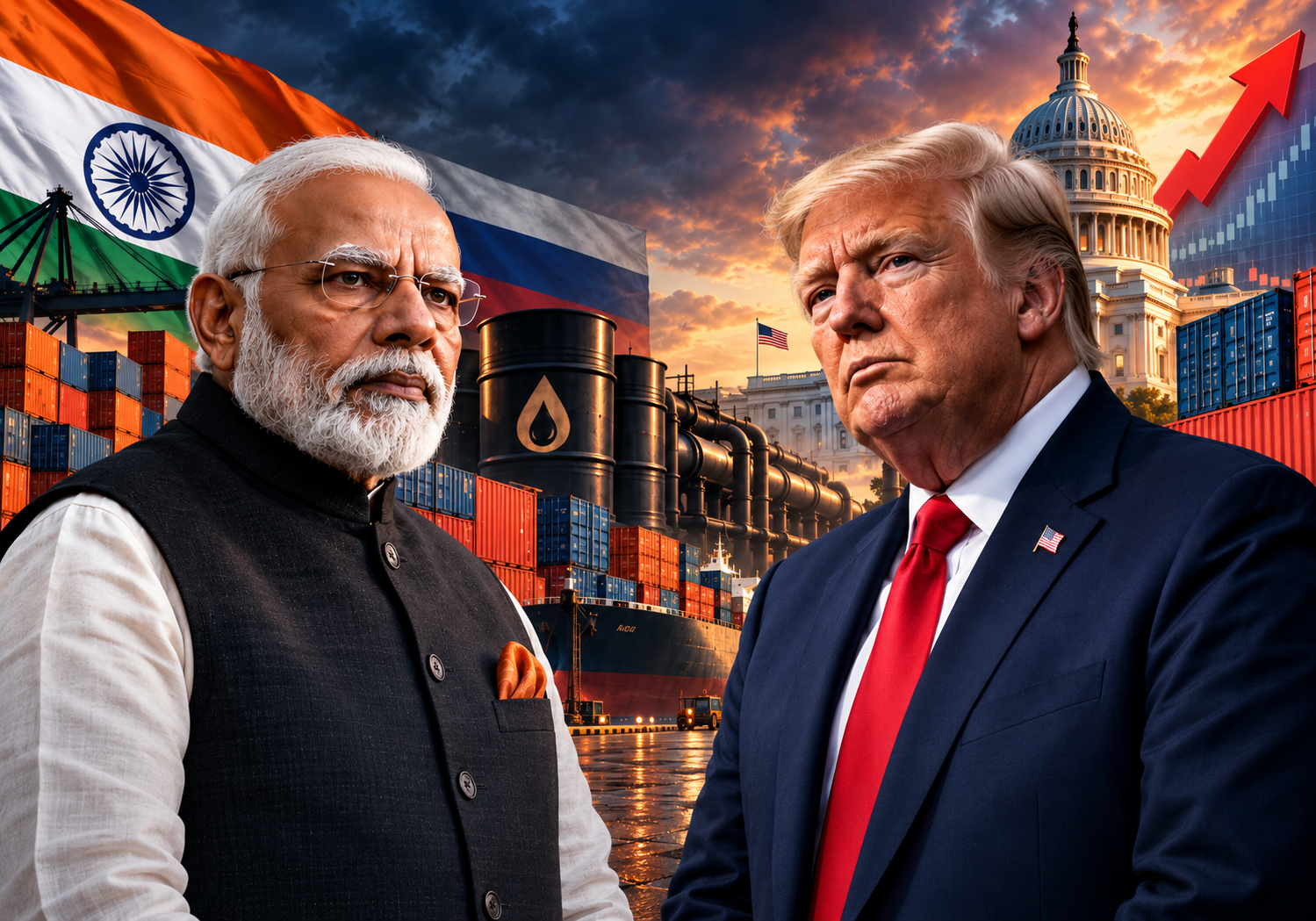
India and other major Russian energy buyers could face US tariffs of up to 100% after a Russia sanctions bill advanced in the House.
India could face US tariffs of up to 100% on certain trade if a sweeping Russia sanctions bill becomes law, after the United States House of Representatives advanced the legislation through a key procedural vote.
The measure moved forward by a narrow 214-211 vote on September 15, clearing the way for further debate and a final House vote.
Crucially, the vote does not mean a 100% tariff has already been imposed on India. The proposed legislation would grant the US administration authority to impose tariffs on major purchasers of Russian energy, subject to the final wording and implementation of the law.

India Among Major Russian Energy Buyers
The legislation, known as the Lindsey O. Graham Sanctioning Russia and Iran Act of 2026, is designed to increase economic pressure on Moscow over the continuing war in Ukraine.
The measure would permit tariffs of up to 100% against countries identified as major purchasers of Russian oil and natural gas.
India has been named alongside countries including China, Turkey and the United Arab Emirates in versions and amendments being debated in Congress.
Other reporting on the legislation identifies India, China, Slovakia, Hungary and Azerbaijan among the major Russian energy buyers that could be affected under certain provisions.
Tariffs Would Not Be Automatic
Even if the bill passes both chambers in an agreed form and becomes law, the maximum tariff would not necessarily take effect automatically.
The legislation would provide the administration with authority to impose additional trade measures, while the precise countries, products and tariff rates affected would depend on the final legislation and subsequent implementation.
The exact text remains politically contentious, with lawmakers debating amendments that could change which countries are covered and how much discretion the president would receive.
Bill Faces Opposition in Washington
The proposal has generated opposition from lawmakers in both major US parties.
Some Democrats have argued that the legislation could give President Donald Trump excessive authority to impose tariffs on US trading partners, while some Republicans have raised concerns about the economic consequences of further sanctions and possible effects on energy prices.
Other lawmakers argue that stronger sanctions are needed to reduce revenues flowing to Russia from international energy sales.
The Senate previously approved its version of the legislation by a wide margin, although differences between the House and Senate texts may still need to be reconciled.
Major Implications for India-US Trade
Any significant additional tariff on India could have consequences for the broader India-US commercial relationship, particularly if it affected major export categories.
India has significantly increased its purchases of Russian crude since the beginning of the Ukraine war, while arguing that its energy purchases are based on national energy-security and affordability considerations.
The developing legislation therefore places Russian energy trade at the centre of another potentially sensitive issue between Washington and New Delhi.
The House is expected to continue considering the bill on September 16, with its final wording and any adopted amendments determining the extent of the potential tariff powers.