By Dwayne Ferreira.
France widespread unrest continues as more than 2,400 people are arrested following violent protests, looting and clashes with police.
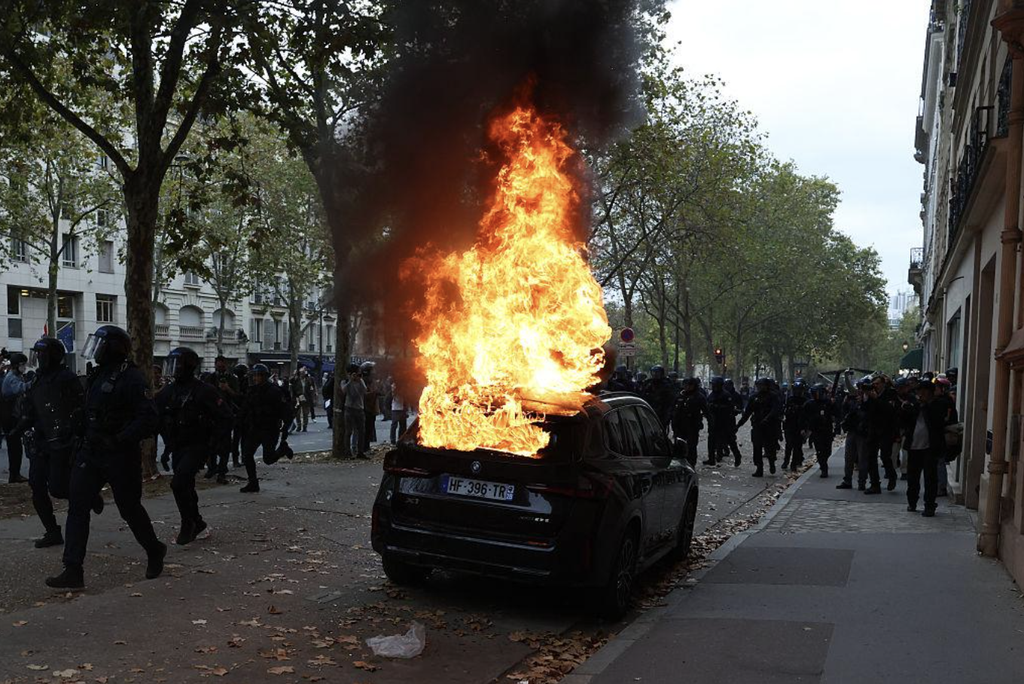
(Photo: Jorge Jaramillo / JJxFile.com / Wikimedia Commons.)
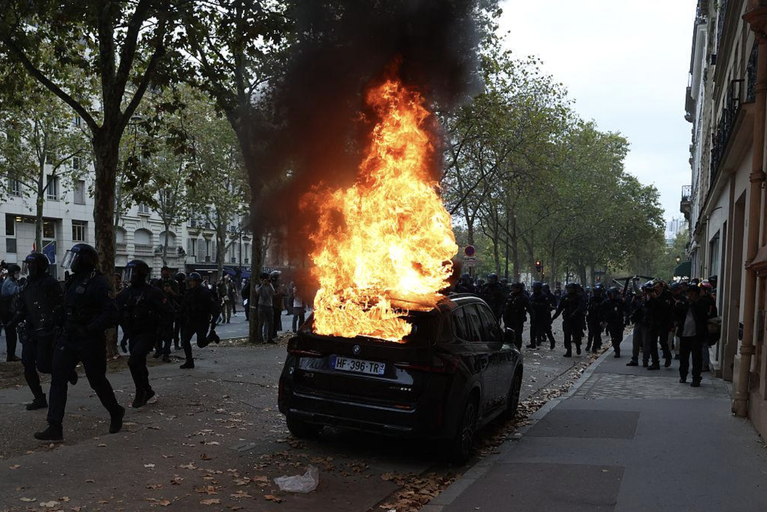
PARIS – France is confronting one of its most serious waves of civil unrest in years after nationwide demonstrations over the rising cost of living, deteriorating public services and education funding erupted into violent clashes, widespread looting and the destruction of public property.
More than 2,400 people have been arrested following days of unrest that have left cities scarred by fires, shattered shopfronts and damaged government buildings.
French President Emmanuel Macron has condemned those responsible for the violence, accusing disruptive groups of exploiting legitimate demonstrations to create chaos and undermine the authority of the state.

The disturbances have intensified scrutiny of Macron’s administration at a politically sensitive moment, raising questions about whether the French government can restore order while addressing the grievances that brought hundreds of thousands of demonstrators onto the streets.
Peaceful Protests Descend Into Widespread Violence
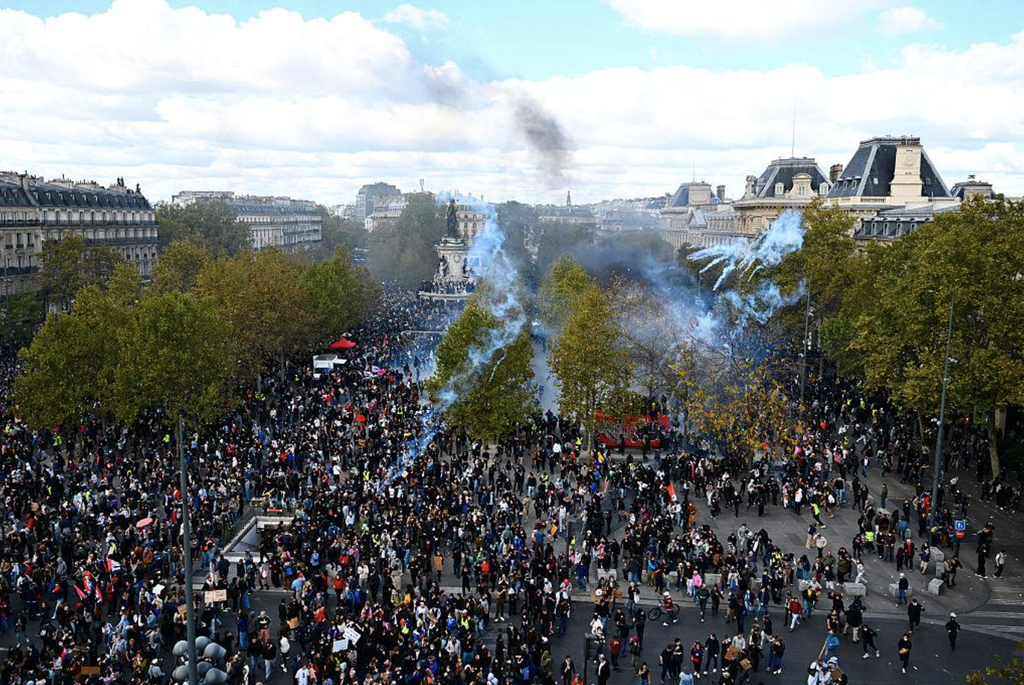
(Photo: Jorge Jaramillo / JJxFile.com / Wikimedia Commons)
The latest unrest followed protests organised around mounting household expenses, inadequate school resources and frustration with the delivery of public services.
According to Associated Press reporting, Saturday’s demonstrations attracted as many as 800,000 participants nationwide.
Although many demonstrations were peaceful, violent confrontations subsequently broke out in several cities, including Paris, Marseille, Lyon and Limoges.
Vehicles were set alight, commercial premises were looted and police officers confronted groups throwing projectiles.
One particularly serious incident occurred in Limoges, where the city’s historic town hall suffered extensive fire damage.
In Paris, residents and business owners were left surveying damaged properties and broken windows following clashes that disrupted normal commercial activity.
The scale of the destruction has prompted renewed criticism of the authorities’ ability to anticipate and contain violence during large public gatherings.
Macron Condemns Rioters as Government Faces Questions
Macron has drawn a distinction between citizens exercising their democratic right to protest and those engaged in violent criminal activity.
The president condemned individuals whom he accused of attempting to destabilise the French Republic and insisted that those responsible for destroying property must face accountability.
Government officials have attributed parts of the violence to radical far-left groups and opportunistic criminals.
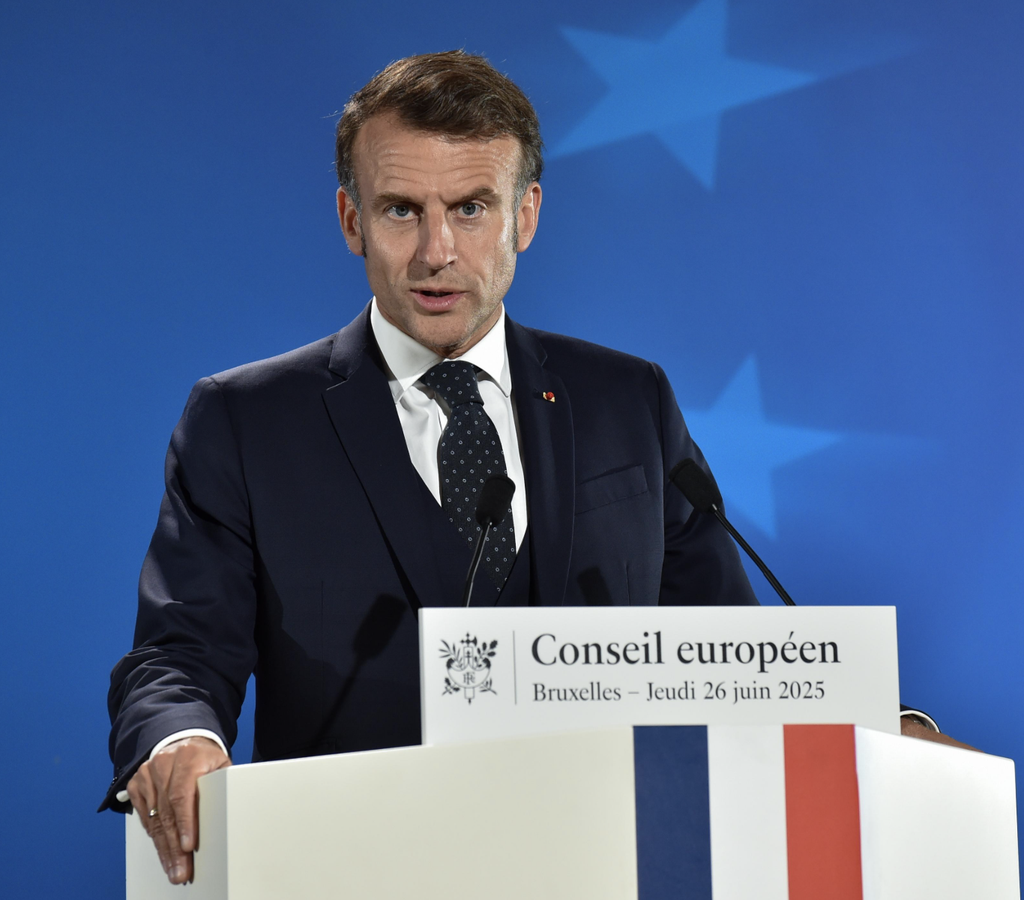
(Photo: European Union / Wikimedia Commons. File photograph.)
However, those explanations have not silenced critics who argue that France’s growing social tensions are rooted in deeper economic problems, political dissatisfaction and a breakdown in public confidence.
Opposition figures have questioned whether the administration’s approach to policing and public services contributed to the escalation.
The unrest has also raised serious concerns about crowd-control tactics.
Reports of injuries sustained by young demonstrators have intensified demands for independent investigations into allegations of excessive police force.
Police representatives, meanwhile, have highlighted the dangers faced by officers responding to violent groups.
These competing concerns have placed the government under pressure to demonstrate both effective law enforcement and respect for civil liberties.
A Nation Struggling With Economic Frustration
Behind the dramatic images of burning vehicles and confrontations lies a broader debate about France’s economic and social direction.
Rising living expenses have placed increasing strain on households, while concerns about school conditions and public investment have mobilised students, parents and community groups.
For many demonstrators, the protests represent an attempt to force political leaders to respond to problems they believe have been neglected.
Yet the violence has complicated that message.
Peaceful protesters have expressed frustration that looting and destruction are overshadowing legitimate demands for improved living standards and public services.
Businesses affected by vandalism face repair costs and lost revenue, adding further pressure to communities already experiencing economic difficulties.
What Happens Next?
French authorities face the immediate challenge of preventing further violence while investigating offences committed during the demonstrations.
The government must also contend with growing calls for greater accountability over policing and a clearer response to the grievances driving the protests.
For Macron, the crisis carries consequences beyond the damaged streets.
It represents another test of public confidence in an administration approaching the end of its presidential mandate.
Whether the unrest subsides or evolves into a sustained national protest movement will depend partly on the government’s willingness to address public concerns alongside restoring security.
For now, France is confronting an increasingly difficult question: how can a government restore order without deepening the anger that brought so many citizens onto the streets?
Reporting basis: Associated Press coverage of nationwide unrest, arrests, Macron’s response and policing concerns.