A shocking insider narrative challenges the official ‘hacker attack’ story, exposing alleged internal failures, suspicious email trails, and a deeper crisis within Sri Lanka’s financial governance system.
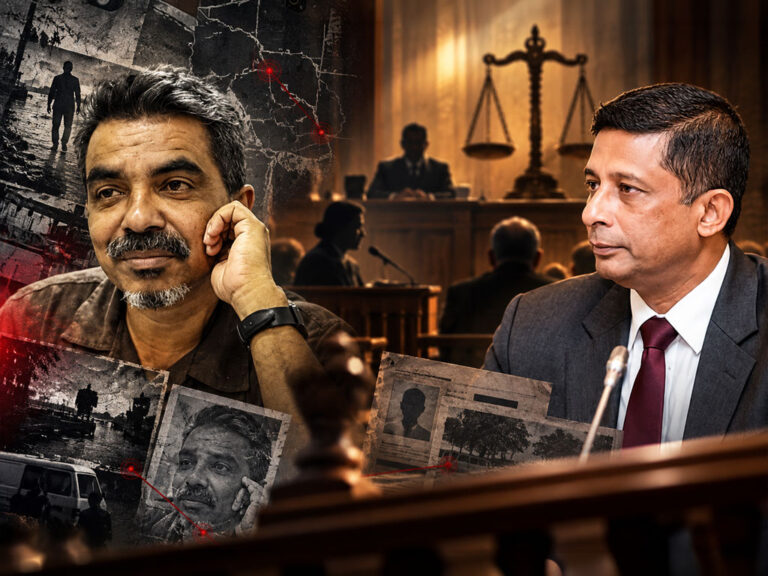
The controversy surrounding the misappropriation of $2.5 million, exceeding Rs. 80 crores, from Sri Lanka’s Treasury has taken a dramatic turn as former Governors and President’s Counsel Maithree Gunaratne and Rajitha Keerthi Tennakoon unveiled a series of troubling claims. The funds, originally intended for an Australian government institution, have now become the center of a growing financial scandal. Speaking during an interview on the “Truth with Chamuditha” platform, both figures questioned the official narrative and suggested a far more complex and alarming reality behind the transaction.

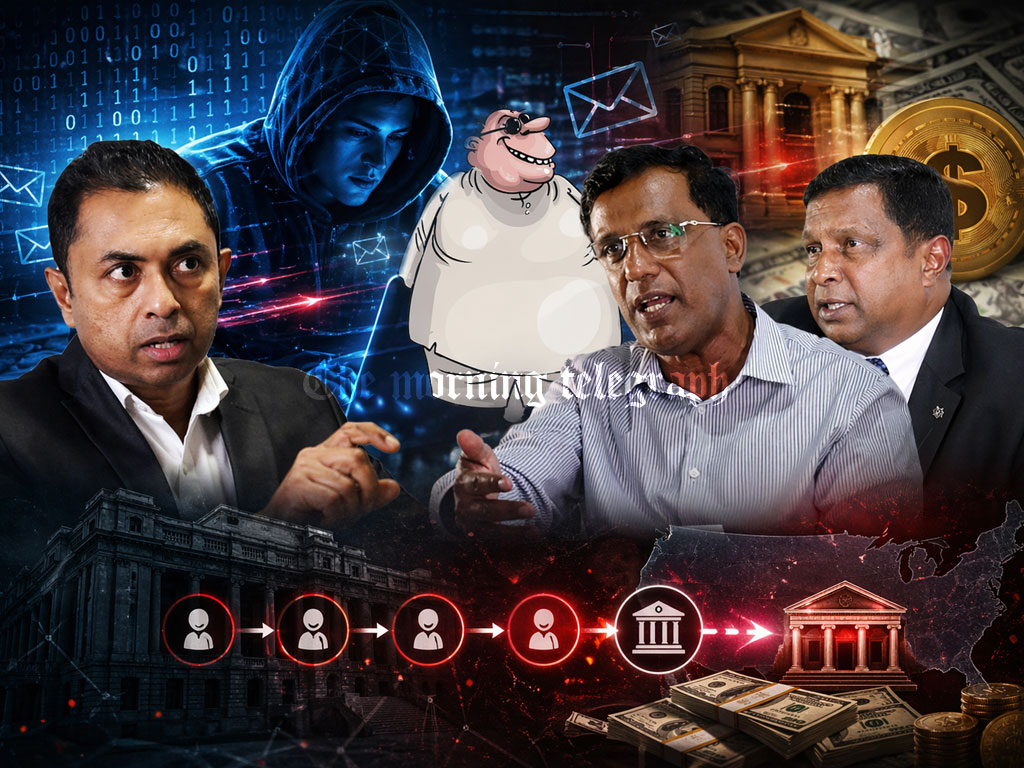
While the government has maintained that the financial loss resulted from a cyberattack carried out by hackers, Maithree Gunaratne firmly dismissed this explanation. He argued that the incident was not an external breach but rather an internally executed transaction within the Treasury system. According to him, labeling the event as a hacker attack diverts attention from what may actually be a deliberate or negligent act within the country’s financial administration structure.
Adding to the intrigue, the former Governors revealed that the email communications linked to the transaction lacked the formality expected in official financial dealings. They described the exchanges as unusually casual, resembling “love letters,” with phrases suggesting flexibility in payment timelines, including remarks such as “if you do not have the money, give it next week.” Such communication, they stressed, is highly irregular for transactions involving sovereign debt payments and raises serious concerns about procedural discipline and oversight.
They further explained that Treasury payments typically follow a rigorous multi-layered approval process involving at least 16 officials. This includes approvals through the Department of External Resources, the State Debt Management Department, and ultimately the Treasury Secretary. Despite these safeguards, it was revealed that all procedural steps were reportedly completed and the funds were released, intensifying suspicions that the system itself may have been compromised from within rather than externally breached.
The role of the current Treasury Secretary came under sharp criticism during the discussion. Rajitha Keerthi Tennakoon pointed out that the Secretary lacks prior hands-on experience in Sri Lanka’s public administration, particularly in roles such as Divisional Secretary or Additional Secretary. He suggested that appointing an individual without deep institutional knowledge to such a critical financial position may have contributed significantly to the breakdown in controls and oversight.
Truth with Chamuditha
Another key concern raised was the delay in disclosing the incident to the public. According to the former Governors, the transaction took place in December but remained concealed for nearly four months. They argued that this lack of transparency undermines public trust and raises further questions about accountability within the government. It was also revealed that a separate attempt to divert funds intended for India was thwarted only due to the vigilance of a lower-level Treasury clerk, highlighting both systemic vulnerability and the critical role played by conscientious public servants.
More alarmingly, it is now suspected that the diverted funds did not reach Australia as intended but were instead routed to an American bank account. This revelation has broadened the scope of the investigation and cast doubt over the integrity of other foreign payments processed by the Treasury. Maithree Gunaratne emphasized that such developments warrant immediate intervention through an independent commission to conduct a transparent and comprehensive inquiry into the matter.
The former Governors concluded that this issue extends far beyond a single case of financial misappropriation. They described it as a reflection of a deeper institutional crisis affecting Sri Lanka’s public financial management and administrative systems. According to them, the incident exposes critical weaknesses in governance, accountability, and procedural discipline, raising urgent questions about the country’s ability to safeguard public funds in an increasingly complex global financial environment.