A powerful call for unity is gaining momentum in Sri Lanka’s North as religious leaders and civil groups prepare for a deeply symbolic commemoration, aiming to preserve memory, strengthen identity, and amplify global awareness ahead of May 18, 2026.
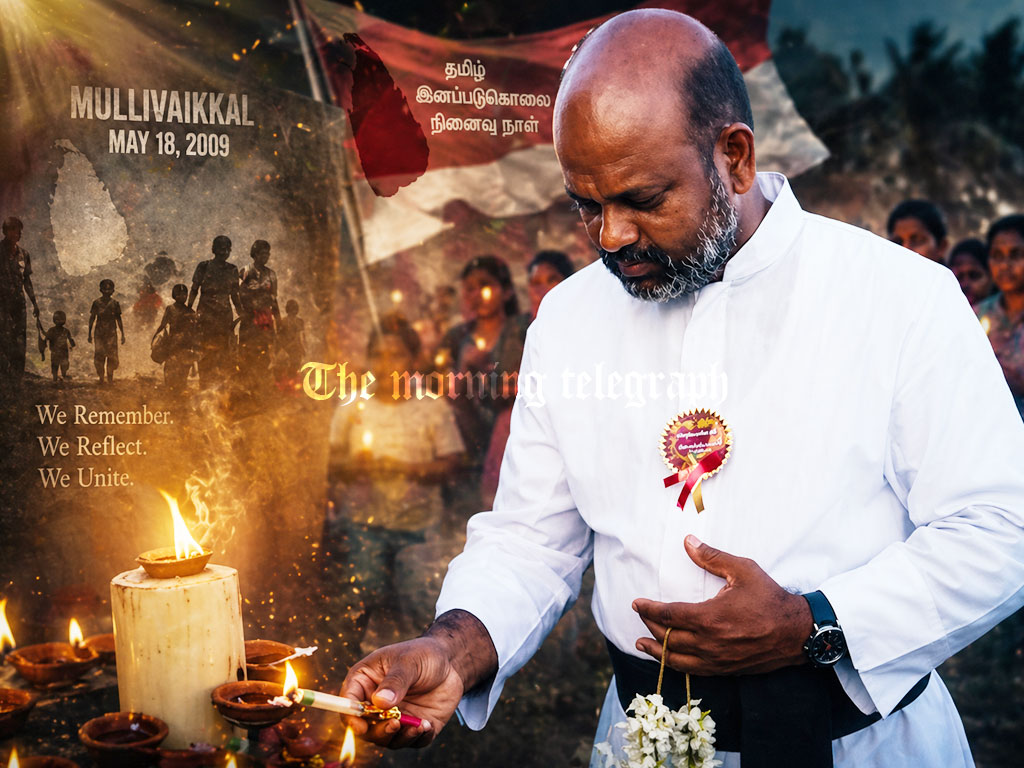
The Mullivaikkal Remembrance Committee has called for collective unity among Eelam Tamils as preparations begin for the 18th anniversary of the Mullivaikkal tragedy, urging people to gather and observe what is widely referred to as “Tamil Genocide Day” on May 18, 2026.
Addressing the media, Rev. Fr. Sinnathurai Leo Armstrong, Co-Chairperson of the North-East Public Structure of the Remembrance Committee, highlighted the importance of setting aside divisions rooted in political affiliations, religion, and regional identity. He emphasized that the commemoration should bring together all communities at the Mullivaikkal Remembrance Grounds to honor those who lost their lives on May 18, 2009, describing the occasion as one of collective grief, remembrance, and reflection on a defining chapter in Sri Lanka’s history.

As part of the lead-up to the Mullivaikkal remembrance events, organizers have planned a series of activities aimed at strengthening unity and preserving historical memory. These include a Shramadana initiative, a volunteer-driven community service programme scheduled to begin on May 12 at 4:00 PM at the remembrance site. In addition, the symbolic distribution of Mullivaikkal Kanji, a porridge associated with the final days of the conflict, will take place throughout the week as a cultural and emotional reminder of the hardships endured, ensuring that the significance of these events is passed on to younger generations.
The organizing committee has also extended invitations to civil society organizations across the Northern and Eastern Provinces, as well as to individuals and groups actively engaged in peace-building and reconciliation efforts. Rev. Fr. Armstrong further stressed the importance of mobilizing the Tamil diaspora, urging Tamils living abroad to raise international awareness, advocate for recognition, and amplify global discourse surrounding May 18 as “Tamil Genocide Day,” a term that continues to carry political and humanitarian weight in international discussions.
He concluded by underlining that the Mullivaikkal remembrance is not solely about honoring those who perished but also about reaffirming the collective identity, aspirations, and resilience of the Tamil people. The call for unity across communities remains central, encouraging all to gather with a shared sense of purpose at Mullivaikkal this year, reinforcing both remembrance and the pursuit of justice and recognition.