By Dwayne Ferreira.
Qatar tanker attack near the Strait of Hormuz prompts Doha to hold Iran legally responsible as fears grow over shipping and energy supplies.
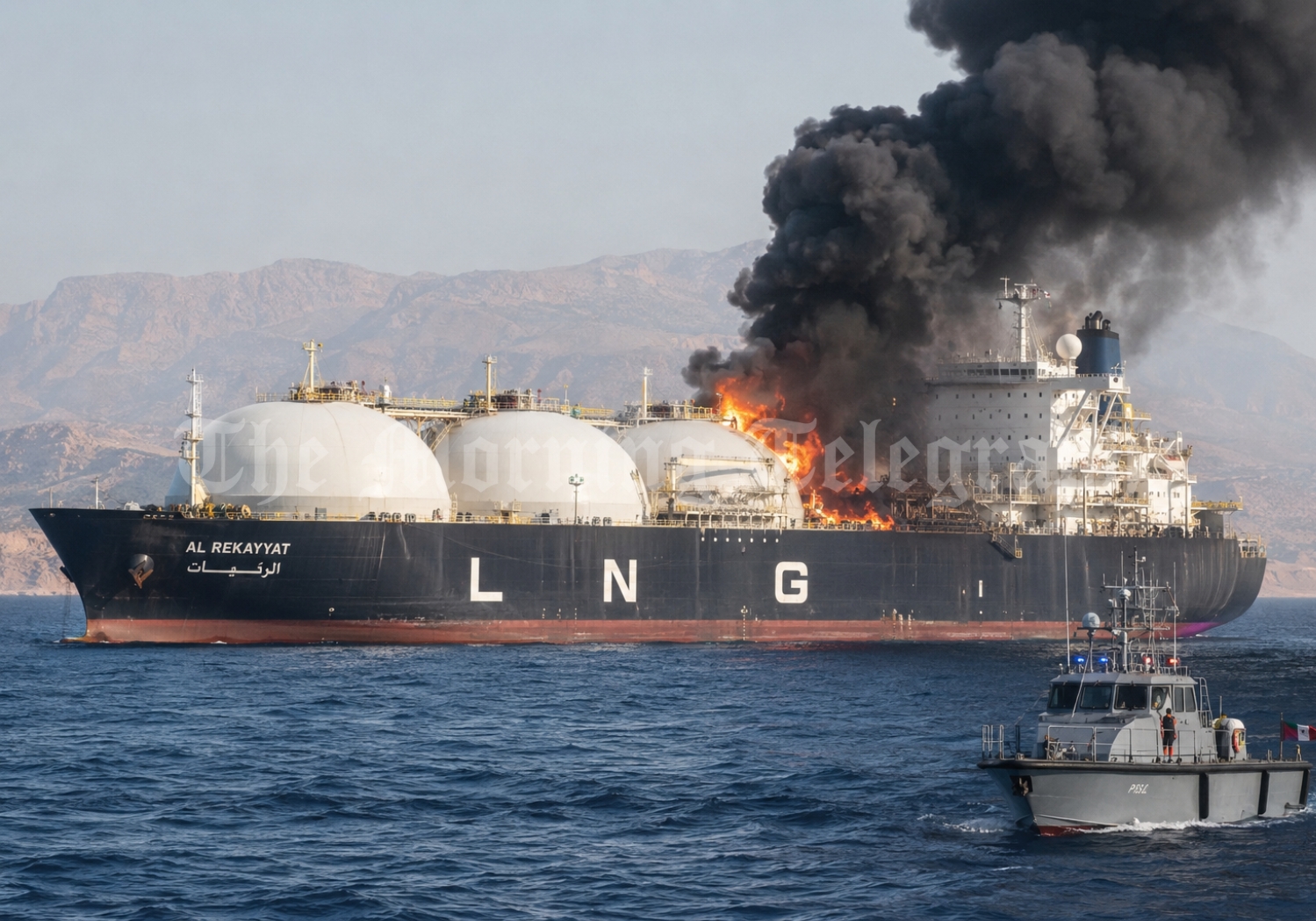
DOHA, Qatar: The Qatar tanker attack near the Strait of Hormuz has triggered a sharp response from Doha, which accused Iran of bearing full legal responsibility for targeting the LNG carrier Al Rekayyat.
The incident has sharply escalated tensions around one of the world’s most important energy shipping routes.
Qatari Foreign Ministry spokesperson Dr. Majed bin Mohammed Al Ansari condemned the targeting of the vessel on Tuesday. He described it as an unacceptable attack on the safety of international maritime navigation and global energy supplies.
Al Ansari said the incident represented a grave violation of international law. In particular, he pointed to rules protecting freedom of navigation and safe passage through international waterways.
He called on Iran to immediately stop actions that threaten regional security, maritime safety and global energy flows. Al Ansari said Doha holds Tehran fully legally responsible for the attack and any damage or consequences resulting from it.
Qatar Tanker Attack Sparks Fire Aboard Al Rekayyat
The Al Rekayyat, a large Qatari LNG carrier, was reportedly struck overnight while sailing near the Strait of Hormuz.
Reuters reported that a drone hit the vessel and caused a fire in its engine room. Maritime security sources said the crew were safe and being evacuated. However, the fire raised fears that the tanker could face the risk of an explosion.
According to a recorded radio call reviewed by Reuters, the tanker reported a strike on its port side near the top of the engine room.
The crew also reported smoke and fire inside the engine room. As a result, they struggled to fully assess the extent of the damage immediately after the strike.
The attack came as maritime security sources reported another incident involving a Saudi-flagged crude oil tanker. The vessel, believed to be the supertanker Wedyan, had reportedly suffered damage off Oman’s coast. However, the cause of that incident was not immediately clear.
Tehran Yet To Publicly Respond To Vessel Attack
Tehran had not issued an immediate public response or claimed responsibility at the time of the reports.
However, a United States official, speaking anonymously, told Reuters that early indications suggested Iran had fired at two commercial vessels in the area.
The incident has placed Qatar in a difficult diplomatic position. Doha has played a mediation role in recent efforts involving Washington and Tehran. However, a strike on a Qatari-linked LNG vessel directly threatens one of the country’s most important economic lifelines.
Qatar ranks among the world’s leading LNG exporters. Therefore, safe maritime routes through the Gulf remain central to its energy trade.
Any disruption near Hormuz can quickly affect Asian and European buyers. It can also drive up shipping costs and insurance rates.
Why The Strait Of Hormuz Matters To Global Markets
The Strait of Hormuz lies between Iran and Oman. It connects the Persian Gulf with the Gulf of Oman and the Arabian Sea.
The U.S. Energy Information Administration describes Hormuz as one of the world’s most important oil chokepoints. Few practical alternatives exist if the route becomes blocked or unsafe.
Before the current Iran war, the Strait of Hormuz carried around one fifth of the world’s daily oil and LNG supply. Therefore, any attack in the area immediately raises concerns for global energy markets.
Oil prices rose on Tuesday after reports of attacks on vessels near the strait renewed fears of supply disruption.
Reuters reported that Brent crude rose 1.1 percent to $72.75 a barrel. Meanwhile, U.S. West Texas Intermediate also gained 1.1 percent to reach $69.28.
Maritime Security Talks Intensify After Attacks
The Qatar tanker attack came as Western and Gulf officials discussed new ways to protect shipping through the strategic waterway.
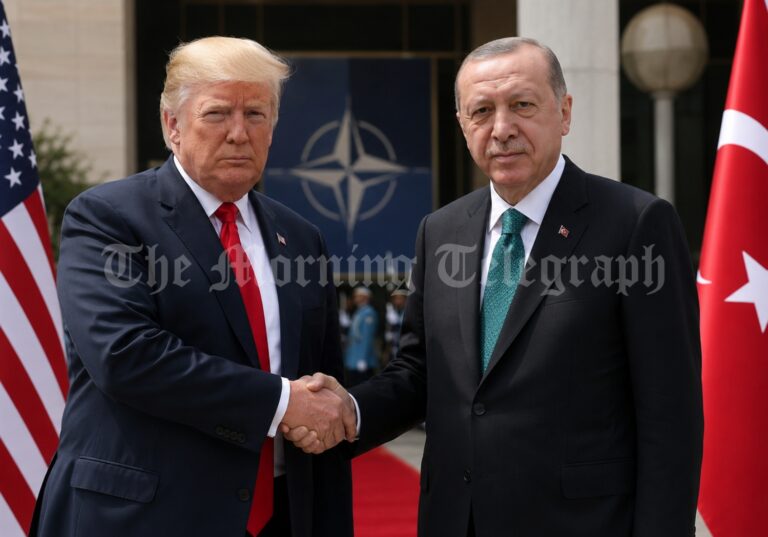
France and Britain were expected to outline plans for a multinational maritime mission during talks with Gulf Arab foreign ministers. The discussions were taking place on the sidelines of a NATO summit in Ankara.
The talks include ministers from Bahrain, Kuwait, Qatar and the United Arab Emirates. All four countries have faced direct exposure to the fallout from the Iran conflict and instability around Hormuz.
However, Reuters reported that diplomats believe any lasting maritime security arrangement would still require Tehran’s consent.
The United Kingdom Maritime Trade Operations agency also reported early Tuesday that a tanker had been struck east of Limah in Oman.
Meanwhile, Axios reported that Iran’s Revolutionary Guards had fired at least two missiles at commercial ships transiting the Strait of Hormuz.
Doha Sends Strong Legal And Political Message To Iran
Qatar’s statement represents one of Doha’s strongest public criticisms of Iran since tensions around the waterway intensified.
By framing the incident as a legal violation, Doha has gone beyond a political condemnation. Its position could also lay the groundwork for possible compensation claims, diplomatic escalation or international action.
The attack will also likely increase pressure on regional and Western powers to provide stronger protection for commercial vessels.
Gulf states depend heavily on safe passage through Hormuz. The International Maritime Organization has also treated the waterway as a major maritime security concern during periods of regional instability.
At the same time, global consumers remain vulnerable to price shocks whenever instability threatens the waterway.
For now, the Al Rekayyat incident has sent a clear warning across the Gulf. Even after diplomatic efforts and interim understandings, the Strait of Hormuz remains a dangerous flashpoint where a single strike can threaten commercial shipping, global energy markets and fragile regional diplomacy.