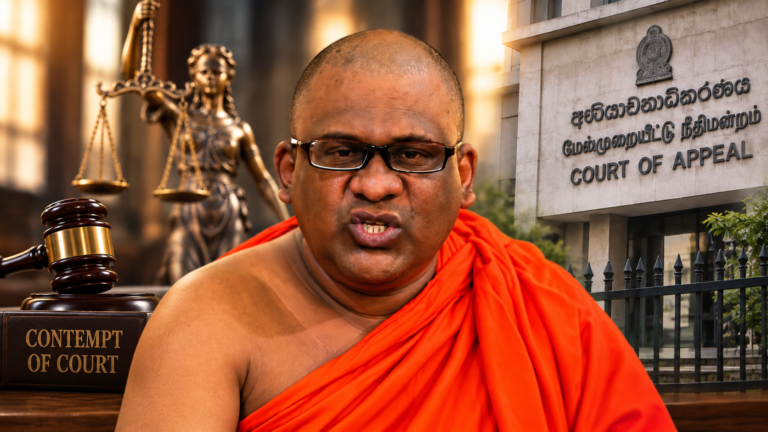
Sri Lanka governance reforms target corruption, political privileges, weak financial oversight and delays across courts and public institutions.
The new Sri Lanka governance reforms place several of the country’s most powerful public institutions under sharper scrutiny. The 2026 blueprint signals a tougher approach to corruption, accountability and transparency as authorities pursue reforms linked to economic recovery.
Senior Finance Ministry officials say the updated Governance Action Plan goes beyond the original reform commitments made to the International Monetary Fund. It introduces legislative and administrative measures targeting weaknesses across government, state enterprises, land administration and the justice system.

Sri Lanka Governance Reforms Target Major Corruption Cases
One of the plan’s most politically sensitive measures is an updated anti-corruption strategy under the Commission to Investigate Allegations of Bribery or Corruption, known as CIABOC.
The revised framework prioritises faster investigations and prosecutions involving Politically Exposed Persons, or PEPs. It also covers high-profile corruption cases that have remained unresolved for years.
Officials say the changes aim to strengthen public confidence. They want anti-corruption enforcement to apply equally to senior politicians and public officials.
The plan extends transparency rules into areas criticised for weak oversight. A proposed public register of beneficial ownership would identify the individuals who ultimately control companies.
This could make it harder to hide ownership structures used for tax evasion or illicit financial transactions.
Meanwhile, digital transformation forms another central part of the strategy. Officials plan to expand digital land registration from about 2.5 million parcels to 10 million.
The expansion aims to make property transactions more transparent and efficient. It could also reduce opportunities for fraud and document manipulation.
Courts, Political Privileges and Spending Face Reform
The justice sector will receive technological upgrades. Authorities expect to introduce digital case management systems across municipal and appellate courts.
The systems should allow officials to track cases faster. They could also reduce delays that have contributed to lengthy judicial backlogs.
The plan also targets government spending on political office holders. It proposes repealing selected political pension laws and tightening limits on ministerial allowances.
Officials also plan stricter controls on official vehicles and privately appointed staff. The measures could reduce expenditure while addressing criticism of political privileges during fiscal adjustment.
The Government intends to strengthen financial accountability through amendments to the National Audit Act. These changes would allow direct financial penalties against public officials who ignore reporting duties or fail to meet statutory responsibilities.
Together, the Sri Lanka governance reforms suggest an effort to establish lasting institutional improvements instead of relying only on administrative directions.
However, analysts say success will depend less on legislative deadlines and more on consistent enforcement. Political commitment and institutional independence will also prove decisive.
As Sri Lanka continues its economic recovery, the Governance Action Plan may become one of its most closely watched reform programmes. It will test whether promises of transparency and accountability can produce lasting institutional change.