Judicial retirement age proposals face criticism from G.L. Peiris, who warns the change could weaken independence and favour selected judges.
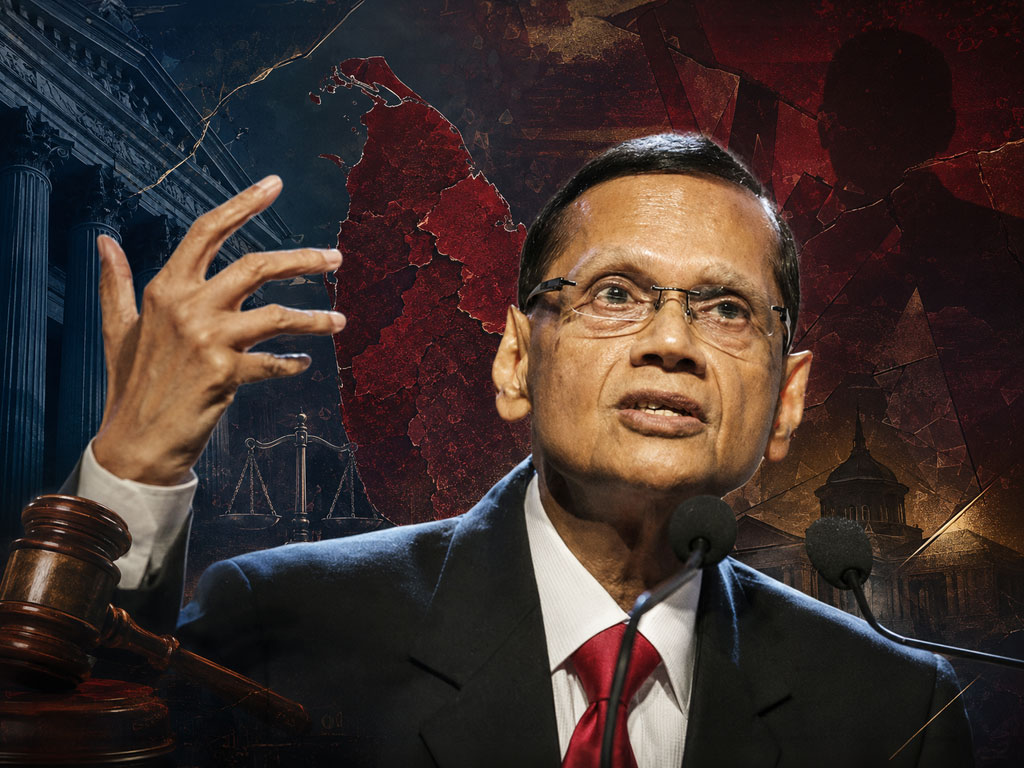
Sri Lanka’s proposed judicial retirement age extension could undermine the independence and impartiality of the courts, former Justice Minister Professor G.L. Peiris has warned.
Peiris alleged that the constitutional amendment formed part of a dangerous political strategy to bring the judiciary under greater executive influence. He described it as a “Deep State” effort that could allow the executive to favour selected judges.
The Government is reportedly preparing to amend Article 107(5) of the Constitution. The change would raise the retirement age of Supreme Court judges from 65 to 67.
It would also increase the retirement age of Court of Appeal judges from 63 to 65.
Peiris and other critics argue that the proposed change could place democratic institutions at serious risk.

Judicial Retirement Age Timing Raises Questions
The Government has reportedly justified the extension by citing increased life expectancy and the value of retaining experienced judges.
However, Peiris alleged that the real purpose was to secure political advantage.
Three Supreme Court judges retired in early 2026. Peiris argued that the timing could allow the executive to extend the service of judges it considers loyal or favourable while excluding others.
Such a process, he warned, would give the executive excessive discretion over the careers of senior judges.
Peiris also raised concerns about whether the amendment could apply retrospectively.
He argued that any new retirement rule should apply only to judges appointed after the amendment takes effect. Applying it to serving judges could damage public trust in judicial impartiality, he said.
Critics Question Special Treatment for Judges
Peiris also questioned why the Government would extend retirement only for senior judges while maintaining lower limits for other public professionals.
University professors retire at 65. Specialist doctors working in cancer, kidney and heart care retire at 63, while heads of other government departments retire at 60.
In developed countries, judges may serve beyond 65. However, Peiris said those systems often extend retirement across the broader public service.
He argued that granting judges a separate benefit without offering similar treatment to other professionals would appear arbitrary and partisan.
The extension could also affect promotions within the lower judiciary.
Longer terms for senior judges may delay career advancement for High Court, District Court and Magistrate Court judges who have served for years.
Constitutional Equality and Secrecy Concerns
Peiris said the proposal could also trigger legal challenges under Article 12(1) of the Constitution, which guarantees “equality before the law.”
Other professional groups could argue that the amendment unfairly grants privileges to judges while denying comparable benefits to them.
Such a challenge could create an ethical problem. Supreme Court judges who might benefit from the amendment could eventually have to rule on its constitutionality.
Peiris argued that this would conflict with natural justice principles.
He also criticised the Government for allegedly advancing the proposal without public or civil society consultation.
The administration has sidelined major commitments such as abolishing the executive presidency, he said, while pursuing this amendment in secrecy.
According to Peiris, the Justice Minister denied that the Cabinet had discussed the proposal when the Bar Association of Sri Lanka sought clarification.
Constitutional experts cited in the original account warned that an arbitrary amendment could weaken democratic institutions and threaten citizens’ fundamental rights.
The controversy now places the Government under pressure to explain the proposal, its timing and whether it would apply to judges already serving.