Sri Lanka plans a two-year national dengue programme using drones, inspections and community action as cases exceed 76,000.
Sri Lanka is preparing a two-year national dengue programme as the country battles one of its most serious outbreaks of the mosquito-borne disease in recent years.
The initiative will bring together the Ministry of Health, the National Dengue Control Unit and the Sri Lanka Red Cross Society. Local authorities, police, the armed forces and community organisations will also support the campaign.

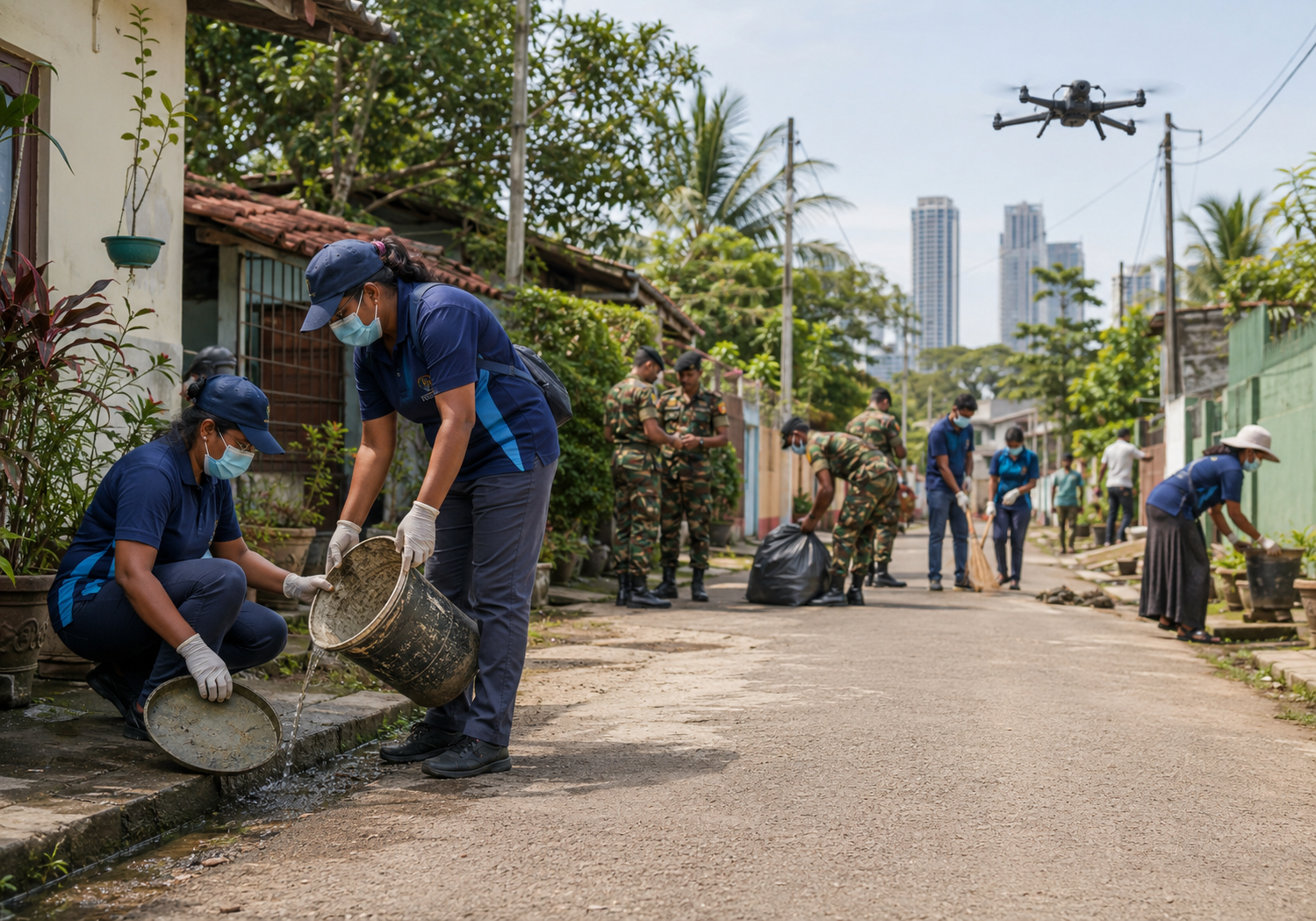
Officials expect the programme to focus on districts and communities reporting high dengue transmission. Teams will identify and destroy mosquito-breeding sites, improve waste management, inspect properties and strengthen public awareness.
Sri Lanka recorded 76,044 dengue infections and 53 deaths by July 21. Around 75% of analysed cases involved the DENV-2 strain, which health officials described as more virulent and capable of spreading rapidly.
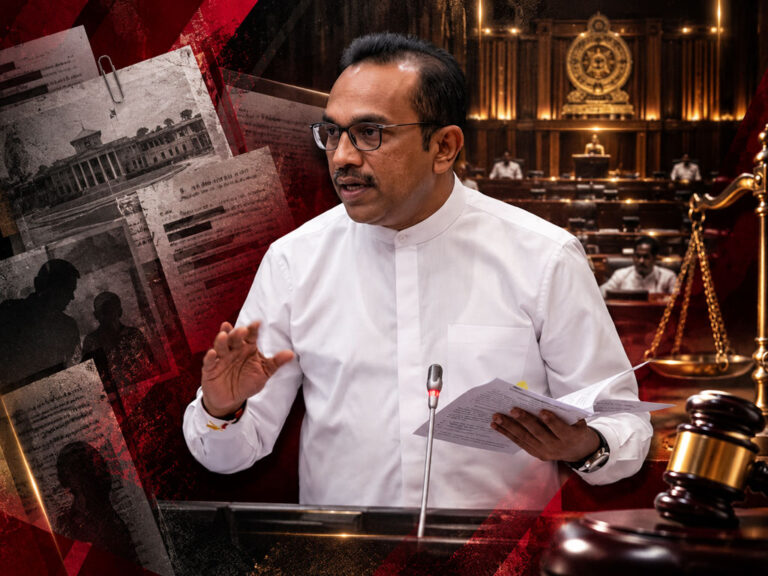
Health Minister Nalinda Jayatissa previously warned that a continued increase in infections could place severe pressure on public hospitals. Several hospitals expanded treatment capacity and converted wards to manage the sharp rise in dengue patients.
Two-Year National Dengue Programme Expands Operations
The armed forces have already joined inspections and cleanup operations at homes, schools, construction sites, religious institutions and public buildings.
Meanwhile, Sri Lanka Air Force drones are scanning rooftops and other difficult-to-reach locations where rainwater may collect. This aerial surveillance helps public health teams identify stagnant water and possible breeding grounds that inspectors cannot easily see from street level.
Authorities cleared nearly 11,000 breeding sites during July. They also imposed fines on more than 4,000 properties where inspections found conditions favourable for mosquito breeding, according to Health Ministry figures reported during the outbreak.
The Sri Lanka Red Cross Society has expanded community-based prevention work in Colombo, Gampaha, Kalutara, Jaffna and Kandy. Its activities include cleanup campaigns, public-awareness programmes and early interventions in vulnerable communities.
Officials hope the two-year national dengue programme will replace short emergency campaigns with continuous monitoring, prevention and community action.
Public Cooperation Crucial Before Next Monsoon
However, health authorities have warned that infections could rise again when rainfall intensifies. Dengue transmission in Sri Lanka generally records two seasonal peaks linked to the southwest and northeast monsoons.
Therefore, the programme’s success will depend heavily on public cooperation. Households, businesses, schools and construction sites must regularly inspect their premises. They should remove containers, blocked gutters and other places where stagnant water can accumulate.
The National Dengue Control Unit coordinates prevention and control work with different stakeholders across Sri Lanka. It also promotes early detection and rapid responses to contain outbreaks.
Although the government has described dengue eradication as its long-term objective, the immediate priority remains reducing infections, preventing deaths and easing pressure on hospitals before the next period of heavy rainfall.