Olympic Committee ticket scandal allegations raise questions over Rs. 970 lakhs spent on 248 air tickets for Sri Lanka’s Asian Games contingent.
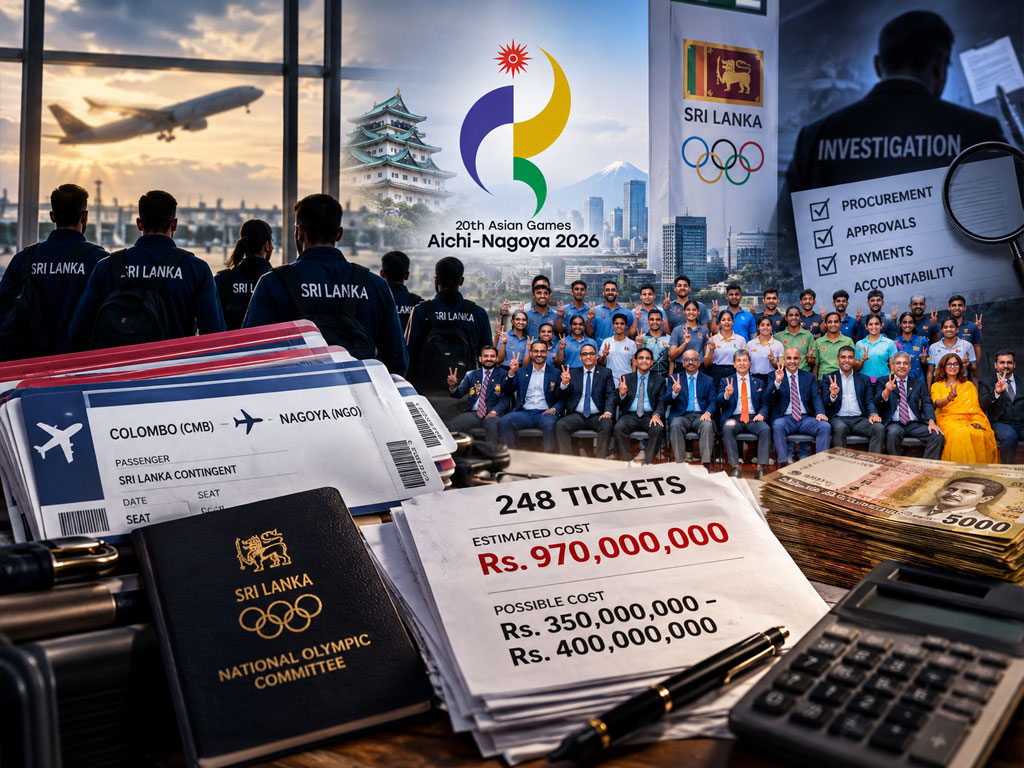
The Olympic Committee ticket scandal has triggered serious questions over plans to spend Rs. 970 lakhs on 248 air tickets for Sri Lanka’s Asian Games contingent.
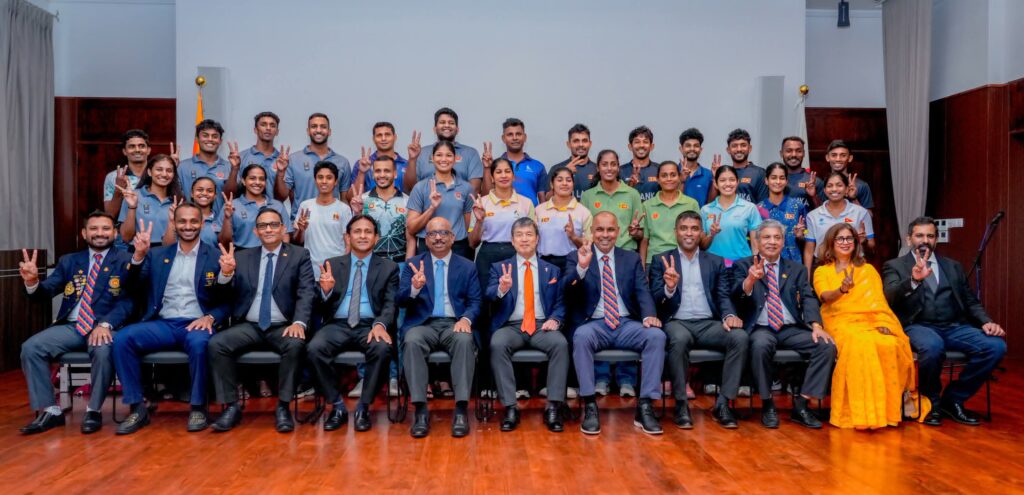
The tickets are for athletes and officials travelling to the 20th Asian Games scheduled to be held in Nagoya, Japan.
According to allegations surrounding the procurement, the same requirement could have reportedly been completed for between Rs. 350 lakhs and Rs. 400 lakhs.
The difference has prompted accusations of poor planning, restricted competition and possible violations of procurement and financial procedures within the National Olympic Committee.

Olympic Committee Ticket Scandal Raises Procurement Questions
Several aspects of the transaction have drawn scrutiny:
- Alleged failure to plan in advance: Critics argue that if participant numbers had been finalised earlier and tickets booked about two months in advance, the overall cost could have been reduced by almost half. Allegations have been raised that the process was deliberately delayed, resulting in tickets being purchased at higher last-minute prices.
- Concerns over a single supplier: It is alleged that seat reservations were made through a prior arrangement involving the authorities and a particular air-ticket supplier. Critics say this prevented other agencies from submitting competitive quotations.
- Possible procurement and financial procedure violations: The President, Secretary, Treasurer and Deputy Treasurer are alleged to have proceeded with the transaction without consulting the Executive Committee or obtaining Finance Committee approval.
- Claims of a previous pattern: Critics have also pointed to the Commonwealth Games in Glasgow, Scotland. In that instance, Rs. 30 million was reportedly spent on 69 tickets, although the requirement could allegedly have been met for about Rs. 16 million.
These allegations have fuelled demands for greater transparency over how travel arrangements for national sporting delegations are approved and funded.
‘Pay-Later’ Explanation Comes Under Scrutiny
When the Finance Committee questioned the transaction, officials reportedly argued that tickets had to be purchased on a “pay-later basis until funds were received from the Sports Ministry.”
However, those questioning the deal have challenged that explanation on several grounds.
- Fixed deposits were allegedly available: The Olympic Committee reportedly had fixed deposits worth Rs. 1,100 lakhs. Critics argue that the organisation could have pledged those deposits to obtain a low-interest bank facility and purchase tickets in cash at a lower price.
- Officials allegedly left meetings: When Finance Committee members raised arguments and counter-arguments over the transaction, key officials connected to the purchase allegedly left the meetings angrily instead of answering the concerns.
- Cheques allegedly issued before ministry funds arrived: It is further alleged that the Olympic Committee itself issued cheques to settle the payments before receiving funds from the Sports Ministry.
Critics argue that the issuing of those cheques undermines the explanation that higher ticket prices were unavoidable because payment had to be deferred.
Calls Grow for Independent Investigation
The allegations surrounding the Olympic Committee ticket scandal therefore go beyond a dispute over expensive airfares.
Questions now centre on whether sufficient advance planning took place, whether suppliers had a fair opportunity to compete and whether required financial approvals were obtained.
The article presenting these allegations argues that the circumstances cannot simply be dismissed as an administrative delay or technical failure.
It alleges that competitive procurement may have been deliberately restricted and claims that a similar pattern has occurred previously.
More seriously, allegations have been made that public and state-linked funds may have been exposed to losses for personal benefits or commissions.
Those claims remain allegations and require independent investigation before any conclusion can be reached regarding individual responsibility or criminal wrongdoing.
The Sports Ministry and relevant investigative authorities are therefore being urged to examine the procurement process independently.
Such an inquiry would need to review ticket quotations, booking dates, supplier arrangements, Finance Committee records, Executive Committee approvals, payment documents and the availability of alternative financing.
With athletes travelling in the name of Sri Lanka, the central question is whether public and sporting funds were used through a transparent, competitive and financially responsible process.
The Olympic Committee ticket scandal allegations now place pressure on the relevant authorities to establish those facts and take appropriate legal or administrative action if wrongdoing is proven.