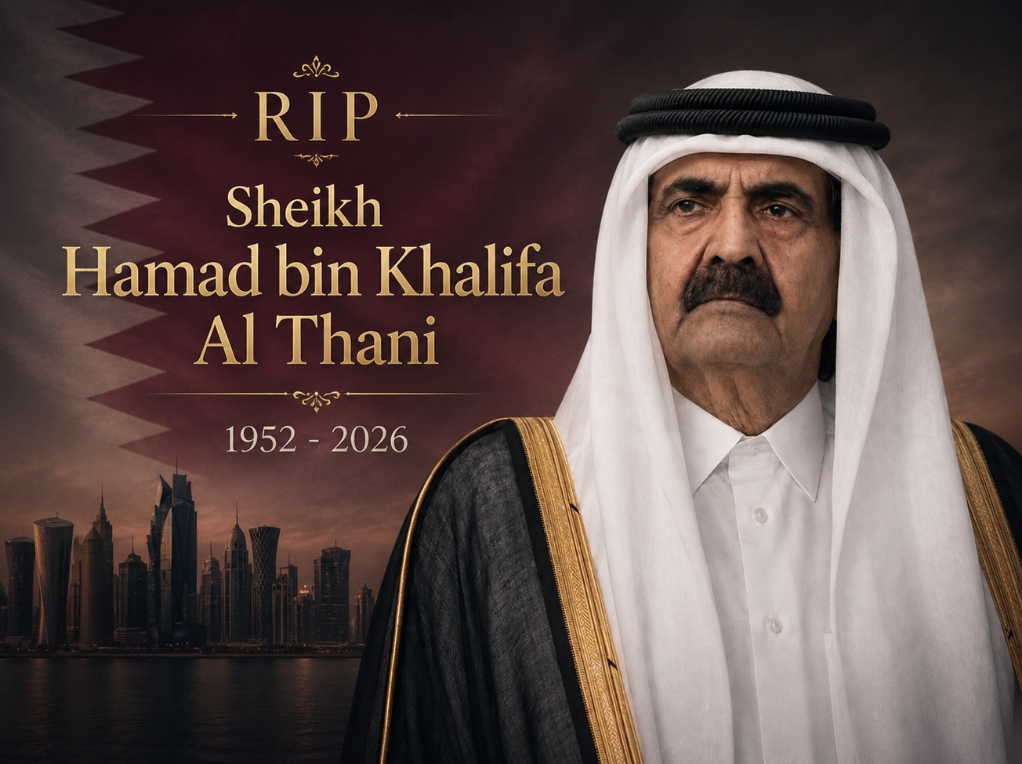
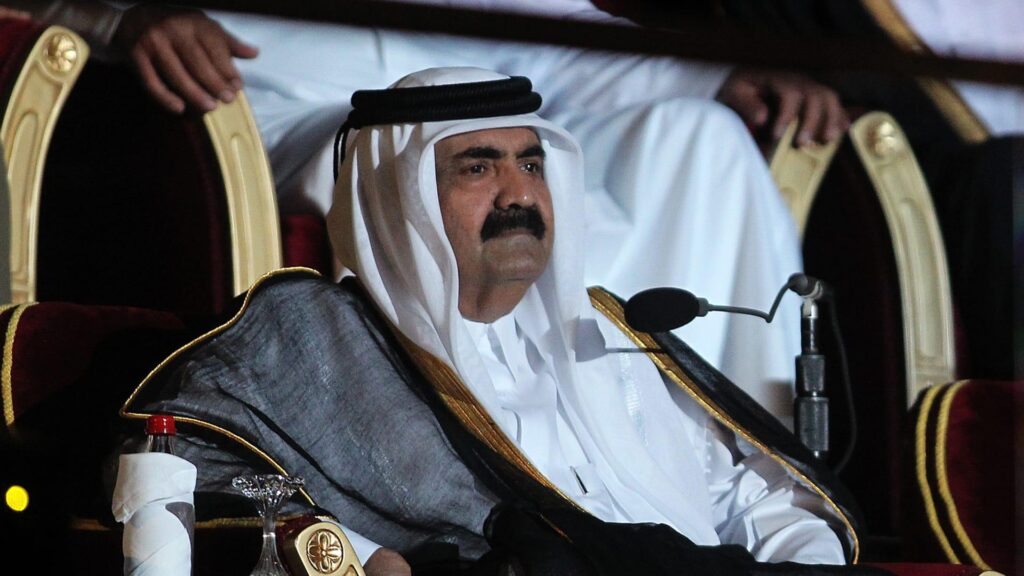
Sheikh Hamad dies aged 74 after transforming Qatar from a relatively quiet Gulf state into an influential global power with an international reach.
Qatar’s Amiri Diwan announced the death of Sheikh Hamad bin Khalifa Al Thani on Sunday, July 12, 2026. The official announcement did not immediately reveal the cause of death.
Known officially in Qatar as the Father Amir, Sheikh Hamad ruled the energy-rich Gulf nation for 18 years. His reign began in 1995 and ended with his voluntary abdication in June 2013.
During those years, he led a remarkable transformation that placed the small country at the centre of global energy, diplomacy, aviation, media, investment and international sport.
His death closes one of the most important chapters in Qatar’s modern history.

Sheikh Hamad Dies After Transforming Modern Qatar
Sheikh Hamad assumed power in June 1995 after removing his father, Sheikh Khalifa bin Hamad Al Thani, in a bloodless palace coup.
At the time, Qatar remained a relatively quiet Gulf state. It possessed enormous natural gas reserves but had limited international influence.
However, over the next two decades, Qatar emerged as one of the world’s wealthiest countries. It also developed a foreign policy that appeared far larger than its geographical size.
Sheikh Hamad’s government accelerated the development and export of liquefied natural gas. As a result, Qatar became a central player in the global energy industry.
Revenue from those resources funded major infrastructure projects, overseas investments and social development programmes. It also supported Qatar’s increasingly ambitious foreign policy.
Meanwhile, Sheikh Hamad expanded the country’s armed forces and strengthened its security relationship with the United States.
Qatar later became home to Al Udeid Air Base, one of Washington’s most strategically important military installations in the Middle East.
Al Jazeera Reshaped Arab Broadcasting
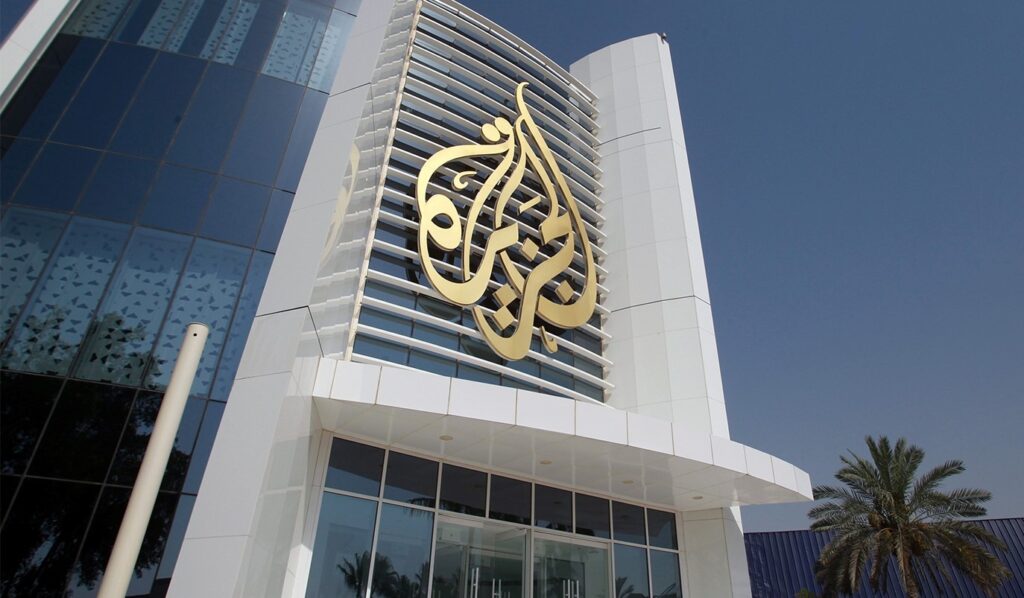
One of Sheikh Hamad’s most influential initiatives was the establishment of Al Jazeera in 1996.
The Qatar-funded satellite television network changed news broadcasting across the Arab world. It covered political debates, regional conflicts and sensitive issues that many state-controlled broadcasters had traditionally avoided.
Al Jazeera later grew into an international media organisation. Its television channels and digital platforms reached audiences across the world.
However, its reporting also angered several Arab governments.
Critics frequently accused the network of reflecting Qatar’s foreign policy interests. Supporters, however, praised Al Jazeera for challenging censorship and introducing a more confrontational style of journalism to the region.
The network eventually became one of Qatar’s most recognisable sources of international influence.
Qatar Airways Became an International Brand
Sheikh Hamad’s reign also coincided with the rapid growth of Qatar Airways.
The airline developed from a small regional carrier into one of the world’s most prominent aviation brands. At the same time, Doha emerged as a major transit hub connecting Asia, Africa, Europe and the Americas.
Qatar also used its sovereign wealth to acquire valuable assets around the world. These investments included property, businesses and stakes in major international companies.
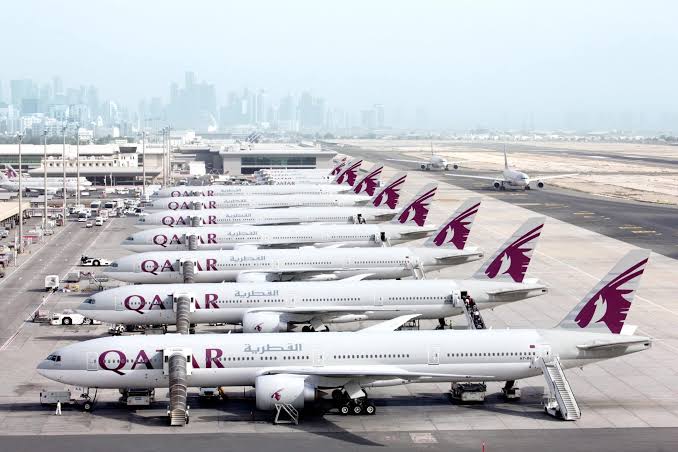
Its global portfolio eventually included prominent holdings such as London’s Harrods department store.
Meanwhile, Qatari influence expanded across banking, property, tourism and sport. Those investments gave the country a global presence that extended far beyond the Gulf.
World Cup Victory Showed Qatar’s Global Ambition
Qatar’s successful campaign to host the 2022 FIFA World Cup became one of the defining achievements of Sheikh Hamad’s rule.
FIFA awarded Qatar the tournament in 2010. The decision made it the first Arab country to secure the hosting rights for football’s biggest competition.
However, the award triggered intense international scrutiny. Questions emerged over the bidding process, labour conditions, human rights and the enormous cost of preparing the country for the tournament.
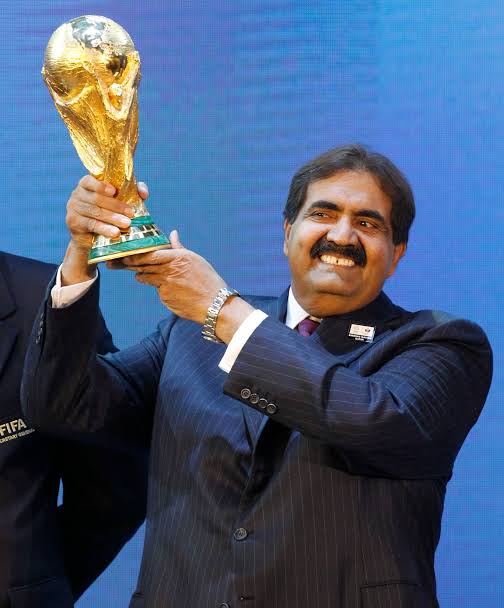
Nevertheless, the World Cup demonstrated the scale of Qatar’s global ambitions.
Sheikh Hamad received an enthusiastic reception when he attended the tournament’s opening match in 2022. His appearance came nine years after he had stepped down as emir.
The competition also showed how far Qatar had progressed since he assumed power in 1995.
An Independent but Controversial Foreign Policy
Under Sheikh Hamad, Qatar adopted a highly active and sometimes controversial diplomatic strategy.
The country maintained close security relations with the United States while preserving working ties with Iran.
It also engaged with political movements and armed groups that other governments refused to recognise or contact.
Qatar became involved in mediation efforts across the Middle East and beyond. These included conflicts involving Lebanon, Sudan, Afghanistan and Palestinian factions.
That approach allowed Doha to present itself as a diplomatic intermediary capable of speaking to opposing sides.
However, the strategy also caused tensions with neighbouring Gulf governments and Western allies. Qatar’s relationships with Hamas and the Muslim Brotherhood became particularly controversial.
Sheikh Hamad’s policies therefore brought Qatar influence, but they also exposed the country to regional suspicion and diplomatic pressure.
Sheikh Hamad Transferred Power to His Son
In June 2013, Sheikh Hamad voluntarily handed power to his son, Sheikh Tamim bin Hamad Al Thani, who remains Qatar’s emir.
The decision was unusual in a region where rulers traditionally remained in office until death or left power following political upheaval.
Sheikh Hamad said at the time that a younger generation should lead Qatar into a new era. Sheikh Tamim was 33 when he succeeded his father.
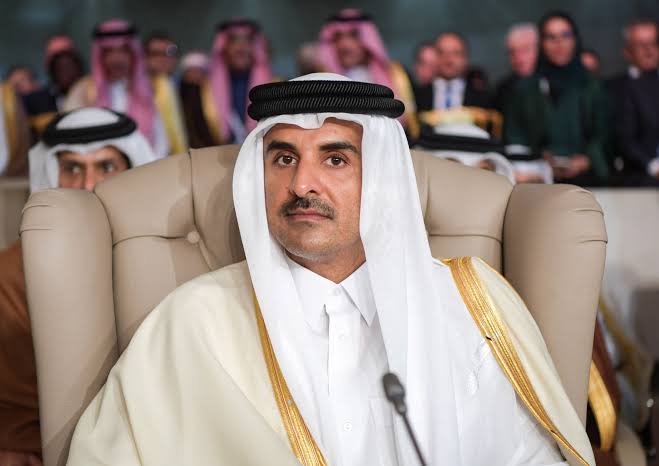
Although Sheikh Hamad withdrew from daily government, he retained considerable public respect. He also remained an important symbol of Qatar’s modern development.
Born in Doha in January 1952, Sheikh Hamad studied at Britain’s Royal Military Academy Sandhurst.
After graduating in 1971, he joined Qatar’s armed forces. He later served as defence minister and commander-in-chief before becoming emir.
Sheikh Hamad leaves behind a complex but unmistakably significant legacy.
He transformed Qatar from a relatively little-known Gulf monarchy into a wealthy and internationally influential country.
Its reach now extends across energy, diplomacy, aviation, media, global investment and sport.
As Sheikh Hamad dies at the age of 74, Qatar loses the ruler who designed much of its modern international identity. His death closes a defining era in the history of the Gulf nation.