Sri Lanka pyramid schemes face scrutiny over alleged attempts to acquire television channels and turn illicit wealth into media influence.
Sri Lanka pyramid schemes are no longer confined to hidden investment networks. The article alleges that operators linked to large-scale financial fraud are now attempting to channel black money into media institutions, including television stations.
Even as the Central Bank repeatedly warns the public, these so-called “pyramid cultivators” are seeking to buy or launch television channels. The article argues that this is not accidental. Instead, it describes an organised attempt to launder illicit wealth and manufacture social respectability.

Why Sri Lanka Pyramid Schemes Need Media Power
The “money trees” of pyramid operators do not grow in soil. They grow in the minds of desperate people who want to become wealthy quickly during an economic crisis.
Why do pyramid schemes find such fertile ground in Sri Lanka, a country trapped in a structural economic crisis?
Public trust in formal financial institutions has weakened. At the same time, high inflation has made it difficult for ordinary investments to meet rising living costs. In this environment, a fraudster promising enormous returns can appear to be a saviour.
However, these operators need a powerful media platform to expand their fabricated world and influence the public. A television channel offers the perfect shield. It can help them bargain for political influence, attack critics and present themselves as “reputable businessmen.”
Asanka Dissanayake’s Television Ambitions
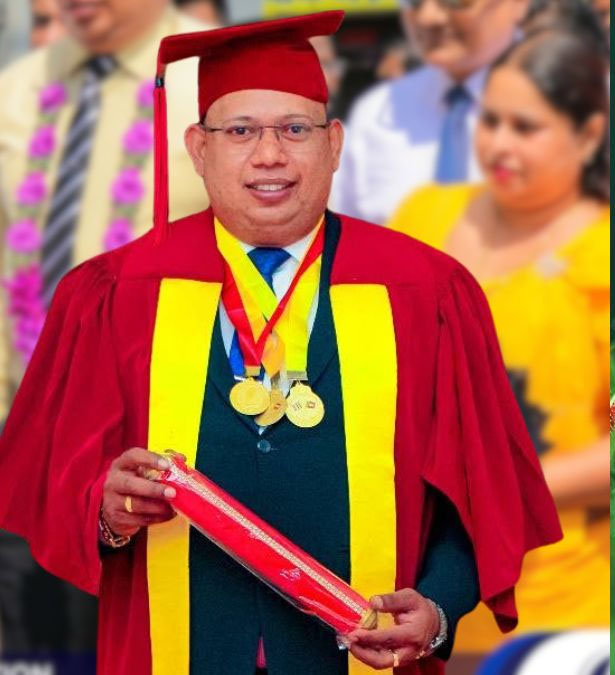
The article identifies Asanka Dissanayake as the latest operator pursuing this agenda. He owns Asia International Consolidated, the parent company of “Asia Plantation,” which mainly operates from the Horana area.
According to his Facebook page, he also uses the titles Keerthi Sri Deshamanya and Guruvarcharya. He reportedly began his career as an insurance agent at institutions such as Celinco Life and Union Assurance.
He later promoted plantation investments for companies including Sadahareetha, Ceylon Ever Green, Power Hands and Alakamandawa. The article alleges that this work drew him deeply into pyramid-style operations. Now, it says, he plans to become a television channel owner.
Dissanayake attempted to rebrand “AKSHARAYA TV,” which aired on PEOTV and followed progressive indicators, as “Asia TV.” However, the Ministry of Media suspended the move after state intelligence agencies refused to grant security clearance to the relevant owners.
After failing to obtain approval from the Ministry of Defence, Dissanayake allegedly tried to revive the operation under another identity.
He has now partnered with Charith Abeyasinghe, who is currently remanded over allegations that he accepted bribes from underworld leader Harak Kata. Together, they formed a new company called “Asia Cinema Academy” and again sought ministry approval.
The article argues that this development cannot be dismissed as a coincidence. It asks whose black money these individuals may control, given their alleged links to the underworld and notorious money launderers.
Questions Surrounding Nilanga Karunaratne and CSN
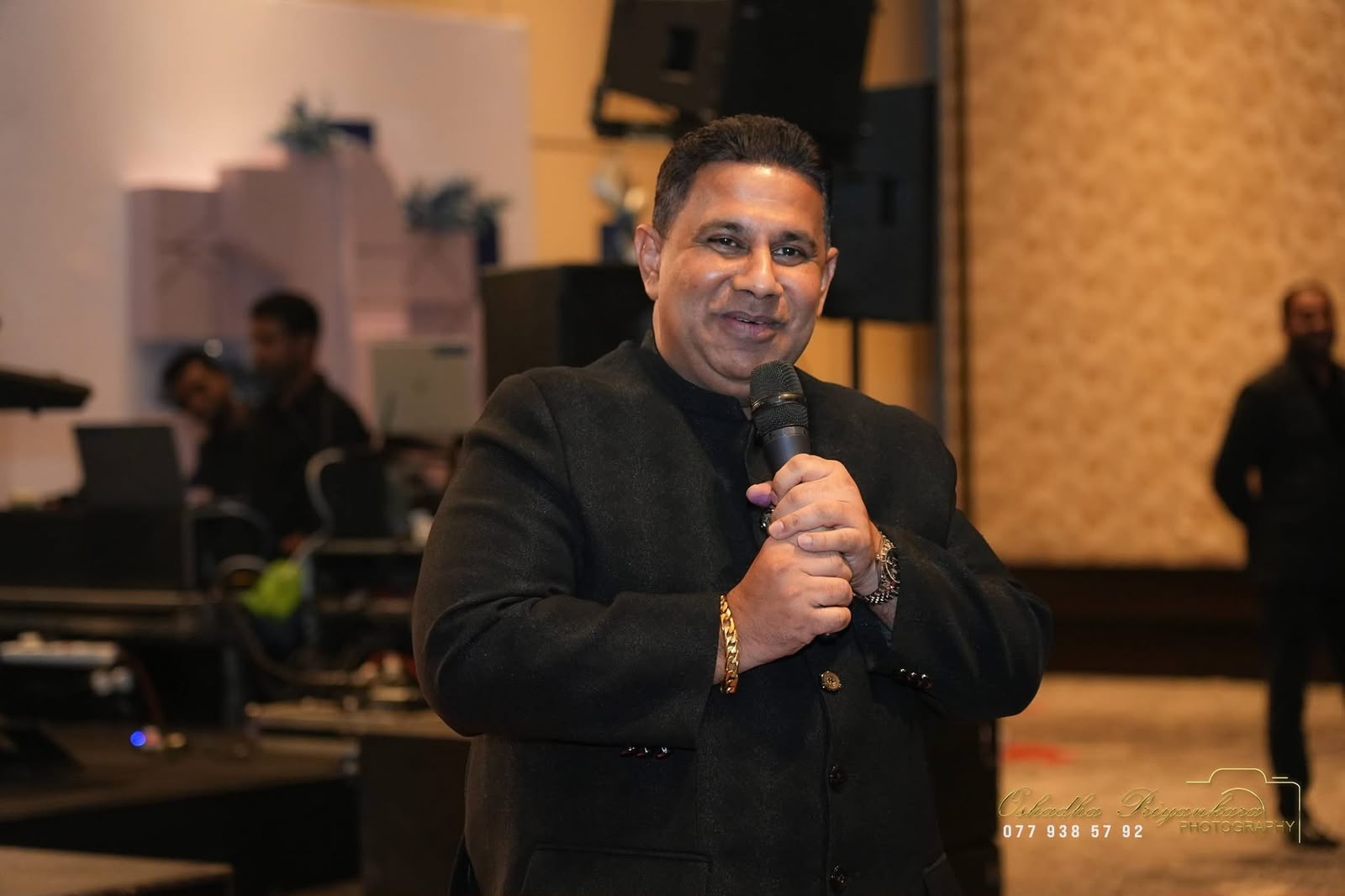
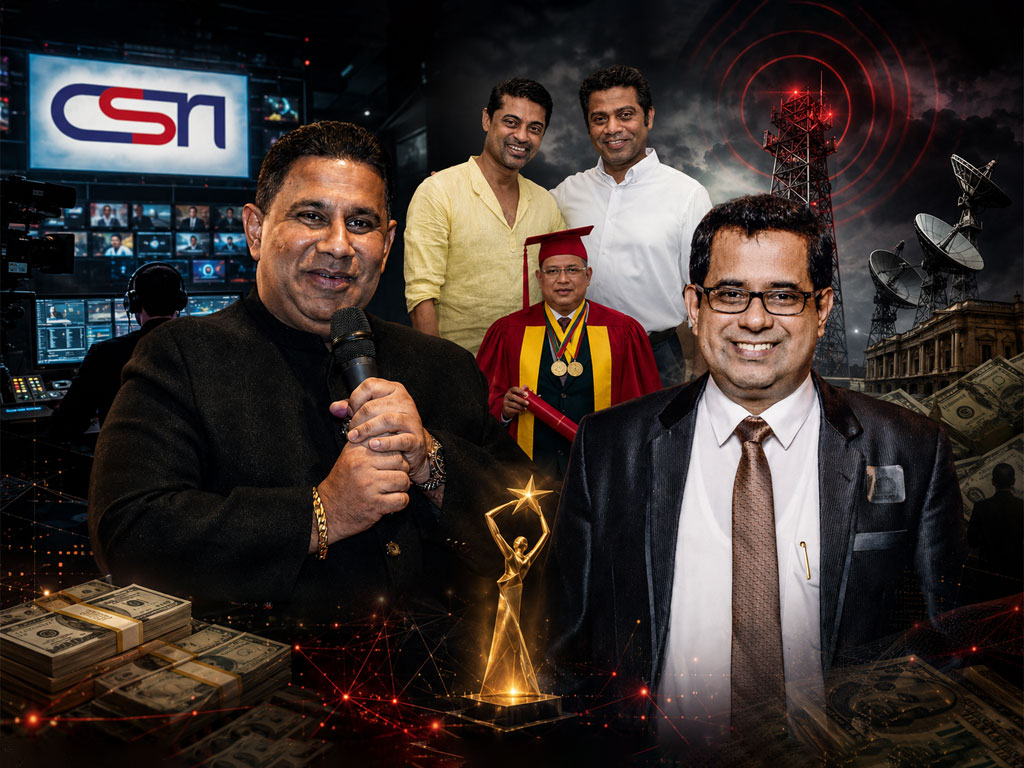
The article says Dissanayake’s story must be examined alongside the recent relaunch of the CSN television channel.
According to media reports cited in the original account, Nilanga Karunaratne acquired the channel through a 20-year lease. The agreed monthly payment reportedly stands at Rs. 2.38 crore, or Rs. 23.8 million.
How can he afford to spend nearly Rs. 2.5 crore each month? Who is he? What do his past financial records and personal history reveal? Why has this information allegedly remained hidden from the public?
The article argues that when someone agrees to pay ten times more in maintenance than a media institution could generate in profit, serious questions arise. It alleges that the underlying purpose may involve money laundering and the execution of a political agenda.
Therefore, it raises suspicions that large-scale pyramid operators or holders of political black money may be standing behind Nilanga Karunaratne.
Why Have Sri Lanka’s Authorities Remained Silent?
While the Central Bank issues repeated warnings about Sri Lanka pyramid schemes, alleged major operators appear able to pursue media acquisitions publicly. The article asks what future awaits the country if this continues.
It also questions the Director General of the Commission to Investigate Allegations of Bribery or Corruption. Why, it asks, has the commission not detected alleged black money networks capable of spending crores every month on media institutions?
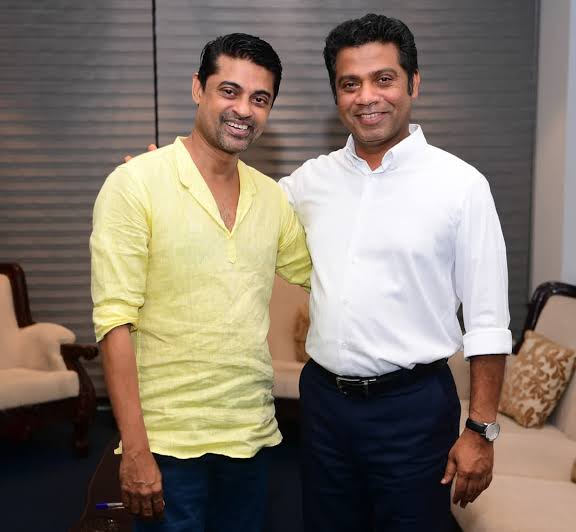
The article further asks whether the commission limits its work to pursuing political enemies and investigating smaller bribery cases.
Meanwhile, it questions why CID Director Shani Abeysekara, described as a skilled investigator, has not yet uncovered this alleged organised financial crime network.
The article calls for an immediate, independent and comprehensive investigation. It argues that authorities must stop underworld figures and black money operators from building media empires, describing the trend as a potential national security threat.
Otherwise, Sri Lanka’s public opinion and political agenda could soon be shaped by pyramid operators relying on money allegedly stolen from the public and proceeds linked to drugs.
Such a development, the article warns, would threaten both democracy and a free media. Without institutional transparency and firm financial discipline, Sri Lanka risks becoming a haven for those who profit through fraud and public exploitation.
SOURCE:- SRI LANKA LEADER