
By Marlon Dale Ferreira
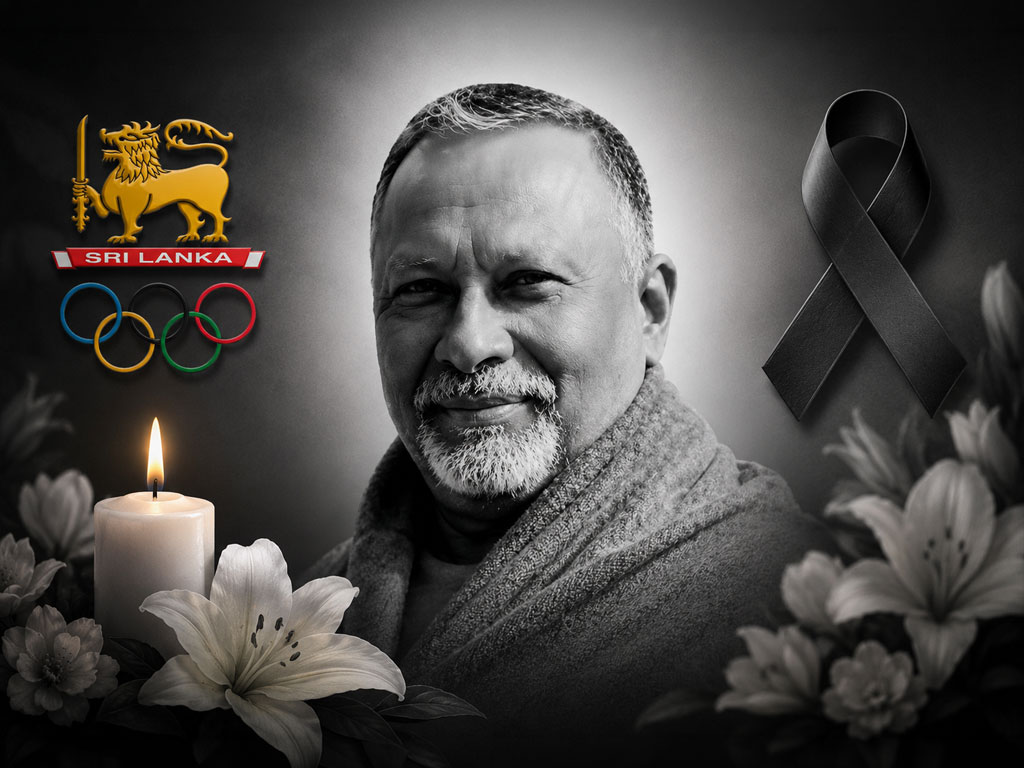
Suresh Subramaniam the former President of the National Olympic Committee of Sri Lanka passed away peacefully at a private hospital in Colombo earlier today. Funeral arrangements scheduled to take place on Friday will be published shortly.
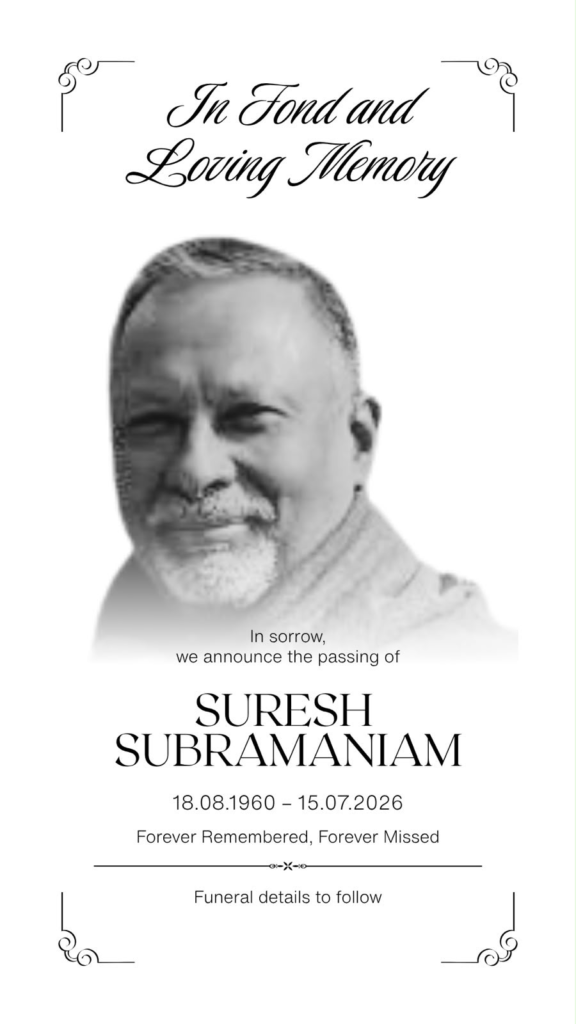
The Suresh Subramaniam legacy stretches across Sri Lankan, Asian and international sport, reflecting decades of leadership, development and dedicated service.
Born in August 1960, Subramaniam became one of Sri Lanka’s most distinguished sports administrators. His influence extended from competitive tennis to national Olympic administration and regional sporting governance.
Tennis Remained His First Love
Tennis was Subramaniam’s first sporting passion. As a player, he achieved the No. 1 ranking in Sri Lanka in both singles and doubles.
He also represented the country as a member of the Sri Lanka Davis Cup team. In 2000, he served as the team’s captain.
Subramaniam worked closely with the Sri Lanka Tennis Association throughout the 1990s. He later served as its President from 2002 to 2007.
Many remember that period for the expansion and development of tennis across Sri Lanka. Under his leadership, the sport grew beyond Colombo and reached new communities.
Wheelchair tennis returned during his tenure. The association also brought international coaching expertise into the country and hosted major coaching programmes and tournaments.
Subramaniam contributed to World Tennis through its committee and commission structure. Over several years, he served on both the Men’s Circuit Committee and the Juniors Committee.
Suresh Subramaniam Legacy at the NOCSL
Beyond tennis, Subramaniam served as President of the National Olympic Committee of Sri Lanka from 2018 until April 2026.
Colleagues recognised his leadership, dedication and unwavering commitment to Sri Lankan sport.
Executive Board members and employees at the NOCSL held him in deep respect. They appreciated both his contribution to the country’s sporting landscape and the personal sacrifices he made while serving in the role.
His work strengthened support for Sri Lankan athletes and administrators. It also reflected his lifelong commitment to using his influence and resources to benefit others.
Subramaniam also held several important positions within the Asian Tennis Federation. He joined its board in 2002 and became Secretary General in 2005.
The federation later appointed him Vice President, making him the first Sri Lankan to hold that prestigious position.
As Secretary General, he played a significant role in developing the Asian Junior Circuit. The competition expanded across the region and gave young players valuable opportunities to compete and progress.
Remembered as a passionate tennis advocate, respected Olympic leader and committed administrator, Subramaniam leaves a lasting mark on Sri Lankan and Asian sport.
His commitment to opportunity, development and service defines the Suresh Subramaniam legacy.
He is survived by his wife, Ranjitha. Friends and colleagues around the world will sorely miss him.


Our deepest condolences on the passing of Mr. Suresh Subramaniam, former President of the National Olympic Committee of Sri Lanka. His contributions to Sri Lankan sport and the Olympic movement will be remembered with gratitude and respect. May his soul rest in peace. Our heartfelt sympathies are with his family, friends, and all who had the privilege of knowing him during this difficult time.