Sri Lanka tourism campaign worth Rs. 1.5 billion targets six key markets as the country aims to lift annual tourism earnings to $10 billion by 2030.
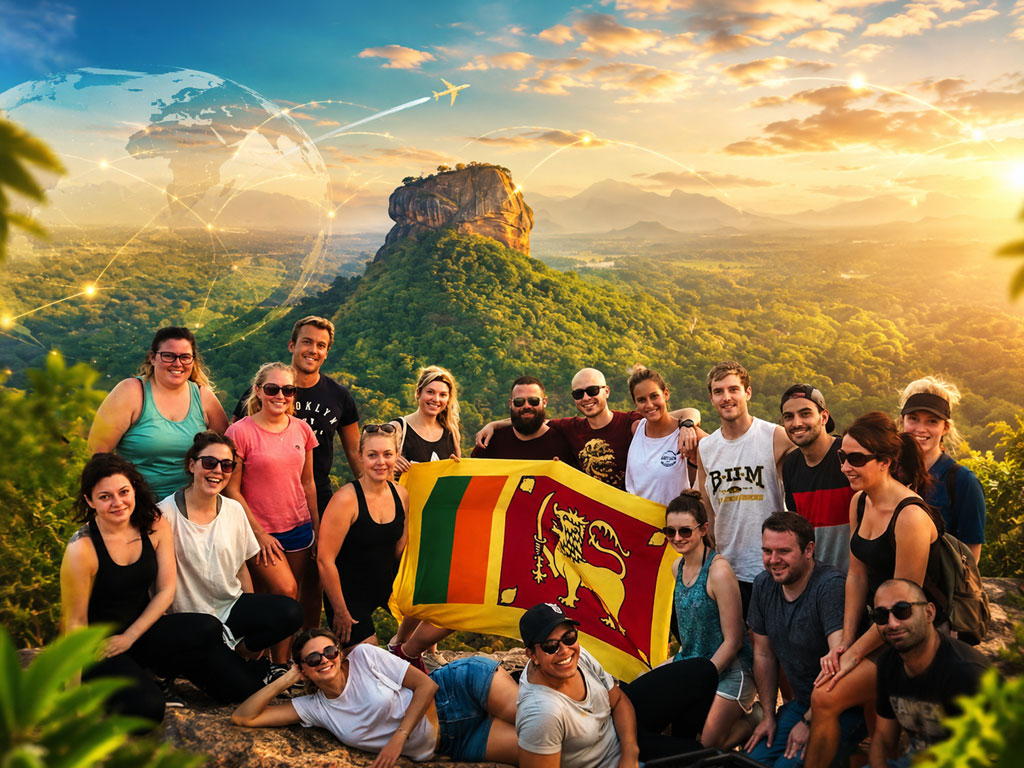
A new Sri Lanka tourism campaign backed by Rs. 1.5 billion has been launched to increase visitor spending as well as the number of foreign arrivals.
The interim promotion programme will operate until April 2027 and target six major tourism markets. They are Australia, the United Kingdom, Germany, India, China and Russia.
Authorities designed the campaign as a precursor to a larger global branding initiative planned for the first quarter of next year. That project is expected to receive approximately Rs. 5 billion.

Sri Lanka Tourism Campaign Targets Higher Revenue
Sri Lanka earned USD 3.2 billion from 2.36 million tourists who visited the country last year.
Authorities now expect arrivals to rise to 2.7 million this year, while revenue is projected to reach USD 4.2 billion.
Tourist arrivals are expected to exceed 3 million next year. The longer-term target is to increase annual tourism earnings to USD 10 billion by 2030.
However, industry experts stress that higher visitor numbers alone will not automatically deliver the required increase in revenue.
Sri Lanka Tourism Promotion Bureau Chairman Buddhika Hewawasam said the country must encourage tourists to stay longer and spend more each day.
He also stressed the importance of directing travellers beyond traditional tourism zones if Sri Lanka is to achieve its revenue ambitions.
Seven Tourism Segments Take Centre Stage
The new promotion strategy focuses on seven main tourism segments.
They include leisure travel, cultural heritage, natural beauty, adventure experiences, wellness tourism, luxury experiences and MICE tourism.
MICE covers Meetings, Incentives, Conferences and Exhibitions.
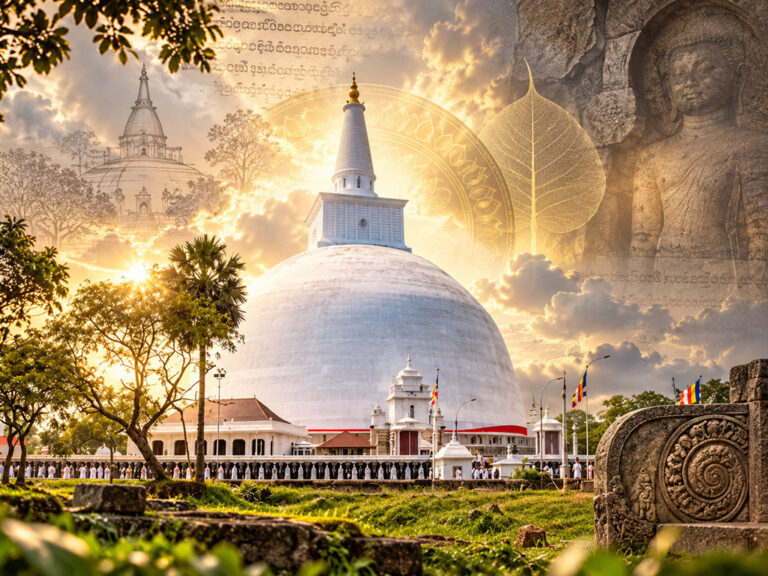
Authorities also plan to develop diving, Ayurveda, wedding and spiritual tourism as specialised sectors.
Deputy Minister of Tourism Professor Ruwan Ranasinghe said international marketing must match the facilities and services Sri Lanka can realistically deliver.
He warned that promotional promises which cannot be fulfilled could damage visitor confidence.
The strategy therefore aims to balance ambitious marketing with practical service capacity.
Digital Platforms and Airlines Join the Push
The Sri Lanka tourism campaign will also rely heavily on digital technology.
Authorities plan to increase the international visibility of destinations through Meta, Google, TikTok and AI-based tourism tools.
At the same time, joint promotional initiatives and discussions continue with major airlines.
These include Emirates, IndiGo, Turkish Airlines and Qatar Airways.
The objective is to increase seat capacity and flight frequencies alongside the marketing campaign.
Tourism Spending to Reach Regional Economies
The programme also aims to spread tourism income beyond hotels and established destinations.
Digital payment networks are being expanded through LankaPay and the domestic banking system.
This is intended to make it easier for tourists to spend directly with regional businesses, entrepreneurs and small and medium-scale traders.
Authorities also plan to involve 100 local content creators in promoting lesser-known destinations.
The initiative will focus particularly on locations in the Northern, Eastern, North Central and Uva Provinces.
Digital data analytics dashboards will track the effectiveness of the Rs. 1.5 billion investment.
Officials plan to continuously review and adjust promotional strategies based on the results.
Ultimately, the campaign is designed around a broader shift in tourism policy. The target is not simply to attract more visitors, but to increase how long they stay, how much they spend and how widely that income reaches across Sri Lanka.