By Roy Denish.
Sri Lanka air pollution is linked to 7,000 deaths yearly, with dangerous indoor smoke putting women and poorer households at growing risk.
Sri Lanka air pollution is linked to an estimated 7,000 deaths each year, health officials said Wednesday, exposing a deepening public health crisis that experts say needs more than warnings.
At a briefing at the Health Promotion Bureau, Dr. Chandani Vithana, Director of Environmental and Occupational Health at the Ministry of Health, highlighted the danger from toxic fine particulate matter. She linked exposure to rising respiratory disease, strokes, and heart attacks across the country.
However, the ministry’s findings also point to a major and often overlooked threat: indoor air quality.

Sri Lanka Air Pollution is also a Household Threat
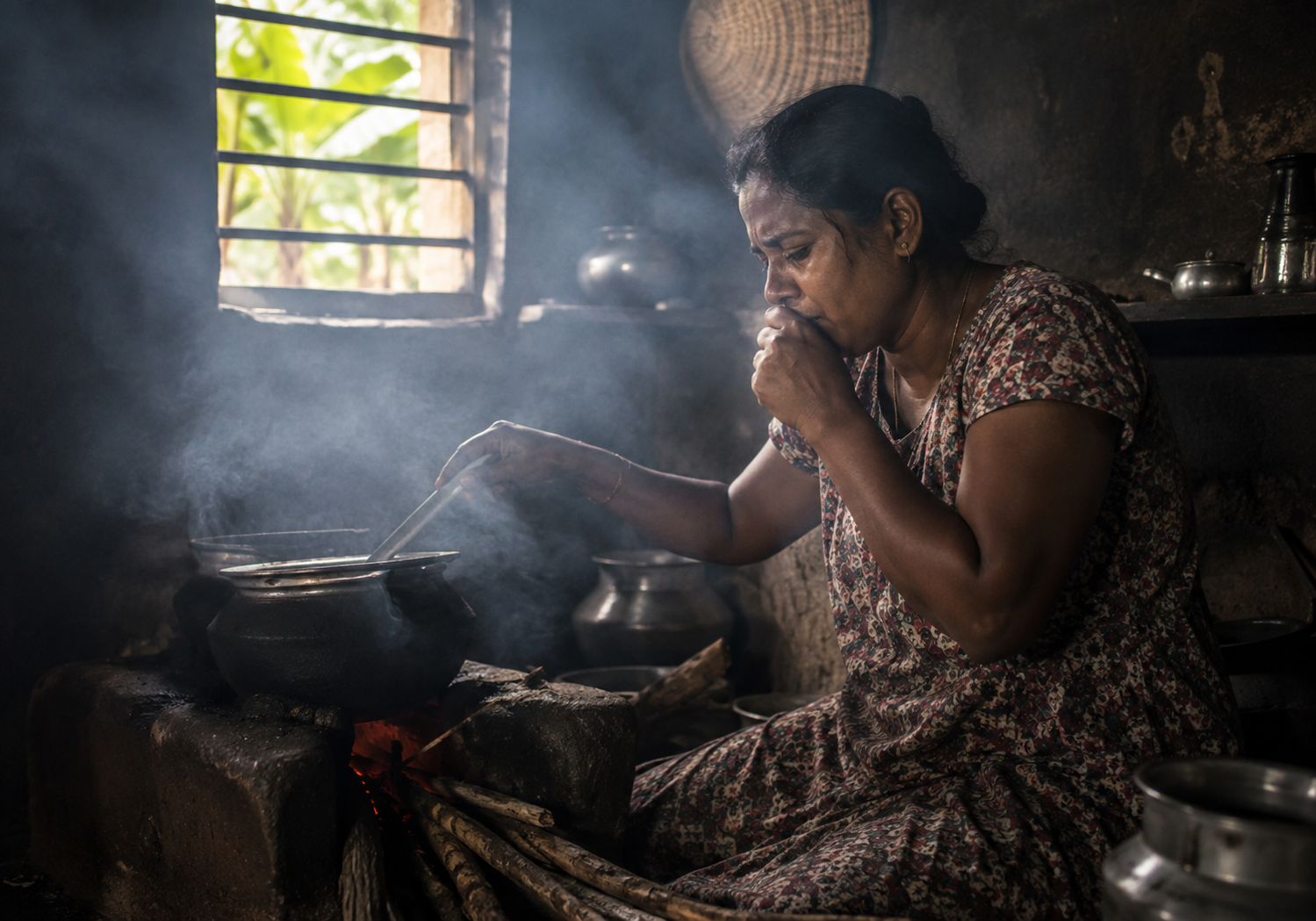
Vithana said air pollution inside Sri Lankan homes can be up to five times higher than outdoor levels. A major cause is the widespread use of biomass fuels, including firewood, and kerosene stoves in poorly ventilated traditional kitchens.
“Because harmful smoke released when burning firewood cannot escape, it remains trapped indoors, disproportionately affecting women,” Vithana said.
She also pointed to a troubling trend. Lung cancer rates are rising among non-smoking women, mirroring historical patterns previously associated with male smokers.
Globally, ambient and household air pollution causes between 7 million and 8 million premature deaths each year, according to World Health Organization estimates.
The Ministry of Health has urged people to avoid using kerosene stoves in enclosed spaces. However, public health advocates argue that individual advice cannot solve a broader socio-economic problem.
For millions of rural and lower-income Sri Lankans still facing economic hardship, cleaner alternatives such as liquefied petroleum gas, or LPG, and electric induction stoves remain unaffordable luxuries. Asking vulnerable households to abandon firewood or kerosene without subsidised clean-energy options or improved biomass stove technology leaves the underlying problem unresolved.
Health experts warn that Sri Lanka’s annual toll could keep rising without targeted state subsidies for clean cooking technology, better rural housing ventilation standards, and stricter enforcement of vehicular and industrial emission controls.