by Dwayne Ferreira
US-Iran oil tensions push Brent above $91 as fading peace hopes and Strait of Hormuz disruptions raise fresh global supply concerns.
US-Iran oil tensions pushed crude prices higher on Tuesday as fading hopes of a peace agreement renewed fears over Middle Eastern energy supplies.
Brent crude gained 62 cents to around $91.49 a barrel, while US West Texas Intermediate crude rose 75 cents to approximately $85.25 a barrel. Both benchmarks reached their highest levels since the end of July.
The latest increase came as investors reassessed the chances of a diplomatic breakthrough between Washington and Tehran.
Iran has indicated that it will adopt a “fully offensive” military posture after efforts to reach a permanent end to the conflict stalled. Meanwhile, the United States has ruled out extending the existing temporary ceasefire arrangement.
Strait of Hormuz Remains the Main Risk
The Strait of Hormuz remains at the centre of global oil market concerns.
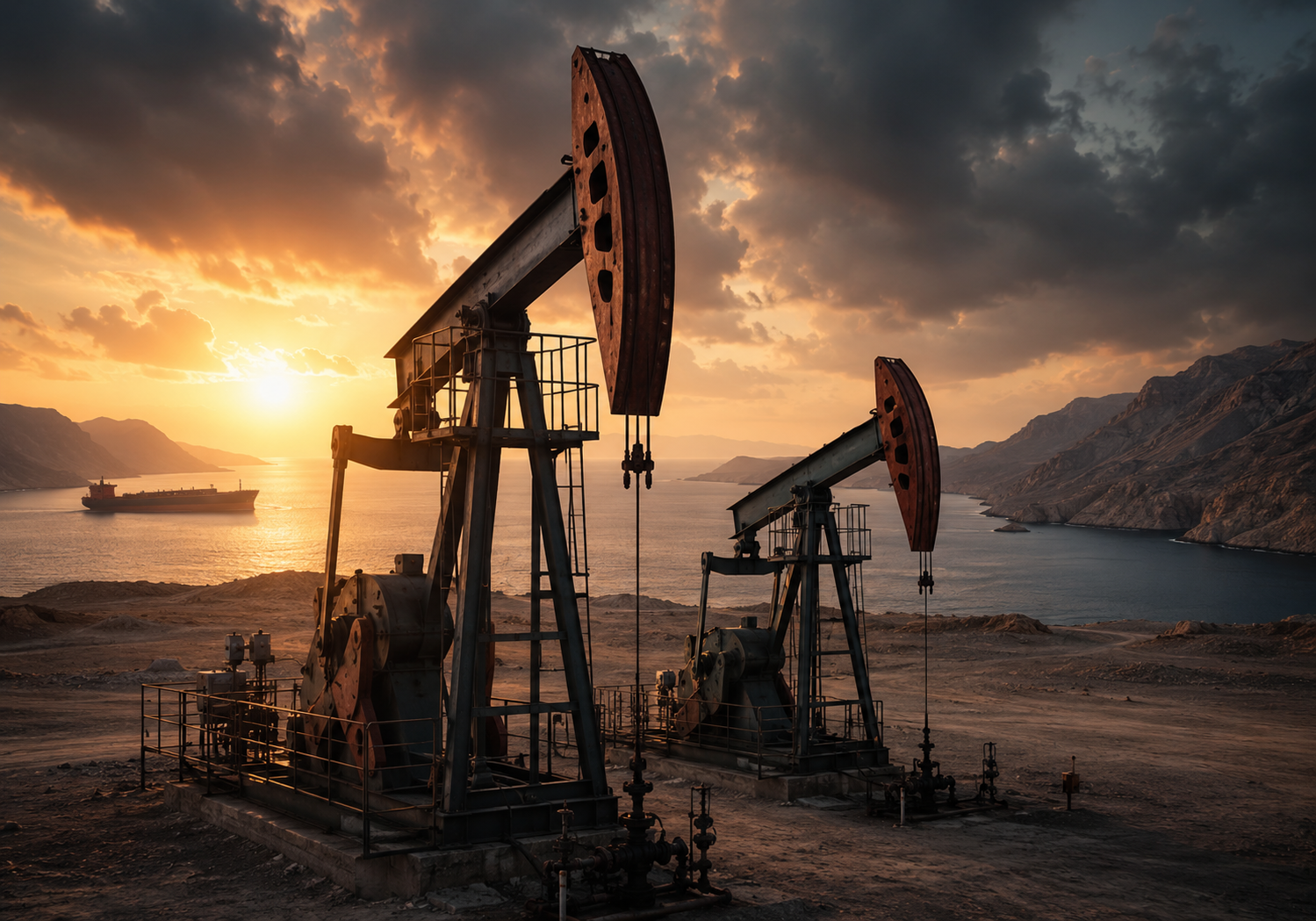
The conflict has severely disrupted tanker movements through the waterway. A vessel travelling from the strait was recently struck by a projectile, while tanker traffic has fallen sharply compared with normal conditions.
Any prolonged restriction on oil moving from the Gulf could increase fears about global supply.

Iran has also been holding discussions with Oman over arrangements surrounding shipping through Hormuz. However, tensions with Washington have weakened expectations that normal commercial traffic will resume quickly.
Only weeks ago, improving relations between Iran and the United States pushed oil lower as traders hoped for a peace agreement. That optimism is now fading.
Higher Oil Prices Could Hit the Wider Economy
The impact could extend well beyond energy markets.
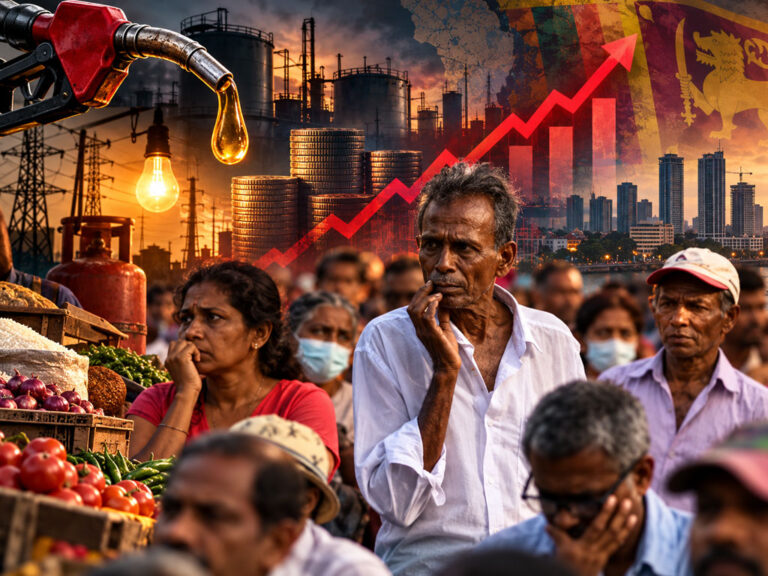
Higher crude prices can eventually increase petrol and diesel costs while raising expenses for airlines, shipping companies, manufacturers and transport-dependent businesses.
Those higher costs can also feed into consumer prices and make inflation harder for central banks to control.
Oil-importing economies face additional pressure because more expensive crude requires greater foreign-currency spending to buy the same amount of fuel.
That can weaken trade balances and place pressure on foreign-exchange reserves.
Markets are therefore watching Washington and Tehran closely.
As long as the Strait of Hormuz remains disrupted and hopes for a lasting settlement remain weak, traders are likely to keep adding a geopolitical risk premium to oil.
If diplomacy worsens further, Brent’s move above $91 a barrel could mark another stage in a highly volatile year for global energy markets.